Have you ever stumbled upon a half-buried squeaky toy in your garden or found a beloved chew toy mysteriously tucked under the couch? You might wonder why your dog goes to such lengths to stash away their prized possessions.
It’s a curious behavior that many dog owners observe but few truly understand. The answer goes beyond simple play or mischief—it’s deeply rooted in instincts and emotions that have been honed over thousands of years. What if understanding this behavior could unlock a deeper bond with your furry friend?
Dive into this article to uncover the fascinating reasons behind why dogs hide their toys and discover what it reveals about their unique personalities. Get ready to see your pet’s playful antics in a whole new light.
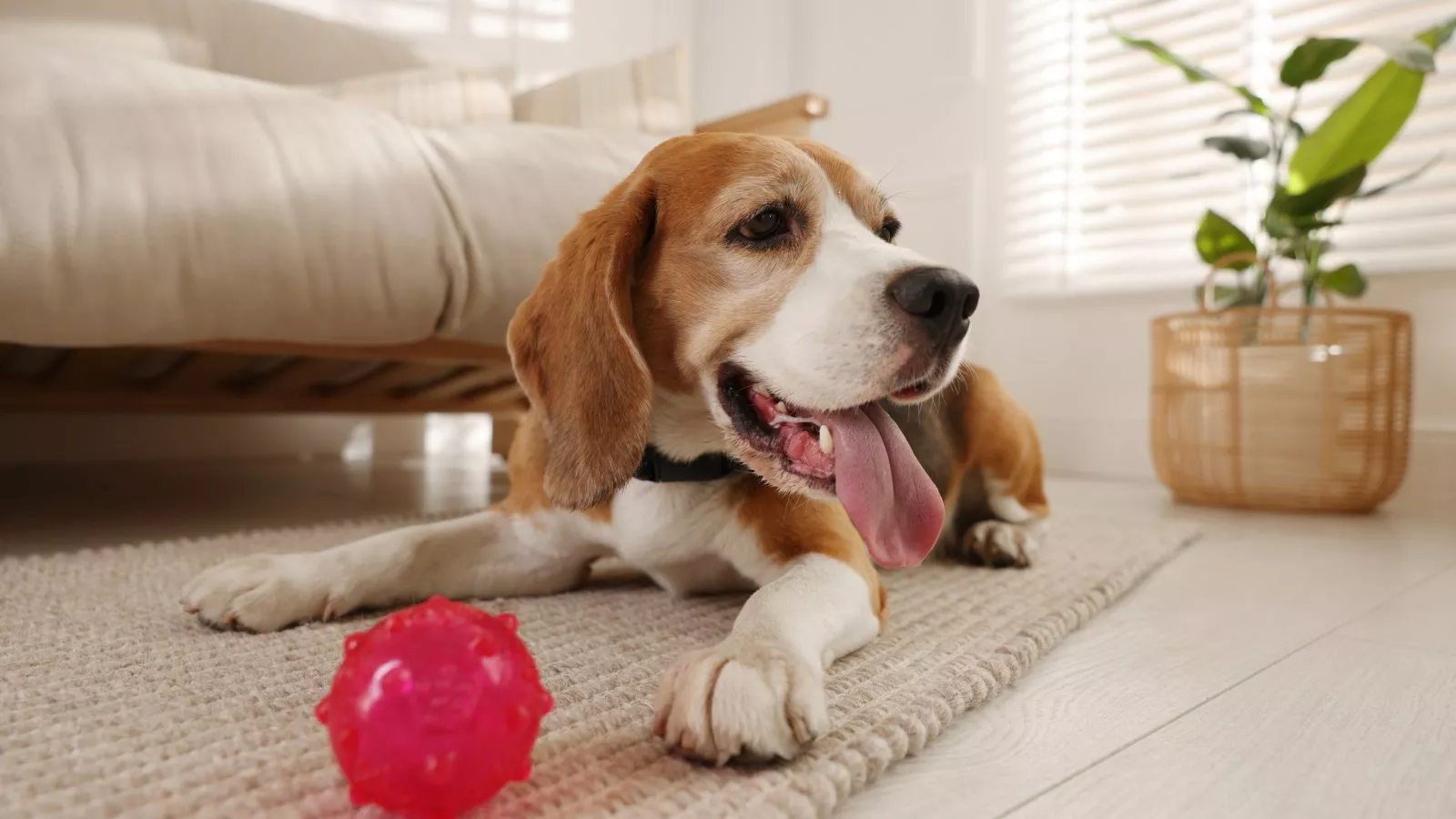
Credit: www.newsweek.com
Instinctive Behavior
Dogs often exhibit quirky behaviors that leave us scratching our heads, one of which is hiding their toys. This behavior is deeply rooted in their instinctive nature, driven by survival and hoarding tendencies. Understanding these instincts can provide insight into why your furry friend might stash their favorite ball under the couch.
Survival Instincts
Dogs are descendants of wild animals who had to protect their resources to survive. In the wild, hiding food or valuable items was crucial to ensure they had enough to eat. Your dog might be channeling this survival instinct when they tuck away their toys. It’s a way of safeguarding their possessions, just as their ancestors did with food. Do you notice your dog hiding toys more often when there’s a new pet or person around? This could be a protective measure, ensuring their treasures are safe from potential competition.
Hoarding Tendencies
Some dogs have a natural tendency to hoard, akin to storing treasures for future playtime. This behavior can be quite endearing and is sometimes seen in more timid dogs. It’s as if they’re creating a secret stash, just waiting for the perfect moment to reveal it. You might even find toys hidden in unusual places like under pillows or inside shoes. Does your dog have a favorite hiding spot? Observing where they hide toys can offer clues about their personality and sense of security. Encouraging them to retrieve hidden toys can also be a playful bonding experience.
Territorial Nature
Dogs often hide their toys to protect them. This behavior shows their territorial nature. Keeping toys safe is a dog’s instinct.
Dogs have a unique way of expressing their territorial instincts, and hiding toys is one of them. This behavior might seem puzzling at first, but it taps into their natural instincts. Dogs, much like their wild ancestors, have a strong territorial nature, which influences many of their actions.Marking Territory
When dogs hide their toys, they are essentially marking their territory. This act is akin to saying, “This is mine, and it’s safe here.” Just as dogs might mark their space with scent, hiding toys is another way they claim ownership over their environment. Have you ever noticed your dog hiding its favorite squeaky toy in a particular corner? This spot isn’t chosen at random. It’s a safe haven where they feel secure, and storing their prized possessions there reinforces their sense of control.Protecting Possessions
Hiding toys also serves as a way for dogs to protect their possessions. In the wild, safeguarding resources is a survival tactic. Although domesticated, your dog might still feel the urge to protect its valuables. Imagine your dog has a favorite ball. If another pet or a curious child tries to play with it, your dog might instinctively hide it. This isn’t just about play; it’s about ensuring that their belongings remain theirs. Do you have multiple dogs at home? You might notice one hiding toys more frequently. This behavior is often a result of wanting to keep their toys safe from the others. By understanding this, you can create an environment where each dog feels secure, minimizing conflict and promoting harmony.Emotional Factors
Dogs hide their toys due to emotional factors like insecurity or attachment. This behavior offers comfort and a sense of security. Instincts may drive them to protect valued items, similar to wild ancestors safeguarding food.
Dogs often exhibit intriguing behaviors that leave us curious. Hiding toys is one such behavior. Emotional factors play a significant role in this behavior. Dogs, like humans, experience a range of emotions. These emotions can influence their actions. Understanding these emotional factors can help us connect with them better.Anxiety And Stress
Dogs may hide toys due to anxiety. Changes in their environment can trigger stress. Loud noises or new faces can make them uneasy. Hiding toys becomes a coping mechanism. It helps them feel secure in their surroundings. Stress can also arise from separation. A toy hidden away may remind them of safety and familiarity. This act is their way of self-soothing in stressful times.Seeking Comfort
Dogs find comfort in their belongings. Toys often hold sentimental value. They may hide them to keep them close. A favorite toy offers reassurance and warmth. This behavior is similar to humans holding onto keepsakes. Dogs may seek comfort when feeling lonely. By hiding toys, they create a comforting environment. It brings them solace in moments of solitude.Play And Entertainment
Dogs have a natural inclination for play and entertainment, which is why you often find them hiding their toys. This behavior isn’t just adorable; it’s a crucial part of their overall well-being. By understanding the reasons behind this playful activity, you can enhance your dog’s happiness and mental health.
Engaging Games
Engaging your dog in fun games is a fantastic way to bond and keep them entertained. Fetch, tug-of-war, or hide and seek with toys can turn an ordinary day into an exciting adventure. When dogs hide their toys, they’re often inviting you to join in their playful world, creating an opportunity for interactive games.
Have you ever noticed your dog burying a toy and then eagerly waiting for you to find it? This is their way of sparking a game of discovery. Encourage this by participating in the game, making it a shared experience that strengthens your relationship.
Mental Stimulation
Hiding toys serves as a mental exercise for dogs, keeping their minds sharp and engaged. When they hide or search for toys, they are problem-solving, which is as important for their mental health as physical exercise is for their body. This simple act can prevent boredom and reduce stress.
Consider the excitement on your dog’s face when they find a toy you’ve hidden. This joy comes from the mental stimulation and sense of accomplishment they feel. You can enhance this by occasionally rotating their toys or adding new ones to keep things interesting.
Think about how you can create more mentally stimulating activities for your dog at home. Are there new hiding spots you haven’t tried yet? By actively participating in your dog’s playtime, you encourage a healthy and happy lifestyle for your furry friend.
Human Influence
Dogs often mimic behaviors they observe from their human companions. This influence plays a key role in why dogs may hide their toys. Understanding this behavior can strengthen the bond between you and your furry friend.
Learned Behaviors
Dogs watch and learn from their owners. They may see you hide things and mimic this action. It’s a natural instinct to imitate behaviors that seem important. For some dogs, hiding toys becomes a learned habit.
Over time, these actions become ingrained. Dogs enjoy creating their own little treasure hunts. They observe how humans organize and store items. This observation leads to playful mimicry.
Owner Interactions
Interactions with owners shape a dog’s toy-hiding behavior. If you frequently play hide and seek with toys, your dog learns this game. Dogs thrive on these playful exchanges. They enjoy the mental challenge of searching for hidden objects.
Some owners encourage this behavior by rewarding their dogs. Praise and treats reinforce the habit of hiding toys. Dogs quickly learn that hiding toys brings positive attention.

Credit: www.tiktok.com
Breed-specific Traits
Dogs often hide their toys, and breed-specific traits play a big role. Certain breeds have instincts that make them more likely to stash toys. Understanding these traits can help you see why your dog hides their toys.
Natural Predispositions
Some breeds have a natural urge to hoard. This is due to their history and instinct. Breeds like terriers and retrievers have strong hunting instincts. They may hide toys as if they are prey. This behavior is not about hiding; it’s about their nature.
Examples Of Breeds
- Terriers:These dogs love digging and hiding. Their history of hunting small animals makes them hide toys.
- Retrievers:They are known for fetching and carrying. They often hide toys as part of their retrieving instinct.
- Dachshunds:Bred to hunt, they tend to bury toys. This is similar to how they would hide prey in the wild.
Addressing The Behavior
Addressing the behavior of dogs hiding their toys can be both fascinating and rewarding. Understanding why your furry friend chooses to stash their favorite playthings is the first step in helping them develop healthier habits. By observing and training, you can guide your dog to express their instincts in positive ways.
Training Techniques
Training your dog to manage their toy-hiding behavior involves patience and consistency. Begin by encouraging them to engage with their toys in a supervised environment. You might notice your dog prefers a particular spot to hide their toys—use this to your advantage. Place their toys in open areas and reward them when they play without hiding them. Consistent reinforcement can gradually shift their behavior.
Consider using a simple command like “leave it” to help them understand when it’s time to stop hiding toys. Practice this command regularly during playtime, and offer treats or praise when they comply. This builds a positive association with leaving toys out in the open.
Encouraging Positive Habits
Encouraging positive habits can turn toy-hiding into a fun and interactive experience. Create a designated toy area where your dog can freely access and store their toys. This gives them a safe space to satisfy their nesting instincts without disrupting other areas of your home.
Interactive toys can also divert attention away from hiding behavior. Toys that dispense treats or make sounds can keep your dog engaged and reduce the urge to hide them. Rotate their toys regularly to keep their interest alive and prevent boredom.
Have you ever noticed how your dog’s behavior changes with new toys or environments? Use this insight to tailor your approach. Sometimes, a simple change in routine can make all the difference. Remember, the goal is to nurture your dog’s natural instincts while promoting a balanced lifestyle.
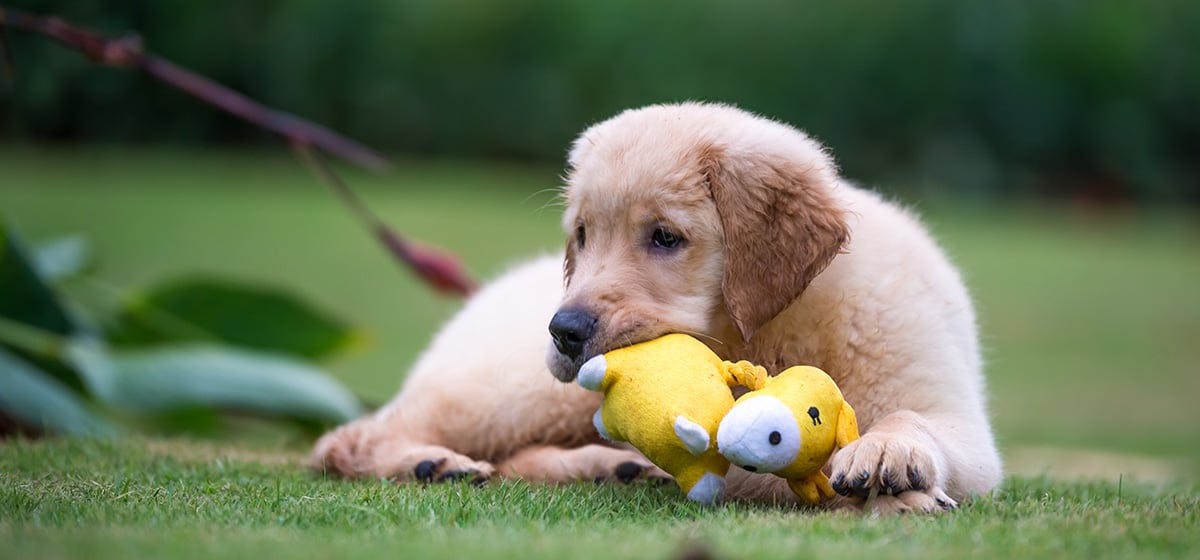
Credit: wagwalking.com
Frequently Asked Questions
Why Do Dogs Bury Their Toys?
Dogs bury toys due to instinctual behavior inherited from their wild ancestors. In the wild, burying food ensured a future meal. This behavior now translates to toy hiding, as dogs seek to “protect” their prized possessions. It’s a natural trait, reflecting their survival instincts and a desire to safeguard valued items.
Do All Dogs Hide Their Toys?
Not all dogs hide their toys. Some breeds, particularly those with strong predatory instincts, may do so more frequently. Others might not exhibit this behavior at all. It depends on individual temperament, breed traits, and upbringing. Observing your dog’s behavior can provide insights into their unique habits and instincts.
Is Hiding Toys A Sign Of Stress?
Hiding toys can indicate stress or anxiety in dogs. When stressed, dogs may seek comfort by hiding things they value. This behavior can also stem from territorial instincts. If your dog’s toy hiding is excessive, consider evaluating their environment or routine for potential stressors and consult a veterinarian if needed.
How Can I Stop My Dog From Hiding Toys?
To discourage toy hiding, provide plenty of mental and physical stimulation. Engage your dog with interactive play and training sessions. Ensure they have a secure environment, reducing the need to hide toys. If the behavior persists, consult a professional trainer or veterinarian for guidance tailored to your dog’s needs.
Conclusion
Dogs hide their toys for many reasons. It’s a playful act showing their natural instincts. They might feel the need to protect their belongings. Sometimes, it’s just a fun game for them. They enjoy the thrill of finding the hidden toys later.
This behavior can also be linked to their past as hunters. Observing your dog can help you understand their unique habits. Knowing these reasons strengthens your bond. It’s a delightful part of having a furry friend. Cherish these moments with your dog.
They add joy to everyday life.