Ever wonder why your dog can’t seem to get enough of their cuddly toys? You might think it’s just a cute habit, but there’s actually more to it.
Dogs have a fascinating relationship with their toys, and understanding this can open up a whole new way of bonding with your furry friend. Imagine the joy of knowing exactly why your dog treasures that plush toy, or why they carry it around like a prized possession.
By the end of this article, you’ll have a deeper insight into your dog’s playful behaviors and know how to make their playtime even more rewarding. Curious to discover what makes your dog tick? Let’s dive into the world of cuddly toys and canine delight.
Credit: worldanimalfoundation.org
Instinctual Behavior
Dogs and their cuddly toys—what a curious combination! Have you ever wondered why your furry friend seems so attached to their plush companions? It’s not just about comfort. Dogs’ attraction to cuddly toys is deeply rooted in their instinctual behavior, a blend of their natural prey drive and nurturing instincts.
Natural Prey Drive
Dogs are descendants of wild predators. Even the most domesticated pooch has a lingering prey drive. This instinct is why they love to chase, chew, and shake their toys. Does your dog ever grab a stuffed toy and give it a vigorous shake? That’s their prey drive at work. It mimics the instinctual behavior of shaking prey to subdue it. Stuffed toys often resemble small animals, which can trigger this natural hunting behavior. It’s a safe and playful way for dogs to express these ancient instincts. Next time you see your dog in action, appreciate their inner hunter!
Nurturing Instincts
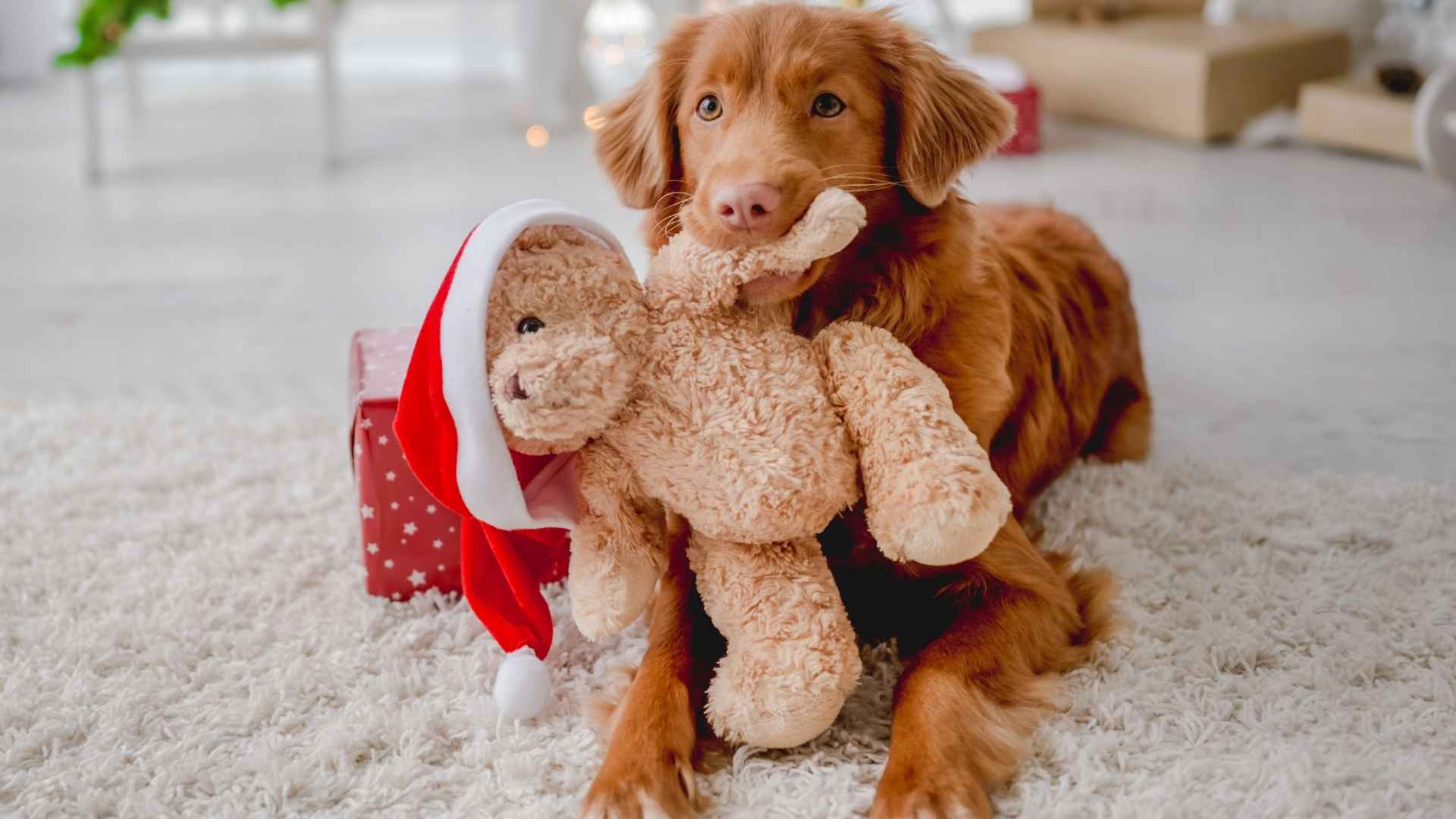
Beyond hunting, dogs also have nurturing instincts. Many dogs treat their cuddly toys like puppies. They carry them gently, groom them, or even sleep with them nestled close. Have you seen a dog mother her toy? It’s a heartwarming sight that speaks volumes about their caring nature. This behavior can be especially prominent in female dogs, but any dog might show these nurturing tendencies. Cuddly toys offer dogs a sense of companionship. They become more than just toys; they are part of your dog’s little pack, providing comfort and security.
So, next time your dog is cuddling up to their favorite plushie, consider the fascinating blend of instincts at play. It’s more than just playtime; it’s a window into the complex world of canine behavior. What do your dog’s interactions with their toys reveal about their personality?

Credit: officialfloppyfish.com
Emotional Connection
Dogs have a strong emotional connection with their cuddly toys. These toys are not just playthings. They hold significant meaning for our furry friends. Dogs often see these toys as companions. This bond brings them immense joy and comfort.
Security And Comfort
Cuddly toys offer a sense of security. Dogs feel safe with them around. The soft texture reminds them of warmth. Like the presence of their mother. This feeling of comfort is vital. Especially when they are alone.
Cuddly toys can ease fears. Many dogs find solace hugging them. This creates a secure environment. It helps them feel less vulnerable. Thus, reducing their anxiety.
Stress Relief
Stress can affect dogs too. Cuddly toys help alleviate this. Chewing or snuggling with a toy can calm nerves. It provides a distraction from stressful situations.
Dogs often use toys to manage stress. They release pent-up energy by playing. This process is therapeutic for them. It helps maintain their mental well-being. A happy dog is a healthy dog.
Physical Interaction
Dogs have a natural affinity for cuddly toys. These toys offer them physical interaction, which is essential for their well-being. Physical interaction with these toys provides dogs with comfort and engagement. It helps them explore their environment and satisfy their instinctual needs.
Tactile Stimulation
Cuddly toys offer unique textures. Dogs love the feel of soft and plush materials. These textures stimulate their senses, providing a tactile experience. The toys mimic the sensation of fur and skin. This simulates interaction with other animals. It satisfies their need for touch and comfort.
Exercise And Play
Physical interaction with toys encourages exercise. Dogs engage in playful activities with their toys. They can chew, chase, and pounce on them. This helps them burn energy and stay active. It prevents boredom and reduces anxiety. Playtime with toys is vital for their physical health.
Social Bonding
Dogs have an innate need for social bonding, which is one reason they cherish cuddly toys. These toys often become a substitute for companionship, providing comfort and security. Whether it’s a plush teddy bear or a squeaky toy, these items play a pivotal role in their emotional well-being.
Pack Dynamics
Dogs are pack animals by nature. In the wild, pack members stick together for survival, comfort, and companionship. Cuddly toys can mimic this pack dynamic, giving your dog a sense of belonging and security. Have you ever noticed your dog carrying their toy around the house, almost like a member of the family? This behavior is a testament to their instinctive need to form bonds.
It’s fascinating how these toys fill a void, especially when other pack members aren’t around. Next time you see your dog snuggled up with their favorite toy, consider how this simple act fulfills their innate desire for connection.
Owner-dog Relationship
The bond between a dog and their owner is unique and profound. Cuddly toys can strengthen this relationship by acting as a shared interest. When you play with your dog’s toys, you’re not just entertaining them; you’re building trust and affection. This interaction reinforces the emotional tie between you and your furry friend.
Sometimes, dogs will bring their toy to you, inviting you to join their world. This gesture signifies trust and an eagerness to share joy. Are you responding to these cues and nurturing this bond? Embrace these moments; they are golden opportunities to deepen your connection.
Toy Preferences
Understanding why dogs gravitate toward certain cuddly toys can be quite fascinating. It’s not just about the cuteness factor; dogs have distinct toy preferences that are influenced by various factors. Ever noticed how your dog always picks out that one squeaky toy or a plush doll? These preferences are shaped by texture, size, sound, and scent. Let’s dive into the specifics of what makes a toy irresistible to your furry friend.
Texture And Size
Dogs often have a fondness for toys with specific textures. Some might prefer the soft, plush feel of a stuffed animal, while others enjoy the chewable resistance of rubber toys. These textures can mimic natural prey, satisfying their instinctual need to bite and chew.
Size also plays a crucial role. Larger dogs might prefer bigger toys they can wrestle and carry around, while smaller breeds often opt for toys they can easily grip. Have you ever watched your Chihuahua struggle with a toy meant for a Great Dane? Size matters!
Sound And Scent
The sound of a toy can be a major attraction for dogs. Squeaky toys often mimic the noises of animals, triggering your dog’s hunting instincts. The excitement of hearing that squeak can turn playtime into an exhilarating chase.
Scent is another factor that influences toy preference. Some toys are designed to carry scents, whether it’s your smell or something appealing like bacon. This can make a toy feel familiar and comforting, or even mouth-watering. Consider how your dog reacts when you offer a toy that smells like their favorite treat.
Training And Development
Dogs often adore cuddly toys because they provide comfort and companionship. Soft textures mimic the warmth of their pack, offering a sense of security. These toys can also satisfy natural instincts to chew and play, keeping dogs engaged and happy.
Dogs and cuddly toys are a delightful combination that goes beyond mere companionship. These toys play a crucial role in a dog’s training and development, offering more than just comfort. They serve as valuable tools that aid in a dog’s mental and physical growth, enhancing their skills and overall well-being.Learning Through Play
Cuddly toys can transform playtime into a learning experience. When a dog engages with a toy, it’s not just about having fun; it’s about developing crucial skills. For instance, when your dog wrestles with a toy, they’re learning problem-solving skills. They’re figuring out how to manipulate it, which can translate to better behavior and adaptability in new situations. Toys also encourage exploration. A dog might discover new textures, sounds, and shapes, sharpening their cognitive abilities. Have you noticed your dog figuring out how to make a squeaky toy sound? That’s their curiosity and intelligence at work, driven by playful interaction.Behavioral Benefits
Cuddly toys can significantly improve a dog’s behavior. These toys provide a positive outlet for energy and stress. Chewing and playing can reduce anxiety, especially in puppies or dogs who struggle with separation anxiety. A well-used toy can prevent destructive behavior. Instead of chewing on your favorite shoes, a dog redirected to a toy learns appropriate ways to express their natural instincts. Moreover, cuddly toys can reinforce positive habits. By rewarding your dog with a toy after good behavior, you’re encouraging them to repeat those actions. This simple act can make training more effective and enjoyable for both you and your pet. Incorporating cuddly toys into your dog’s routine isn’t just about entertainment. It’s a powerful way to support their growth and happiness. What unique ways have you found to use toys in your dog’s training?Choosing Safe Toys
Choosing the right toy for your dog is crucial. Cuddly toys bring joy, but safety comes first. Dogs love to play and chew, so selecting safe toys is important. Let’s explore the key points to consider.
Material Considerations
Toy materials matter a lot. Opt for non-toxic, durable materials. Cotton and fleece are popular choices. They are soft and safe for chewing. Avoid toys with small parts. These can pose choking risks. Look for reinforced seams to prevent tearing. Durable toys last longer and keep dogs safe.
Avoiding Hazards
Check toys regularly for damage. Damaged toys can be dangerous. Remove any loose parts immediately. Avoid toys with strings or ribbons. They can cause choking or digestive issues. Supervise playtime to ensure safety. This prevents accidents and keeps your dog healthy.
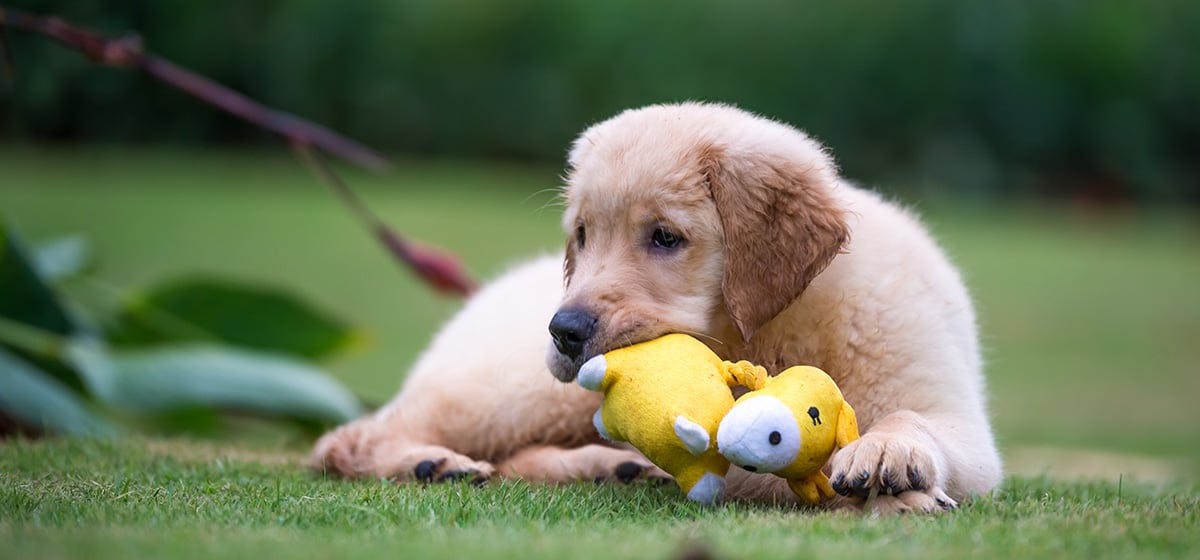
Credit: wagwalking.com
Frequently Asked Questions
Why Do Dogs Love Cuddly Toys?
Dogs love cuddly toys because they offer comfort and companionship. These toys mimic the warmth and softness of a littermate. They can also provide mental stimulation, helping alleviate boredom. For many dogs, cuddly toys can serve as a soothing tool during stressful situations.
Are Cuddly Toys Safe For Dogs?
Cuddly toys are generally safe for dogs, but choose durable ones. Ensure the toy doesn’t have small parts that can be swallowed. Regularly inspect for tears or wear to prevent choking hazards. Always supervise playtime to ensure your dog’s safety.
How Do Cuddly Toys Benefit Dogs Emotionally?
Cuddly toys benefit dogs by reducing stress and anxiety. They offer comfort similar to a security blanket. Dogs find solace in these toys during separation or changes in environment. Providing a cuddly toy can enhance a dog’s emotional well-being.
Can Cuddly Toys Replace Human Interaction?
Cuddly toys cannot replace human interaction, but they complement it. They provide comfort when humans aren’t available. However, dogs need social interaction for mental and emotional health. Balance cuddly toy use with regular play and bonding time with humans.
Conclusion
Dogs love cuddly toys for many reasons. These toys offer comfort and security. They help dogs feel safe and less lonely. Soft toys are great for chewing and playing. They mimic the feeling of a companion. This connection brings joy to dogs.
Owners often notice their dogs’ excitement with these toys. It’s a simple pleasure for them. Cuddly toys are more than just playthings. They are a source of happiness and emotional support. Dogs cherish these toys deeply. They become an essential part of their lives.
So, next time your dog snuggles a toy, know it’s special.