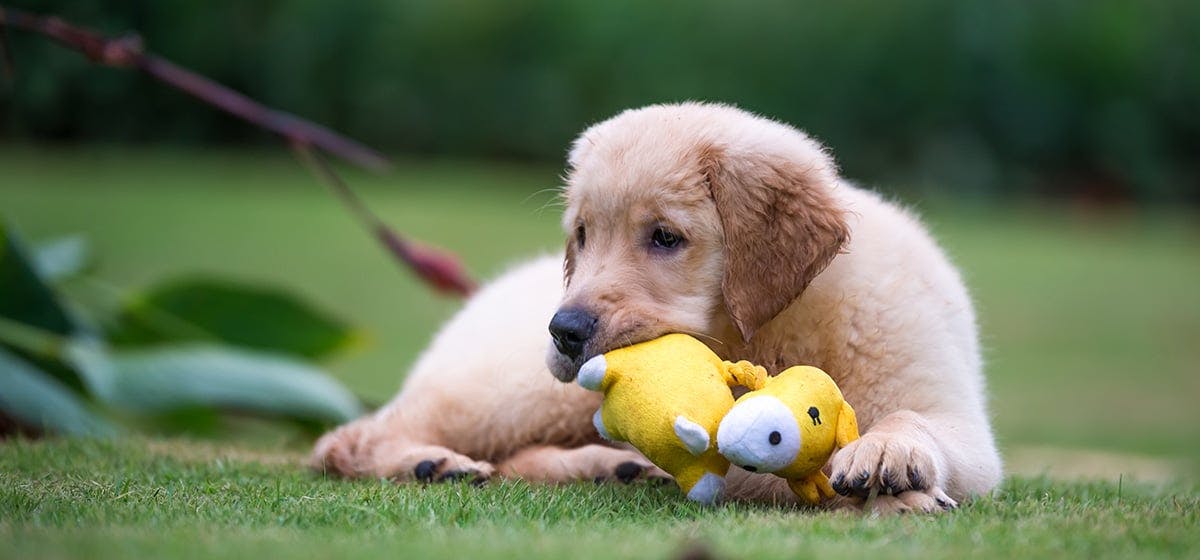
Why Do Dogs Like Stuffed Toys: Unraveling Their Fascination
Imagine walking into a room filled with toys. There’s a good chance your dog will make a beeline for the soft, plush stuffed ones.
Ever wonder why? You’re not alone. Many dog owners notice their furry friends’ fascination with these cuddly companions and find themselves asking the same question: “Why do dogs like stuffed toys? ” This isn’t just a random quirk. There’s a fascinating mix of reasons rooted in your dog’s instincts, emotions, and even their health.
Understanding this could change how you bond with your pet and even improve their well-being. By delving into this topic, you might uncover secrets to keeping your dog happier and healthier. So, let’s explore the world of stuffed toys and discover why they hold a special place in your dog’s heart.
Canine Instincts
Dogs have an innate fascination with stuffed toys, and it’s deeply rooted in their instincts. These instincts are a window into their behavior, revealing why your furry friend might be so attached to their plush companions. Understanding these instincts can enhance your bond with your dog and help you choose toys they’ll love.
Hunting And Prey Drive
At the heart of a dog’s love for stuffed toys is their hunting and prey drive. Dogs are descendants of wolves, natural hunters who chased and caught prey. When your dog shakes or chews a stuffed toy, they’re mimicking the motions of hunting.
Ever noticed how your dog might become particularly animated with a squeaky toy? The sound mimics the noise of small prey, triggering your dog’s natural instincts. It’s an exciting game for them, providing both physical and mental stimulation.
Comfort And Security
Stuffed toys can also serve as a source of comfort and security for dogs. Just like a child with a favorite teddy bear, dogs often seek out plush toys for companionship and reassurance. These toys can remind them of their puppyhood and the comfort of their littermates.
Consider how your dog might cuddle with their toy during naptime. It’s a sign that they find solace and peace in its presence. The soft texture and familiar scent of the toy can be incredibly soothing.
Have you ever noticed how your dog carries their stuffed toy around the house? This behavior can be likened to them taking a piece of their comfort zone with them. It’s a reminder that dogs, much like humans, have emotional needs tied to security and familiarity.

Credit: worldanimalfoundation.org
Behavioral Benefits
Stuffed toys are not just adorable playthings for dogs; they offer significant behavioral benefits that enhance your furry friend’s well-being. These plush companions contribute to mental stimulation and help alleviate boredom, making them essential tools for a happy and healthy canine life.
Mental Stimulation
Stuffed toys challenge your dog’s brain in delightful ways. When you watch your dog meticulously chew or tug on a toy, they are engaging their problem-solving skills. The texture and squeaks can trigger curiosity and exploration, keeping their minds active.
Have you noticed your dog tossing a toy in the air and catching it? This playful act is more than just fun—it’s a mental workout. Dogs love figuring out how to make a toy squeak or how to retrieve it from under the couch, which keeps their brains sharp.
What happens when your dog gets bored? Behavioral issues may start to emerge. A mentally stimulated dog is less likely to develop destructive habits. Providing varied toys can maintain their interest and improve cognitive skills.
Alleviating Boredom
Stuffed toys can be a lifesaver on days when you can’t take your dog for their usual walk. They offer a source of entertainment that can make indoor time more enjoyable for your pet. A few minutes of play with a favorite toy can distract them from long hours alone.
Imagine coming home to a happy dog rather than one that’s been chewing on furniture out of sheer boredom. Toys keep them occupied and prevent them from feeling lonely. A stuffed toy can be a comforting presence during your absence.
Do you ever wonder what your dog does when you’re not around? Providing them with stuffed toys ensures they have something to engage with. This can reduce anxiety and make them feel secure, knowing they have their favorite toy nearby.
Emotional Connections
Dogs often see stuffed toys as comforting companions. These toys mimic prey, triggering hunting instincts and providing mental stimulation. Soft textures offer a sense of security, helping dogs feel relaxed and content.
Dogs form deep emotional connections with stuffed toys. These fluffy companions offer a sense of security and comfort. For many dogs, stuffed toys become more than just playthings. They serve as emotional anchors in their lives.Companionship
Stuffed toys often become a dog’s best friend. Dogs may carry their favorite toy everywhere. This behavior shows a need for companionship. Toys can be a substitute for another animal. They fill the void when dogs are alone. Dogs find solace in their soft textures. The toys provide a tactile experience that dogs enjoy. Some even sleep with their toys for comfort.Stress Relief
Stuffed toys help dogs manage stress. Chewing or cuddling these toys can be soothing. This action releases pent-up energy. Dogs can feel calmer after interacting with their toys. It offers a healthy outlet for their emotions. A toy’s presence can reduce anxiety in stressful situations. Dogs might rely on them during thunderstorms or fireworks. The familiar scent of a toy can be reassuring. It acts as a calming agent when dogs face uncertainty.Developmental Stages
Dogs enjoy stuffed toys due to their nurturing instincts and playful nature. These toys often mimic prey, satisfying their hunting drive. Additionally, they provide comfort and companionship, which is especially appealing to dogs during different developmental stages.
Dogs are fascinating creatures with diverse interests. Stuffed toys hold a special place in their hearts. Understanding their love for these toys requires looking at developmental stages. From playful puppies to discerning adults, each stage influences their toy preferences.Puppy Play
Puppies are bundles of energy. They love exploring and learning. Stuffed toys provide a safe outlet for this curiosity. Soft and cuddly, these toys mimic comfort. Puppies often chew, tug, and cuddle them. This mimics interactions with their littermates. Stuffed toys help puppies develop motor skills. They improve coordination and build strength. Puppies feel safe and secure when playing. Toys offer companionship and reduce loneliness. During teething, they soothe sore gums. Chewing relieves discomfort and keeps them engaged.Adult Dog Preferences
As dogs grow, their preferences evolve. Adult dogs might seek different qualities in toys. They often prefer durable and interactive toys. Stuffed toys remain popular among many adults. They serve as comfort objects for many dogs. Some dogs carry them around like prized possessions. Others use them for fetch or tug-of-war. The softness of stuffed toys is appealing. It offers a comforting texture for chewing. Stuffed toys can also satisfy their prey drive. Shaking or tossing toys mimics hunting behaviors. For some dogs, these toys become stress relievers. They provide comfort during anxiety or loneliness.Safety Considerations
Ensuring your dog’s stuffed toy is safe involves checking for small parts that could be swallowed. Look for durable materials that withstand chewing and tugging. Regularly inspect toys for wear and tear to prevent choking hazards.
Dogs and stuffed toys are a match made in heaven, but not all toys are safe for your furry friend. It’s crucial to understand the safety considerations when choosing these toys. These considerations can make the difference between a happy playtime and an unexpected visit to the vet.Choosing Safe Toys
When selecting a stuffed toy, always prioritize durability. Look for toys made from non-toxic materials. Examine the toy for small parts that could be swallowed. Check for reinforced seams, as they prevent the toy from easily tearing apart. Consider the size of the toy in relation to your dog’s size. A toy that’s too small could be a choking hazard. You should also be aware of any stuffing materials. Some fillings can be harmful if ingested. Opt for toys with minimal or no stuffing to reduce risks.Supervised Playtime
Even with the safest toys, it’s wise to supervise your dog’s playtime. This allows you to intervene if the toy starts to break apart. It’s an opportunity to bond and play with your dog, enhancing their experience. Supervised play can help you gauge your dog’s interest in the toy. If they lose interest quickly, it might not be the right fit. Regularly check the toy for wear and tear, replacing it if necessary. Ask yourself: does your dog tend to destroy toys quickly? If so, more robust options might be necessary. Your vigilance ensures your pet’s safety and prolongs the life of their toys.
Credit: www.companionanimalpsychology.com
Types Of Stuffed Toys
Dogs enjoy stuffed toys for comfort and companionship. These toys mimic prey, triggering their natural instincts. Soft textures and varied shapes engage their senses, providing entertainment and mental stimulation.
Dogs have an undeniable affection for stuffed toys, and it’s not just about the cuddly factor. These toys come in various types, each offering unique benefits that cater to a dog’s playful instincts. Understanding the variety of stuffed toys can help you choose the perfect companion for your furry friend, enhancing their playtime and overall happiness.Variety Of Textures
Dogs are naturally curious creatures, and the textures of stuffed toys can intrigue and satisfy their sensory needs. Consider a toy with a soft, plush exterior combined with a tougher material like corduroy or denim. Such variations can provide a sensory feast for your dog, encouraging exploration. Different textures can also serve different purposes. A softer toy might be perfect for snuggling, while a more rugged surface may be ideal for dogs who enjoy chewing. Observing your dog’s preferences can lead to selecting a toy that keeps them engaged and entertained.Interactive Features
Stuffed toys that include interactive features can take playtime to a whole new level. Imagine your dog’s excitement with a toy that squeaks or makes crinkling sounds. These auditory elements can stimulate a dog’s natural hunting instincts, keeping them mentally active and engaged. Some toys come with hidden compartments for treats or are designed for tug-of-war games. Such features can not only provide entertainment but also foster a stronger bond between you and your dog as you play together. Engaging your dog with interactive toys can be a wonderful way to spend quality time and keep them physically and mentally stimulated. Choosing the right stuffed toy involves understanding your dog’s unique preferences and needs. Have you noticed your dog reacting differently to various textures or interactive elements? Exploring these options can lead to discovering a toy that truly captivates your furry friend.Training And Bonding
Dogs have a natural affinity for stuffed toys. These cuddly companions serve many purposes in a dog’s life. They are not just playthings; they are tools for training and bonding. These toys help in teaching commands and building trust. They create a connection between the pet and owner. Let’s explore how stuffed toys play a role in training and building stronger relationships.
Using Toys In Training
Stuffed toys can be effective training aids. They help in teaching basic commands like fetch or drop. Dogs learn to follow instructions with enthusiasm. Toys make training sessions fun and engaging. They hold the dog’s attention longer. Using toys, owners can reward good behavior. This encourages learning and obedience. Regular play with toys can improve a dog’s focus. It helps in reducing distractions during training.
Strengthening Owner-pet Relationships
Playing with stuffed toys strengthens the bond between dog and owner. Shared playtime creates happy memories. It builds trust and understanding. Dogs feel loved and secure. Owners get to know their pet’s personality better. Interactive play boosts communication between them. It helps in understanding each other’s needs. Through toys, owners can express affection and care. This results in a loyal and happy companion.

Credit: www.reddit.com
Frequently Asked Questions
Why Do Dogs Love Stuffed Toys?
Dogs love stuffed toys for their soft texture and comforting feel. They mimic prey animals, satisfying their natural hunting instincts. Additionally, stuffed toys offer companionship, reducing boredom and anxiety. Chewing on them can also help relieve stress and promote dental health.
Are Stuffed Toys Safe For Dogs?
Stuffed toys can be safe if chosen wisely. Ensure toys are durable and free from small detachable parts that dogs might swallow. Always supervise playtime to prevent choking hazards. Regularly check toys for wear and tear to ensure your dog’s safety.
How Do Stuffed Toys Help With Anxiety?
Stuffed toys can provide comfort to anxious dogs. They offer a sense of security, similar to a blanket for children. Chewing and cuddling these toys can reduce stress levels, providing mental stimulation and a distraction from anxiety triggers.
Can Stuffed Toys Improve Dog Behavior?
Stuffed toys can improve dog behavior by offering mental and physical stimulation. They engage dogs in play, reducing boredom and destructive habits. These toys can also help with training, encouraging positive behavior through reward-based activities.
Conclusion
Dogs love stuffed toys for many reasons. They comfort our furry friends. Toys help relieve stress and boredom. Dogs enjoy chewing, which strengthens their teeth. Playing with toys keeps dogs active and healthy. Soft toys can remind them of their mothers.
They mimic the feeling of cuddling with siblings. Each dog has its unique preferences. Some like squeaky sounds. Others prefer soft textures. Understanding your dog’s toy preference builds a stronger bond. Choose safe, durable toys for fun playtime. Keep your dog happy and entertained with the right stuffed toy.
Your pup will thank you with wagging tails and joyful barks.