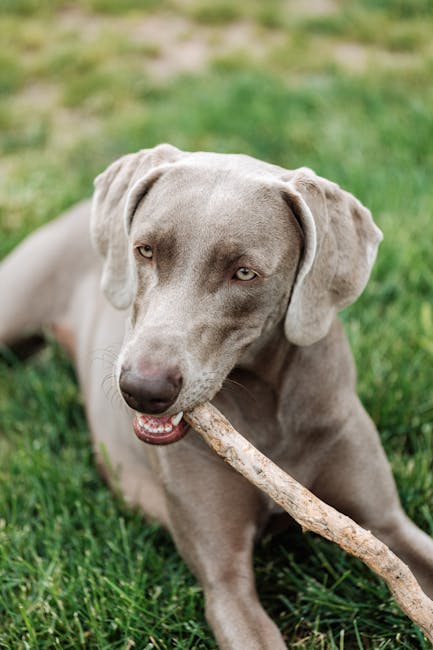
Why Does a Dog Bring You a Toy: Unraveling Canine Behavior
Imagine this: you walk through your front door after a long day, and your furry companion greets you with a wagging tail and their favorite toy in their mouth. Ever wondered why your dog does this?
You’re not alone. Many pet owners find themselves puzzled by this adorable behavior. Understanding why your dog brings you a toy can deepen the bond you share and even improve your pet’s happiness and well-being. We’ll explore the reasons behind this endearing habit and how it ties into your dog’s instincts and emotions.
Get ready to unlock the secrets of your pup’s playful mind, and discover how this simple act of sharing can reveal so much about their love for you. Dive in, and let’s unravel the mystery together!

Credit: www.youtube.com
Instinctual Drives
Dogs often bring you toys due to their instinctual drives. These drives are deeply rooted in their ancestry. They reflect behaviors necessary for survival. Understanding these instincts can help you bond with your dog. Let’s explore these instinctual behaviors.
Hunting And Retrieving Instincts
Dogs have a natural urge to hunt and retrieve. Their ancestors hunted in the wild for food. This instinct remains in domesticated dogs. Bringing a toy mimics catching prey. It’s a way to satisfy this ingrained behavior. Retrieving also provides mental and physical stimulation. It keeps your dog engaged and happy.
Pack Behavior And Sharing
Dogs are social animals. They thrive in pack environments. In a pack, sharing is common. Bringing you a toy is a form of sharing. It shows trust and affection. Your dog sees you as part of their pack. Sharing toys strengthens the bond with you. It reinforces their sense of belonging and loyalty.

Credit: www.instagram.com
Communication Signals
Dogs often bring toys to show affection or invite play. It’s their way of saying they trust you. This simple gesture strengthens your bond and communicates their happiness.
Dogs use various signals to communicate with their owners. Bringing a toy is a common behavior that conveys specific messages. Understanding these signals can enhance your relationship with your furry friend.Attention-seeking Behavior
Dogs often bring toys to get your attention. It’s their way of saying they want you to notice them. This behavior may occur when they feel neglected or want interaction. A dog might nudge the toy towards you, hoping for a response. The toy acts as a tool to capture your focus.Invitation To Play
A dog offering a toy is an invitation to join in a fun activity. Playtime is crucial for a dog’s mental and physical health. By bringing a toy, your dog is signaling a desire for a playful interaction. This act strengthens your bond and brings joy to both of you.Emotional Bonds
A dog bringing you a toy signifies affection and trust. This behavior strengthens emotional bonds between pet and owner. Sharing playtime fosters communication and deepens the connection, making both feel valued.
Dogs have a unique way of connecting with humans. Bringing you a toy is more than just play. It’s a sign of deep emotional bonds. Dogs express feelings through actions. Their gestures show affection and trust. Understanding these actions can strengthen your relationship with your pet.Expression Of Affection
A toy in your dog’s mouth is a gift. It’s their way of saying, “I love you.” Dogs often bring toys to their owners to show affection. They do this because they see you as part of their family. By sharing a toy, they share joy and happiness. They want to see you smile and feel loved.Trust And Security
Dogs feel safe when they’re with you. Bringing a toy means they trust you completely. It’s a sign of security in their environment. Your dog may offer you a toy to show they feel protected. They believe you provide safety and comfort. This gesture builds a strong bond between you and your dog.Learned Behaviors
Dogs often bring toys to their owners as a learned behavior, seeking interaction and play. This action strengthens bonds and provides mental stimulation. It’s a mix of instinct and training, as dogs enjoy pleasing their humans while enjoying shared activities.
Learned behaviors in dogs are fascinating and often offer insights into their charming personalities. These behaviors are not random; they are the result of experiences and interactions with you and their environment. Understanding why your dog brings you a toy can deepen your bond and enhance your communication.Positive Reinforcement
Dogs are incredibly perceptive and learn from the consequences of their actions. When your dog brings you a toy and you respond with excitement or playtime, they quickly learn that this behavior results in something enjoyable. Consider the last time your pup nudged a toy into your lap. You might have given a delighted laugh or tossed the toy for a game of fetch. This positive reinforcement encourages your dog to repeat the behavior. The next time your dog drops a slobbery toy at your feet, think about what you do next. Your reaction is a powerful tool that shapes their behavior.Imitation Of Human Actions
Dogs are keen observers and often imitate the actions of the people they love. If they see you picking up objects and interacting with them, they might mimic this by bringing you a toy. Have you ever noticed how your dog might “help” with chores? This imitation is a testament to their desire to be part of your world. When you engage in activities like cleaning or organizing, your dog might mirror this by fetching a toy and presenting it to you. It’s their way of participating and connecting with you in a meaningful way. By recognizing these learned behaviors, you can foster a more engaging and fulfilling relationship with your furry friend. How do you react when your dog brings you a toy? Your response could be shaping their actions in ways you might not realize.Toy Preferences
Dogs are fascinating creatures with unique ways of expressing their affection and desires. One intriguing behavior is when they bring you a toy, showcasing their preferences and personalities. Understanding toy preferences can deepen your connection with your furry friend and enhance your interactions.
Favorite Toys And Their Meanings
Have you ever noticed which toy your dog gravitates towards? Each toy tells a story about your dog’s personality. A squeaky toy might indicate your dog enjoys auditory stimulation and playful interaction. On the other hand, a soft plush toy could suggest a preference for comfort and a sense of security.
Observe your dog’s toy selection closely. Dogs may choose toys that remind them of past experiences or mimic their prey instinct. What does your dog’s favorite toy say about their inner world? Could it be a reflection of their mood or a hint at their desires?
Variations Across Dog Breeds
Different dog breeds often have varying toy preferences. A retriever might favor fetch toys, enjoying the chase and retrieval aspect, while a terrier might opt for chew toys due to their strong jaw and instinct to gnaw. Breed characteristics can influence these choices significantly.
Consider how your dog’s breed might affect their toy selection. Do larger breeds tend to prefer more durable toys, while smaller breeds lean towards those they can easily carry? Exploring these tendencies can help you choose the best toys for your pet’s enjoyment.
Next time your dog brings you a toy, think about what they’re trying to communicate. Toy preferences offer a window into their world, revealing much about their likes, habits, and even their mood. How can you use this insight to strengthen your bond and enhance their playtime experience?

Credit: www.reddit.com
Encouraging Healthy Interaction
Dogs bring toys to their owners for healthy interaction. This simple gesture can strengthen the bond between you and your furry friend. It encourages physical activity and mental stimulation. Both are crucial for a dog’s well-being. Such interactions also teach dogs social skills. They learn how to play and share. This can boost their confidence and reduce anxiety. Let’s explore how to make this interaction safe and balanced.
Choosing Safe Toys
Pick toys made from non-toxic materials. Ensure they are durable and suitable for your dog’s size. Avoid toys with small parts that can be swallowed. Inspect toys regularly for wear and tear. Replace damaged toys to prevent accidents. Offer a variety of toys to keep your dog engaged. Chew toys, balls, and ropes are popular choices.
Balancing Play And Rest
Dogs need both play and rest for a healthy lifestyle. Schedule regular play sessions to keep them active. Short, frequent playtimes are often better than long sessions. This prevents over-exhaustion and keeps your dog happy. Always allow time for rest after play. A tired dog needs quiet time to recover. Create a comfortable resting area with a soft bed. Ensure it’s in a quiet spot where your dog feels safe.
Frequently Asked Questions
Why Do Dogs Bring Toys To Their Owners?
Dogs bring toys to their owners as a form of social interaction. It can be a way to bond, play, or seek attention. This behavior is often driven by their instinct to share and engage with their human companions.
Is Bringing A Toy A Sign Of Affection?
Yes, when a dog brings you a toy, it often signifies affection. This behavior shows they trust you and enjoy your company. Sharing toys is a dog’s way of expressing love and wanting to spend time with you.
Do Dogs Bring Toys To Show Off?
Dogs may bring toys to show off their prized possessions. This behavior can be a way to gain approval or praise. They might seek validation from their owners by displaying their favorite toys.
Can Bringing Toys Indicate A Dog’s Need?
Yes, bringing toys can indicate a dog’s need for play or exercise. Dogs often use toys to communicate their desire for mental and physical stimulation. It’s a cue that they might want to engage in an activity with you.
Conclusion
Dogs bring toys for various reasons. It’s often a sign of affection. They may want to share their joy. Or simply invite you to play. This behavior strengthens your bond. Shows trust and companionship. Dogs communicate through actions. Bringing a toy is their language.
They express needs and emotions. Understanding this enriches your relationship. Makes interactions more meaningful. It’s their way of connecting. Engage with your dog regularly. Respond to their gestures. This enhances mutual understanding. Builds a loving environment. Every toy brought tells a story.
Listen and respond. Your dog appreciates the attention.


