Why Does My Dog Destroy His Toys: Unraveling the Mystery
Ever wondered why your dog’s toys seem to have a shorter lifespan than a bubble in the wind? If you find yourself constantly picking up shredded bits and pieces, you’re not alone.
Many dog owners share this puzzling experience. But what drives your furry friend to turn their toys into confetti? You’ll uncover the surprising reasons behind this common canine behavior. Get ready to delve into the mind of your playful pet and discover how understanding this habit can lead to a happier, more harmonious bond with your dog.
By the end, you’ll not only have answers but also practical solutions to keep those toys intact for longer. Keep reading to unlock the secrets behind your dog’s destructive playtime antics!
Natural Instincts
Dogs often destroy toys due to their natural instincts. Chewing helps them relieve stress and boredom. Toys also mimic prey, triggering their hunting behavior.
Dogs have a natural instinct to chew and tear apart objects, a behavior rooted deeply in their ancestry. This behavior is not just a whim but a fundamental part of their nature. Understanding these instincts can help us address the question: why does your dog destroy his toys?Understanding Predatory Behavior
Dogs are descendants of wolves, and this ancestry plays a significant role in their behavior. In the wild, wolves would hunt and tear apart prey. Your dog might be channeling this instinct when he enthusiastically rips into his plush toys.Exploring The Need For Mental Stimulation
Boredom can drive your dog to destroy his toys. Dogs need mental challenges to keep them engaged. Consider providing puzzle toys or toys that dispense treats to keep their minds active and satisfied.The Role Of Teething In Puppies
If your dog is a puppy, teething might be the culprit. Puppies experience discomfort as their new teeth come in. Chewing is a natural way for them to relieve this discomfort, and toys often bear the brunt of this behavior.Testing Their Environment
Dogs explore the world through their mouths. Chewing and tearing toys is a way for them to understand different textures and materials. This exploration is crucial for their development and can often lead to destroyed toys.Channeling Energy Effectively
High energy levels can lead to destructive behavior. Dogs need ample exercise to burn off excess energy. Regular playtime and walks can reduce the urge to destroy toys, leaving them more content and less destructive. Understanding your dog’s natural instincts can help you better cater to their needs, ensuring a happier and more harmonious relationship. Do you think your dog’s destructive behavior stems from one of these instincts? Addressing the root cause might just save the next toy from destruction!
Credit: www.tiktok.com
Exploring Boredom
Dogs are curious creatures. They need mental and physical stimulation. When they lack this, boredom sets in. Boredom can lead to destructive behavior. One common sign is tearing apart toys. Understanding this can help in managing your dog’s behavior.
Understanding Canine Boredom
Dogs are like children. They need attention and activities. Without them, they feel restless. This restlessness can make them chew and tear toys. It’s their way of dealing with boredom.
Signs Of A Bored Dog
Chewed-up toys are a sign. But there are more. Is your dog pacing a lot? Does he bark excessively? These are signs of boredom. He might also dig holes or scratch furniture.
Why Toys Get Destroyed
Toys are a target. They are easy to chew. Dogs use them to relieve boredom. Destroying toys gives them something to do. It’s not just about play. It’s about occupying their mind.
Providing Stimulation
Keep your dog engaged. Give him new toys often. Rotate them to keep interest. Interactive toys are great. They challenge your dog’s mind. Puzzle toys are excellent choices.
Regular Exercise
Exercise is crucial. Take your dog for walks. Play fetch with him. This burns energy. It also reduces boredom. A tired dog is less destructive.
Social Interaction
Dogs need social time. Arrange playdates with other dogs. Visit dog parks regularly. This interaction is vital. It keeps them mentally stimulated. It also helps reduce boredom.
Training And Challenges
Teach your dog new tricks. Use positive reinforcement. Training sessions are fun. They also challenge your dog’s mind. Keep them short and engaging. It helps curb boredom.
Teething And Chewing
Dogs often destroy toys due to teething and chewing instincts. Chewing helps soothe their gums and provides mental stimulation. Ensuring safe, durable toys can satisfy this natural behavior and protect your belongings.
Teething and chewing are common behaviors in dogs, especially puppies. They often destroy toys due to their natural instinct to chew. This behavior helps them soothe discomfort and explore their environment. Puppies experience teething pain and chew to relieve it. Chewing can also be a way for dogs to exercise their jaws and keep their teeth clean.Understanding Teething In Puppies
Teething starts when puppies are around three to four months old. During this period, they lose their baby teeth as adult teeth grow. This process can be uncomfortable, causing them to chew more. Chewing helps ease the gum pain they experience.Chewing For Comfort And Exploration
Dogs chew to explore the world around them. It’s their way of learning about different textures and tastes. Chewing provides comfort and can reduce stress or boredom. Toys often become the target because they are accessible and varied.How Chewing Benefits Dental Health
Chewing helps keep your dog’s teeth clean and strong. It removes plaque and stimulates the gums. Healthy gums and teeth are crucial for your dog’s overall health. Providing suitable toys can encourage safe chewing habits.Choosing The Right Toys
Pick toys that are durable and safe for your dog. Look for toys made from non-toxic materials. Ensure they match your dog’s size and chewing strength. This reduces the risk of choking or ingesting harmful substances.Supervised Playtime And Training
Supervise playtime to prevent destructive chewing. Redirect your dog’s attention to appropriate toys. Consistent training can help them learn what is suitable to chew. Reward positive behavior to reinforce good habits.Attention-seeking Behaviors
Dogs often destroy toys to gain your attention, signaling boredom or a need for more engagement. Chewing is natural, but constant destruction might indicate stress or a lack of exercise. Understanding these behaviors helps address your dog’s needs effectively.
Dogs are social creatures who thrive on interaction and companionship. When your furry friend starts shredding toys, it might be a call for attention. Think about the last time you were absorbed in work, and your dog desperately tried to grab your focus. Could their toy-destroying antics be a similar plea?Dogs are experts at getting our attention, often using their toys as a tool. If your dog destroys toys when you’re busy, they’re likely trying to communicate their need for interaction. It’s not just about play; it’s about the connection they crave.
Consider the moments when your dog is calm and content. What has your interaction been like? Often, a bit of dedicated playtime can reduce these destructive tendencies. Make play sessions interactive and engaging to satisfy your dog’s need for attention.
Does your dog tend to destroy toys when you’re focused on something else? Observe their behavior to see if there’s a pattern. Addressing these behaviors early can prevent bigger issues down the line.
Offering variety in toys can also help. Some dogs enjoy toys that challenge them mentally, while others might prefer ones that require physical effort. By understanding their preferences, you can provide the right type of attention during play.
It’s crucial to balance attention and independence. Encourage your dog to play independently at times, rewarding them for doing so. This teaches them that while you’re there for them, they can also enjoy toys on their own.
Reflect on how your dog’s behavior changes with your attention. Are they calmer after a good play session? By being proactive, you can foster a healthier and happier relationship with your pet.
Anxiety And Stress Factors
Dogs often destroy their toys due to anxiety or stress. Boredom can lead to destructive behavior as well. Offering mental stimulation and regular exercise can help manage these factors.
Anxiety and stress can be overwhelming not just for humans, but for dogs too. If your dog is destroying toys, it’s possible that these emotions are at play. Understanding the root of your dog’s anxiety can help you provide the support they need.Understanding Canine Anxiety
Dogs experience anxiety due to various triggers, much like people. Loud noises, changes in routine, or even separation from their owners can cause stress. When anxious, dogs may resort to destructive behaviors, such as tearing apart toys, as a way to cope.Signs Of Anxiety In Your Dog
Is your dog pacing or panting excessively? Do they seem overly alert or unable to relax? These could be signs of anxiety. Pay attention to changes in their behavior, especially when you’re about to leave the house or during thunderstorms.How Destructive Behavior Offers Relief
Destroying toys can be a dog’s way of channeling stress. Chewing and tearing provides a physical outlet for their anxiety, allowing them to focus their energy on something else. It might not be the ideal solution, but it’s a natural coping mechanism for them.Strategies To Reduce Stress
Consider creating a calming environment for your dog. This could include a designated quiet space or soothing music. Additionally, regular exercise can help dissipate pent-up energy and reduce anxiety levels.The Role Of Enrichment
Mental stimulation is crucial for combating stress. Interactive toys and puzzles can distract your dog from anxiety-inducing triggers. Engaging their mind can be as effective as physical exercise in reducing destructive tendencies.When To Seek Professional Help
If anxiety persists, consulting with a veterinarian or a pet behaviorist can be invaluable. They can offer insights into your dog’s behavior and suggest tailored strategies or therapies. Addressing anxiety early can prevent further destructive habits from developing. Understanding your dog’s anxiety and stress factors is key to stopping destructive behavior. What changes can you make to help your dog feel more secure and less stressed?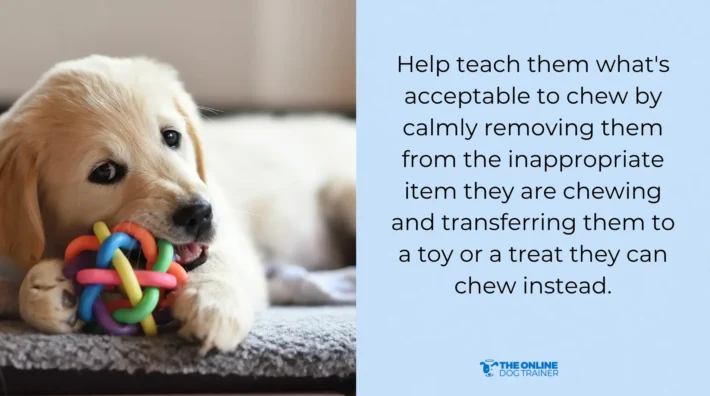
Credit: theonlinedogtrainer.com
Choosing Durable Toys
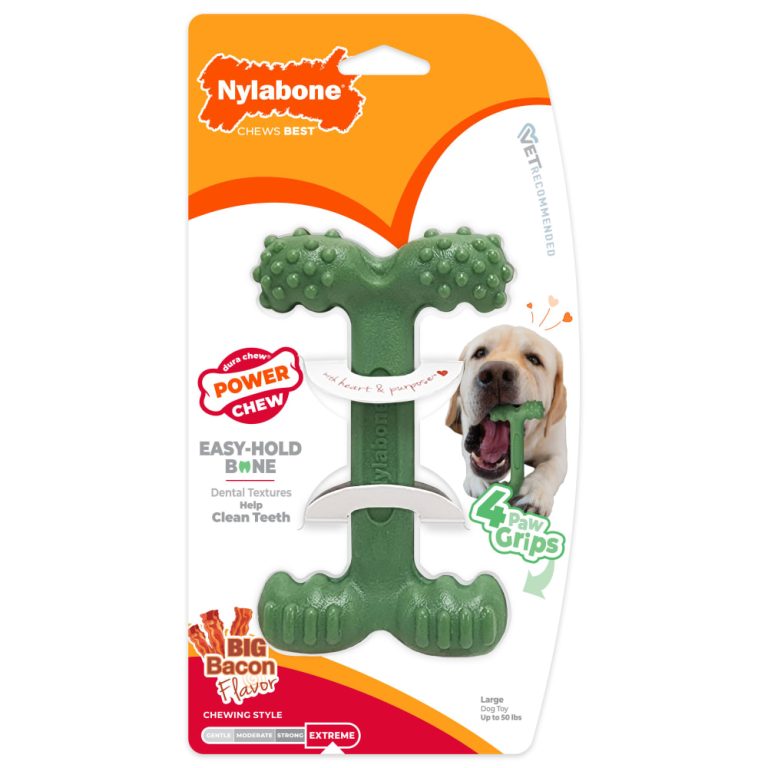
Dogs often destroy their toys due to natural instincts and playful energy. Durable toys can withstand rough play, minimizing frequent replacements. Opt for tough materials like rubber or nylon for long-lasting enjoyment.
Choosing durable toys for your furry friend can feel like a daunting task, especially if your dog has a knack for turning plush companions into a sea of fluff in mere minutes. Selecting the right toy can not only save you money but also keep your pup entertained for longer. So, what should you consider when picking out a toy that stands the test of time?Understanding Your Dog’s Chewing Habits
Every dog is unique, and understanding your dog’s chewing habits is crucial. Is your dog a gentle chewer or more of a power chewer? A toy that works for a Chihuahua might not withstand the jaws of a Labrador. Observe your dog’s interaction with their current toys. This insight can help you decide between toys made of rubber, nylon, or even reinforced fabric.Material Matters
The material of the toy plays a significant role in its durability. Opt for toys made from tough materials like rubber, which can bounce back from vigorous chewing. Brands like KONG offer rubber toys specifically designed for tough chewers. Additionally, some toys use reinforced stitching to endure more wear and tear. Check for labels that indicate durability to ensure you’re investing in a long-lasting toy.Size And Shape Considerations
Size matters when it comes to durable toys. A toy that’s too small can be a choking hazard, while a too-large toy may not be engaging. Choose a toy that your dog can comfortably hold in their mouth. Consider toys with irregular shapes or textures. These can offer extra fun and challenge, keeping your dog entertained and less likely to destroy their new plaything.Interactive And Puzzle Toys
Interactive toys can be a great solution for dogs who easily get bored. These toys not only withstand chewing but also engage your dog’s mind. Puzzle toys challenge your dog to think and can keep them busy for hours. They offer a double benefit: entertainment and mental stimulation. Next time you’re at the pet store, look for toys that offer more than just something to chew on.Regular Inspection And Replacement
No matter how durable a toy is, regular inspection is necessary. Check for signs of wear and tear and be ready to replace toys that are falling apart. A damaged toy can pose risks like choking or ingestion of small parts. By keeping an eye on your dog’s toys, you ensure their safety and extend the life of their playtime companions. Choosing durable toys is more than just a purchase; it’s about understanding your dog’s needs and behavior. By considering these factors, you can make informed decisions that lead to happier, more engaged, and safer playtimes for your dog.Training Tips For Destructive Chewing
Dogs often destroy toys out of boredom or to relieve stress. Chewing is also a natural instinct and can help with teething. Providing durable toys and regular exercise may reduce destructive behavior.
Training Tips for Destructive Chewing Is your dog turning his toys into confetti? It’s a common frustration for many pet owners. While playful chewing is a natural behavior for dogs, excessive destruction can be a sign of underlying issues or boredom. Fortunately, with the right training tips, you can guide your furry friend to enjoy his toys without tearing them apart. Let’s dive into some practical strategies that can make a real difference.Understand The Root Cause
Before jumping into solutions, it’s crucial to understand why your dog is being destructive. Is he anxious, bored, or teething? Recognizing the underlying cause can help tailor your approach effectively.Provide Appropriate Chew Toys
Choose toys that are designed for heavy chewers. Durable materials like rubber or nylon can withstand intense chewing. Introduce these toys gradually, making sure they are safe and suitable for your dog’s size.Engage In Interactive Play
Spend quality time playing with your dog. Interactive games, such as fetch or tug-of-war, can keep him mentally stimulated and satisfied. This can reduce the urge to destroy toys out of boredom.Implement Positive Reinforcement
Reward your dog when he plays gently with his toys. Positive reinforcement, such as treats or praise, can encourage good behavior. Be consistent with your rewards to help him learn faster.Set Clear Boundaries
Establish what is acceptable for chewing and what isn’t. Redirect your dog to his toys whenever he tries to chew on inappropriate objects. Consistent boundaries can help him understand what is off-limits.Monitor Playtime
Supervise your dog’s play sessions, especially if he’s prone to destructive behavior. Close monitoring allows you to intervene quickly and redirect his focus when necessary.Use Deterrents
Consider using safe deterrents on toys that are frequently destroyed. Bitter sprays can discourage chewing by making the toys taste unpleasant, helping your dog to lose interest in destruction.Consult A Professional
If destructive chewing persists despite your efforts, consulting a professional dog trainer might be beneficial. They can provide tailored advice and strategies to address your dog’s specific needs. Implementing these tips can transform your dog’s playtime, making it enjoyable and safe. Remember, every dog is unique, so patience and persistence are key in finding what works best for your furry companion.Understanding Different Breeds
Dogs destroy toys for various reasons, including boredom, instinct, or stress relief. Breed characteristics play a significant role in this behavior. Understanding these traits helps tailor toy choices to match your dog’s needs.
Understanding why your dog destroys toys can be a mystery. Each breed has unique traits that influence behavior. Knowing these can help you manage your dog’s habits better. Some breeds are more playful, while others might be more aggressive with toys. Let’s explore how different breeds interact with their toys.Understanding Terriers
Terriers have a high prey drive. They love to hunt and dig. These instincts make them aggressive with toys. They see toys as prey to catch. Providing durable toys can satisfy their instincts without destruction.Retrievers And Their Playfulness
Retrievers are known for their playful nature. They love fetching and carrying items. Toys for them are play partners. Soft and durable toys keep them entertained and prevent destruction.Why Hounds Love To Chew
Hounds are scent-driven and curious. Chewing helps them explore their world. Toys that challenge their senses can keep them engaged. Puzzle toys work well for these curious breeds.Bulldogs And Their Strong Jaws
Bulldogs have powerful jaws and love to chew. They need strong, durable toys that can withstand pressure. Chew-resistant toys are ideal for Bulldogs to prevent destruction.Understanding The Energy Of Shepherds
Shepherds are energetic and intelligent. They need mental and physical stimulation. Interactive toys can engage their minds and energy. Toys that challenge them prevent boredom and destruction. Understanding these traits helps you choose the right toys. This reduces destruction and keeps your dog happy.Enrichment Activities
Enrichment activities are a fantastic way to keep your dog’s mind and body active, reducing the likelihood of them destroying their toys out of boredom. When dogs have a variety of engaging activities, they are less likely to resort to destructive behaviors. Let’s dive into some effective enrichment activities that can help redirect your dog’s energy positively.
Interactive Toys
Interactive toys can be a game-changer for keeping your dog entertained. Toys like treat-dispensing balls or puzzle toys challenge your dog’s mind and provide a reward for their efforts. They not only keep your dog busy but also help in sharpening their problem-solving skills.
Diy Activities
Creating homemade puzzles or games can be a budget-friendly way to engage your dog. Hide treats in a muffin tin and cover them with tennis balls, allowing your dog to figure out how to retrieve the treats. This simple setup can provide endless fun and stimulate your dog’s natural hunting instincts.
Exercise Sessions
Physical exercise is crucial for a happy, well-behaved dog. Regular walks, games of fetch, or agility exercises can help burn off excess energy. A tired dog is less likely to destroy toys out of sheer boredom or pent-up energy.
Training Drills
Training isn’t just for teaching obedience; it can be an enriching activity. Short, frequent training sessions can boost your dog’s confidence and focus. Use positive reinforcement to teach new tricks, keeping their mind engaged and reducing destructive tendencies.
Socialization Opportunities
Socializing your dog with other dogs or humans can provide mental stimulation. Playdates or visits to the dog park can offer new experiences and interactions. This variety helps satisfy your dog’s social needs, making them less likely to chew toys out of loneliness.
So, how can you enrich your dog’s life today? By incorporating these activities, you can help them stay engaged and prevent the destruction of their toys. Remember, a stimulated dog is a happy dog!

Credit: www.facebook.com
Frequently Asked Questions
Why Does My Dog Tear Apart Toys?
Dogs often destroy toys due to natural instincts like hunting and chewing. It can also be a sign of boredom or stress. Providing durable toys, interactive playtime, and mental stimulation can help manage this behavior. Understanding your dog’s play style can help choose toys that last longer.
Is It Normal For Dogs To Destroy Toys?
Yes, it’s normal for dogs to destroy toys. It reflects their natural instincts and energy levels. Some breeds are more destructive due to their strong prey drive. Offering toys that match your dog’s play style and strength can reduce frustration and ensure safer playtime.
How Do I Stop My Dog From Destroying Toys?
To stop destruction, choose durable toys and engage in interactive play. Providing mental stimulation and regular exercise reduces boredom and stress. Training commands like “leave it” can help manage destructive behavior. Rotate toys to keep them interesting and prevent excessive wear.
Are There Toys That Dogs Can’t Destroy?
Yes, there are toys designed to withstand aggressive chewers. Look for toys made from tough materials like rubber or nylon. Brands often label these toys as “indestructible” or “durable. ” Always supervise playtime and replace damaged toys to prevent choking hazards.
Conclusion
Dogs often destroy toys due to natural instincts. Chewing helps relieve stress. It can also be a way to explore. Some dogs play rough, leading to torn toys. Providing sturdy toys can help prevent damage. Regular exercise reduces destructive behavior.
Teach gentle play to your dog. Supervise playtime for better control. Understanding your dog’s needs is crucial. Choose toys suited for their energy level. Always prioritize safety and durability. A happy dog is less likely to wreck toys. Remember, patience is key in training.
Your dog can learn better habits.