Have you ever found yourself wondering, “Why does my dog whine while playing with a toy?” You’re not alone.
Many dog owners notice this curious behavior and are eager to understand what’s going on. It can be puzzling to watch your furry friend seem both delighted and distressed over a simple toy. Is it excitement, frustration, or something else entirely?
Knowing the answer could deepen your bond with your dog and make playtime even more enjoyable. Dive into the reasons behind this behavior, and you might discover insights that transform your understanding of your pet. Don’t miss the chance to uncover what’s truly behind those whines and enhance your dog’s happiness.
Dog Communication Through Sounds
Dogs express themselves in fascinating ways. Sounds are a key part of this. Their whines, barks, and growls offer insight into their feelings. Each sound has a purpose. Understanding these can deepen your bond.
Why Dogs Whine During Play
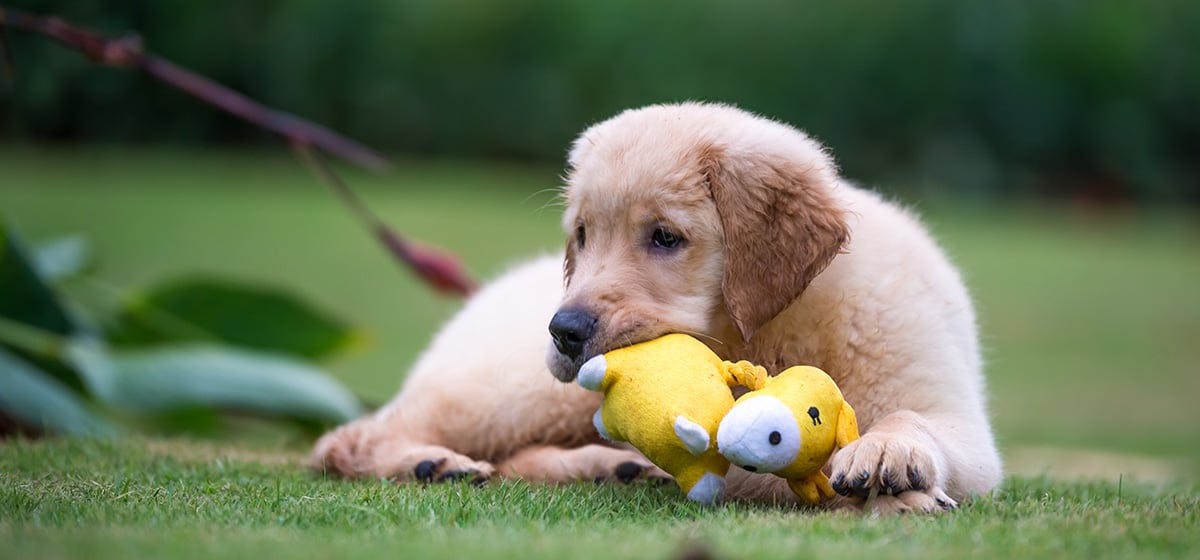
Dogs often whine when they play with toys. This isn’t always sadness. Many times, it’s excitement. A dog may whine because of joy or anticipation. They might be trying to tell you how much fun they’re having. The whining can also be a sign of concentration. They’re focused on their toy and the game. It’s their way of saying they’re fully engaged.
Other Sounds Dogs Use
Barking is another common sound. Dogs bark for many reasons. It can be a warning or a call for attention. Growling might seem aggressive. Often, it’s a form of play. Dogs use growls to challenge their toys. It’s part of their playful behavior. Each sound can have different meanings. Context is crucial to understand them.
Interpreting Your Dog’s Sounds
Pay attention to your dog’s body language. It helps interpret the sounds they make. A wagging tail and relaxed ears usually mean happiness. Stiff posture with a high tail might mean alertness. Combine sound and body language for a full picture. This helps in understanding your dog’s needs and feelings better.
Credit: wagwalking.com
Playful Whining Explained
Curiosity often leads dogs to whine while playing with toys. They express excitement and engagement. Sometimes, they’re simply communicating their joy and eagerness, adding an extra layer to their playful nature.
Understanding why a dog whines while playing with a toy can be intriguing. Dogs express themselves through various sounds. Whining during play can signify excitement or communicate something specific. This behavior might seem puzzling, yet it’s a normal part of canine expression.Excitement And Anticipation
Dogs often whine when they’re excited. Playing with a toy can stimulate them. The anticipation of the game can trigger whining. It’s their way of showing eagerness. This sound can indicate happiness and enthusiasm.Seeking Attention
Your dog might whine to get your attention. Toys are often a means of interaction. Whining can be a call for you to join the fun. It might be their invitation to play together. Dogs enjoy engaging with their humans.Frustration Or Challenge
Sometimes a toy can be challenging. Whining can signal a bit of frustration. Perhaps the toy is hard to reach or grasp. They might need help or encouragement. It’s their way of communicating a struggle.Expressing Playfulness
Whining can be part of playful behavior. Dogs have diverse play styles. Vocalization, including whining, is part of their play language. It can add to the playful atmosphere. It contributes to the fun of the game.Communicating Needs
Dogs might whine to express a need. It can be a sign they want something specific. Maybe they need a break or want a different toy. It’s important to observe and understand their cues. This helps address their needs effectively.Emotional Expression In Dogs
Dogs are fascinating creatures, full of unique ways to express their emotions. Their whines can often be misinterpreted, especially when you’re watching them happily play with a toy. Is it just a sound, or does it mean something more? Understanding the emotional expression in dogs can help you connect with your furry friend on a deeper level.
Joy And Excitement
Imagine your dog finally getting hold of a toy they’ve been eyeing for days. The whine you hear could be their way of sharing their joy and excitement with you. Dogs often express their happiness through vocalizations, and whining can be a part of that. Next time your pup starts whining, consider it as them saying, “Look, I’m having so much fun!”
Frustration And Anxiety
On the flip side, whining can also signal frustration or anxiety. Perhaps the toy is just out of reach, or they can’t get it to squeak the way they want. You might notice a more intense or prolonged whine in these cases. It’s your dog’s way of seeking help or expressing a need for your intervention. How do you respond when you sense your dog is frustrated? Finding balance between letting them solve their own puzzles and stepping in can be crucial.
Instinctual Behavior
Understanding why your dog whines while playing with a toy can be both amusing and puzzling. This behavior often stems from instinctual triggers deeply embedded in their DNA. Recognizing these instincts can help you connect more deeply with your furry friend and make playtime more enjoyable for both of you. Let’s explore the fascinating world of canine instinctual behavior.
Hunting Instincts
Dogs have inherited a strong prey drive from their wild ancestors. When your dog is playing with a toy, they might be mimicking hunting behaviors. This is why you might notice them shaking the toy or growling softly. It’s their way of practicing the hunt. Have you ever seen your dog crouch and stalk a toy? It’s not just playful—it’s instinctual.
Consider giving your dog toys that resemble prey, like squeaky toys. These can trigger their natural hunting instincts and make playtime more engaging. The squeak simulates the sound of small animals, sparking excitement and energy in your dog.
Pack Dynamics
Dogs are social animals and thrive in pack settings. Whining during play can be a form of communication. They might be expressing excitement or seeking attention from you, their pack leader. This behavior is akin to wolves vocalizing to each other in the wild.
By responding positively to your dog’s whining, you reinforce your bond. Try engaging with them when they whine, offering encouragement or joining in the play. It’s a chance to strengthen your relationship and establish trust. How can you ensure your dog feels secure and understood during these interactions?
Attention-seeking Behavior
Dogs often exhibit attention-seeking behavior during playtime. Whining can be their way to attract your focus. They might want you to join their play or simply acknowledge them. Understanding this behavior is crucial for pet owners.
Desire For Interaction
Your dog might whine because it craves interaction. Playtime is a bonding opportunity for pets and owners. Dogs love engaging with their human companions. Whining can be their call for your involvement. They might want you to throw the toy or play tug-of-war.
This behavior shows their social nature. Dogs are pack animals, and interaction is vital. Whining signals they seek your company. Responding positively can enhance your relationship with your dog.
Reinforcement Of Behavior
Attention-seeking can be reinforced by your reactions. If you respond to whining, your dog learns this behavior works. They discover whining brings them attention and interaction. This can lead to a cycle where whining becomes habitual.
It’s important to set boundaries. Teach your dog that whining isn’t the best way to get attention. Encourage them to use other methods to attract you. Positive reinforcement and training can help shape their behavior. Ensuring consistent responses can diminish excessive whining.
Health And Comfort Concerns
Dogs often whine while playing with toys due to excitement or frustration. This behavior can also signal discomfort or the need for attention. Understanding these cues helps ensure your pet’s health and comfort.
Dogs often whine during play, which can raise concerns for owners. Understanding the reasons behind this behavior is essential. Health and comfort concerns play a significant role in why your dog might whine while playing with a toy. Let’s explore these concerns to ensure your furry friend is both happy and healthy.Physical Discomfort
Dogs can experience physical discomfort without obvious signs. A toy may trigger pain if your dog has sore gums or teeth. This discomfort can cause whining as a response. Observe if your dog avoids chewing or favors one side. Swelling or redness in the mouth might also indicate issues. Pay attention to any changes in their behavior during play. A vet check-up can rule out dental problems.Mental Stimulation Needs
Whining might signal a need for more mental engagement. Some dogs need challenging activities to stay content. Toys that don’t provide enough stimulation can lead to frustration. Interactive toys or puzzles can help. These toys encourage problem-solving and keep your dog entertained. Monitor how your dog interacts with their toys. Adjusting playtime activities can greatly improve their mental well-being.How To Address Whining
Dogs may whine while playing with a toy due to excitement or frustration. Understanding this behavior helps in addressing it effectively. Offering patience and clear communication can reduce whining and enhance playtime enjoyment for both the dog and owner.
Understanding why your dog whines while playing with a toy can be puzzling, but addressing it is simpler than you might think. Dogs communicate through their behavior, and whining is one way they express excitement, frustration, or even a call for attention. By exploring the reasons behind this behavior, you can tailor your approach to help your furry friend enjoy playtime even more. Let’s dive into some practical ways to address your dog’s whining during play.Positive Reinforcement
Positive reinforcement is a powerful tool in shaping your dog’s behavior. Reward your dog when they’re playing quietly with their toy. Use treats, petting, or verbal praise to reinforce calm behavior. Create a consistent pattern by rewarding your dog every time they engage in play without whining. This encourages them to associate quiet play with positive outcomes. Over time, you’ll notice a reduction in whining as your dog learns that staying calm brings more rewards.Ensuring Adequate Playtime
Dogs, like humans, need sufficient playtime to expend energy and stay healthy. Ensure your dog is getting enough physical and mental stimulation daily. This can help reduce the likelihood of whining due to excess energy. Consider setting aside specific times each day for dedicated play sessions. This routine not only helps to tire your dog out but also strengthens your bond. Could your dog be whining because they aren’t getting enough playtime? By understanding and addressing the reasons behind your dog’s whining, you can enhance their play experience. Implement these strategies and observe the positive changes in your dog’s behavior.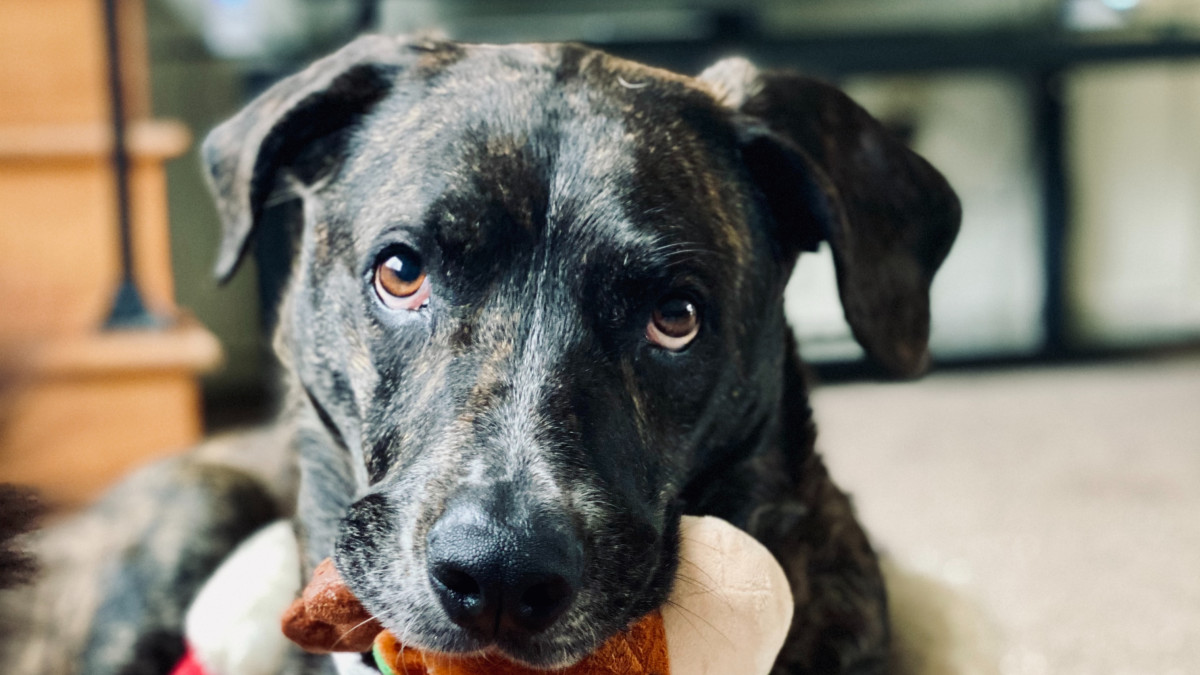
Credit: pethelpful.com

Credit: www.skipperspetproducts.com
Frequently Asked Questions
Why Does My Dog Whine With Toys?
Dogs whine when playing with toys due to excitement or frustration. It’s a way for them to communicate feelings. Sometimes, they whine if they can’t achieve a goal, like reaching a toy. Observing your dog’s behavior can help you understand the reason behind the whining.
Is Whining A Sign Of Happiness In Dogs?
Yes, whining can indicate happiness in dogs, especially during playtime. It’s a form of vocalization expressing excitement. Dogs may whine when they are thrilled or eager. However, it’s essential to watch their body language to ensure whining isn’t due to discomfort or anxiety.
Can Whining Indicate Toy Frustration?
Whining can show frustration, especially if a dog struggles with a toy. If the toy is challenging or out of reach, dogs may whine. This behavior is a way to express their desire or need for assistance. Providing help or altering the toy’s accessibility can reduce whining.
How Do I Stop My Dog From Whining?
To stop whining, identify the cause first. If it’s excitement, provide calming activities. For frustration, offer assistance with toys. Training commands like “quiet” can help control whining. Consistent positive reinforcement encourages desired behavior and reduces unnecessary whining during play.
Conclusion
Dogs whine while playing for many reasons. They might feel excited. Or perhaps they’re frustrated. Sometimes, it’s just a way to communicate. Understanding your dog’s behavior is key. Watch their body language closely. Notice when the whining starts. This helps you know their feelings better.
Engage with them. Play together to strengthen your bond. Sometimes, just being there comforts them. Every dog is unique. So, pay attention to their specific needs. This way, you ensure a happy playtime. And a happy dog.