How Toys are Made: Unveiling the Creative Process
Have you ever wondered about the fascinating journey your favorite toys take before they end up in your hands? Imagine knowing exactly how that cuddly teddy bear or intricate puzzle is brought to life.
Understanding the toy-making process can deepen your appreciation and maybe even add a sprinkle of magic to playtime. We’ll unravel the secrets behind toy production, revealing the creativity and precision that goes into every piece. By the end, you’ll have a newfound perspective on the seemingly ordinary toys around you.
Ready to discover the magic? Let’s dive in!
Concept Development
Crafting toys begins with concept development, where ideas transform into playful designs. Designers sketch and plan each detail, considering safety and fun.
Concept development is a crucial stage in the toy-making process, where creative ideas transform into exciting, tangible products. This phase involves brainstorming, researching, and designing, all aimed at creating toys that capture the imagination and resonate with children. Let’s dive into the key aspects of concept development:Idea Generation
The journey of every toy begins with a spark of imagination. Toy creators often draw inspiration from personal experiences, childhood memories, or even observing children at play. Have you ever wondered how a simple doodle could lead to the next popular toy sensation? Brainstorming sessions are essential, where diverse teams bring together their unique perspectives. This collaborative environment fosters creativity, allowing ideas to flow freely and evolve into something special.Market Research
Once an idea takes shape, understanding the market becomes crucial. You need to know who your target audience is and what they desire. Market research involves analyzing trends, consumer preferences, and competitor products. Imagine identifying a gap in the market that your toy can fill. This insight can be the key to creating a toy that not only entertains but also meets the specific needs of children. Conducting surveys and focus groups can provide valuable feedback, ensuring your toy stands out in the crowded marketplace.Design Prototyping
With a well-researched idea in hand, the next step is bringing it to life through design prototyping. This involves creating models or sketches that visualize the toy concept. Have you ever tried building a prototype from scratch? It’s an exciting process where creativity meets practicality. Prototyping allows you to experiment with materials, shapes, and functionalities, refining the design until it perfectly aligns with your vision. This hands-on approach helps identify potential design flaws early, saving time and resources in the long run. As you explore these stages, think about how each component contributes to crafting toys that spark joy and creativity in children. Could your next idea be the one that revolutionizes playtime?
Credit: www.youtube.com
Material Selection
Choosing the right materials is crucial in toy manufacturing. Safe and durable materials ensure toys withstand play and meet safety standards. Manufacturers often opt for non-toxic plastics, natural fibers, or wood to create engaging, secure products for children.
Selecting the right materials for toy production is an intricate dance between creativity and responsibility. It’s not just about finding the brightest colors or the most durable textures; it’s about ensuring every material used in the crafting process contributes to a safe, sustainable, and cost-effective product. As you delve into the world of toys, consider how each decision impacts the little hands that will eventually hold them.Safety Standards
Safety is paramount. The materials chosen must adhere to rigorous safety standards to prevent any harm to children. From non-toxic paints to splinter-free wood, every element must pass stringent tests. Manufacturers often conduct lead tests and choking hazard assessments, ensuring peace of mind for parents. Are you confident in the safety of the toys around you?Sustainability Considerations
With growing environmental concerns, sustainability is a key factor in material selection. Eco-friendly materials like biodegradable plastics and recycled fabrics are gaining popularity. These choices not only reduce environmental impact but also teach children the importance of caring for our planet. Does the toy you’re buying contribute to a greener future?Cost Analysis
Balancing quality and affordability is crucial in toy production. While premium materials might enhance durability, they can inflate prices. Manufacturers often create a cost analysis table to weigh expenses against potential sales. This ensures toys remain accessible without compromising quality. How do you feel about spending a little more for better quality? Selecting materials for toy production is a thoughtful process that balances safety, sustainability, and cost. As you navigate these choices, remember the impact they have on both the child and the world they inhabit.Design And Engineering
Toy creation involves careful design and precise engineering. Ideas take shape through sketches, prototypes, and material selection. Safety standards guide every step, ensuring fun and secure play.
The design and engineering phase is where the magic of toy creation begins. This is the stage where ideas transform into tangible products that delight children across the globe. With creativity and technical precision, experts work tirelessly to design toys that are not only fun but also safe and educational.3d Modeling
3D modeling is a game changer in toy design. It allows designers to create detailed digital representations of toys before they are physically made. This technology offers the flexibility to tweak designs effortlessly, ensuring every detail is perfect. Imagine the ability to see a toy from every angle without lifting a finger. This is what 3D modeling offers. It helps identify potential design flaws early, saving time and resources in the production process.Engineering Challenges
Every toy poses unique engineering challenges. These obstacles range from ensuring structural integrity to selecting the right materials. Engineers must balance creativity with practicality, ensuring toys are safe and durable. Have you ever wondered why a toy doesn’t break easily? It’s because engineers anticipate the stresses toys face during play. They design solutions to withstand wear and tear, ensuring that toys last longer.User Experience Design
User experience design is crucial in making toys enjoyable. It focuses on how children interact with toys, prioritizing ease of use and engagement. This involves testing toys with real users, gathering feedback, and refining designs accordingly. Does the toy spark joy and curiosity? User experience design ensures it does. This process is about creating not just a toy, but an experience that captivates and educates. By understanding how children play, designers craft toys that truly resonate with young minds.
Credit: www.youtube.com
Manufacturing Processes
The journey from concept to playroom involves intricate manufacturing processes. Creating toys requires precision and creativity. Each step ensures the final product is safe and fun.
Injection Molding
Injection molding is a key technique in toy production. It involves heating plastic until it melts. Then, the molten plastic is injected into a mold. This mold shapes the toy parts precisely. Cooling solidifies the plastic, forming durable components. This method is efficient and consistent, crucial for mass production.
Assembly Techniques
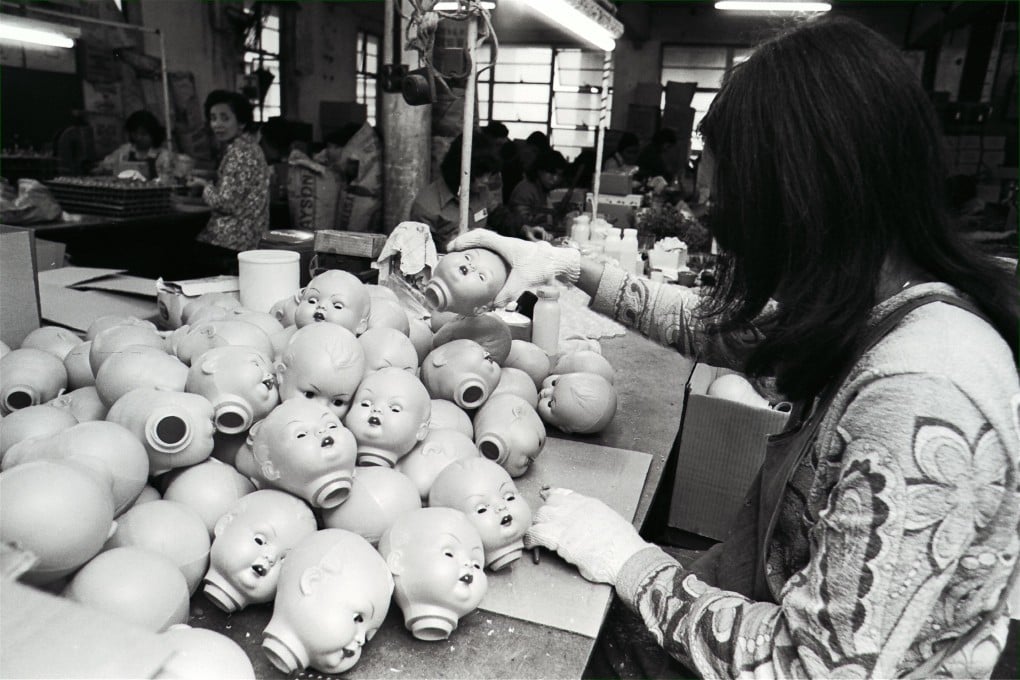
Assembly techniques bring toy pieces together. Workers or machines fit parts into place. Fastening methods vary, from screws to snap-fits. Some toys require manual assembly, ensuring detail and quality. Others use automated systems for quicker production. The goal is a sturdy, safe toy.
Quality Control
Quality control ensures toys meet safety standards. Every toy undergoes rigorous testing. Inspectors check for defects and durability. They evaluate paint and material safety. This process prevents hazards and ensures customer satisfaction. Quality control is vital for trust and reliability.
Packaging And Branding
Packaging and branding play a crucial role in toy manufacturing. They not only protect toys but also make them stand out. A well-packaged toy can catch a customer’s eye, while strong branding builds trust and recognition. Let’s explore the elements that make toy packaging and branding effective.
Visual Appeal
Visual appeal is essential in toy packaging. Bright colors and fun designs grab attention. Simple graphics can convey the toy’s purpose instantly. Clear and attractive images help in selling the toy. Customers often decide based on looks. Thus, making the packaging visually appealing is vital.
Eco-friendly Packaging
Eco-friendly packaging is becoming more important. Many consumers prefer sustainable materials. Using recycled or biodegradable materials reduces waste. It also shows that a brand cares for the environment. This can increase a toy’s appeal to eco-conscious buyers. Green packaging is not just a trend; it’s a necessity.
Brand Identity
Brand identity is key in toy packaging. It helps distinguish one brand from another. Consistent colors, logos, and fonts build recognition. These elements create a memorable image in the customer’s mind. A strong brand identity fosters customer loyalty. It ensures repeat business and strengthens market position.

Credit: www.youtube.com
Testing And Safety
When you think about toys, your mind might wander to joyful memories of childhood play. However, behind those colorful and fun designs lies a meticulous process to ensure each toy is safe for play. Testing and safety are crucial aspects of toy manufacturing that manufacturers take very seriously. Let’s explore how toys undergo various tests and achieve safety certifications to earn your trust.
Durability Testing
Ever wondered why your old teddy bear survived countless adventures? Durability testing is the reason. Toys undergo rigorous stress tests to ensure they can withstand rough handling by young hands. Manufacturers simulate scenarios like dropping, bending, and pulling to check if toys can hold up. This testing is vital to prevent toys from breaking into small pieces, which could pose choking hazards.
Safety Certifications
Safety certifications are the hallmark of trustworthy toys. Toys must meet specific standards and regulations, depending on your country. These certifications guarantee that toys are free from harmful chemicals and parts. Look for labels like CE or ASTM on packaging; they indicate that toys have passed stringent safety tests. Such certifications are your assurance that a toy is safe for your child.
Consumer Feedback
Do you ever check reviews before buying toys? Consumer feedback plays a key role in the toy industry. Manufacturers pay attention to your experiences to improve their products. If parents report safety concerns or suggest improvements, companies often take action. Your feedback helps ensure toys are not only fun but also safe and reliable.
Distribution And Retail
Crafting toys involves designing, prototyping, and manufacturing stages. Once completed, toys are distributed to retailers, ensuring they reach children worldwide. This journey from factory to store shelves is crucial for bringing joy to kids everywhere.
Distribution and retail are crucial stages in the journey from toy creation to the hands of eager children. After toys are carefully designed, manufactured, and packaged, they need to find their way to store shelves and online platforms. This is where the magic of distribution and retail comes into play, ensuring that toys reach both local and global markets efficiently and effectively.Supply Chain Management
Effective supply chain management is the backbone of toy distribution. It involves coordinating all the steps needed to get toys from the factory to the retail outlets. This means ensuring that transportation, warehousing, and inventory management are all running smoothly. Have you ever wondered how a toy made in a factory in China ends up on a shelf in your local store? It’s all about timing and logistics. This process requires a seamless flow of information and products, minimizing delays and maximizing efficiency.Retail Partnerships
Building strong retail partnerships is essential for toy manufacturers. By collaborating with major retailers, manufacturers can ensure their toys are prominently displayed and easily accessible to consumers. These partnerships often involve negotiations on pricing, promotions, and shelf space. Think about your favorite toy store. The reason you find a particular brand there might be because of a successful partnership. Retailers and manufacturers work hand-in-hand to create attractive displays and special promotions to draw your attention.Online Marketplaces
The rise of online marketplaces has transformed the way toys are sold. Platforms like Amazon and eBay offer toy makers a global reach without the need for physical storefronts. This shift has opened up new opportunities and challenges for the toy industry. Online shopping allows you to browse a vast selection of toys from the comfort of your home. It’s fascinating how a small startup can compete with big brands by leveraging the power of the internet. As a consumer, you have more options than ever, but it’s crucial to choose wisely and read reviews to ensure quality. Distribution and retail are dynamic fields that continue to evolve with technology and consumer preferences. As you shop for toys, remember the intricate processes that make it all possible. Are you ready to explore more about how toys reach you?Trends In Toy Manufacturing
Toy manufacturing today embraces technology and creativity. Modern factories use advanced machines for precise cutting and molding. Designers utilize digital tools to create innovative and safe toys, ensuring quality and appeal for children.
Trends in toy manufacturing continue to evolve rapidly. The industry adapts to new demands and interests. Manufacturers focus on creating toys that captivate young minds. These trends reflect shifts in technology, culture, and future prospects.Technological Innovations
Technology plays a vital role in toy development. Manufacturers use 3D printing to create prototypes quickly. This method reduces production time and costs. Robotics and AI bring toys to life with interactive features. Smart toys connect to apps, offering an engaging experience. These advancements make playtime more exciting and educational.Cultural Influences
Cultural trends shape toy designs significantly. Diversity and inclusion have become crucial in toy production. Manufacturers create dolls representing various races and abilities. This inclusivity fosters empathy and understanding in children. Popular movies and shows inspire themed toys. Kids love playing with characters they admire.Future Prospects
The future of toy manufacturing holds exciting possibilities. Sustainable materials will become more prevalent. Eco-friendly toys reduce environmental impact. Customization options will increase, offering personalized play experiences. STEM toys will continue to grow in popularity. They encourage learning in science, technology, engineering, and math. These trends promise a bright future for the toy industry.Frequently Asked Questions
How Are Toys Designed?
Toys are designed by skilled designers who create prototypes using computer-aided design software. They consider safety, functionality, and aesthetics. Designers collaborate with engineers to ensure toys meet safety standards and are manufacturable. Once approved, prototypes undergo testing before mass production begins.
What Materials Are Used In Toy Making?
Toy making typically involves materials like plastic, wood, and fabric. Plastic is popular for its durability and versatility. Wood is used for traditional and eco-friendly toys. Fabric is used for soft toys and dolls. Each material is chosen based on the toy’s purpose and target audience.
How Do Toys Get Their Color?
Toys get their vibrant colors through various methods like molding colored plastic or painting. Plastic toys often use colored pellets during production. Paint is used for detailed designs and patterns. Each method ensures toys are visually appealing and safe for children.
Are Toys Tested For Safety?
Yes, toys undergo rigorous safety testing before reaching consumers. Tests include checking for choking hazards, toxic materials, and durability. Safety standards are set by organizations like ASTM and CPSC. Manufacturers ensure compliance to provide safe play experiences for children.
Conclusion
Toys play a big role in childhood memories. Learning how toys are made helps appreciate their journey. From simple ideas to colorful shelves. Skilled hands craft each piece with care. Materials, design, and safety are top priorities. Factories turn raw materials into beloved toys.
The next time you pick up a toy, think of its creation. Each toy carries a story of creativity and dedication. Understanding toy-making deepens our connection to them. It’s fascinating to see how ideas become reality. Let’s cherish the magic of toys.
Their creation is an art of imagination and skill.