When was Toys R Us Closed: Unveiling the Timeline
Remember the excitement of strolling through the aisles of Toys R Us, where every shelf was a gateway to imagination and fun? You might still recall the jingles, the vibrant displays, and the thrill of discovering the newest toys.
But then, one day, it all disappeared. Toys R Us, the beloved toy haven of your childhood, closed its doors, leaving a void in the hearts of toy lovers everywhere. You may be wondering, when exactly did this happen, and what led to its closure?
You’ll uncover the timeline of events that led to the end of this iconic store, and why its legacy still resonates with so many. Stick around to find out the fascinating story behind Toys R Us’s closure and what it means for the future of toy shopping.

Credit: medium.com
Rise Of Toys R Us
Toys R Us, once a beloved toy store, closed its doors in 2018. The company faced financial struggles, leading to its shutdown. Despite its closure, it remains a nostalgic memory for many.
The rise of Toys R Us is a tale that captures the imagination of anyone who grew up in the latter half of the 20th century. This iconic toy store wasn’t just a retail giant; it was a magical wonderland where children’s dreams came to life. Walking into a Toys R Us was like stepping into a world where possibilities were endless, and every aisle held the promise of adventure.Founding And Early Years
Toys R Us began its journey in 1948 when Charles Lazarus opened a baby furniture store in Washington, D.C. His vision quickly shifted towards toys, recognizing the growing demand for children’s playthings. This pivot was not only timely but revolutionary, setting the foundation for what would become a retail phenomenon.Expansion And Global Reach
By the 1970s, Toys R Us had already established itself as the go-to destination for toys in the United States. Its unique warehouse-style format allowed for a vast selection of products, catering to every child’s whim. The brand’s global expansion saw stores popping up in Europe, Asia, and beyond, making it a universal symbol of childhood joy. Reflecting on your own experiences, do you remember the excitement of visiting a Toys R Us? What was your favorite toy aisle? These memories are not just personal; they are shared by millions worldwide, a testament to the store’s incredible reach and impact.Challenges Faced
When Toys R Us closed its doors, it marked the end of an era for many who grew up visiting the iconic toy store. The closure wasn’t just a result of one factor, but rather a series of challenges that compounded over time. Understanding these challenges gives insight into the evolving retail landscape and the importance of adapting to new consumer behaviors.
Market Competition
The toy industry is fiercely competitive. You might remember walking through the aisles of Toys R Us, wondering how they managed to stock every toy imaginable. But behind the scenes, they were facing stiff competition from major retailers like Walmart and Target. These companies offered similar products, often at lower prices, making it hard for Toys R Us to maintain its market share. Think about your own shopping habits. Would you choose a single-stop shop over a specialized store? This shift in consumer preference played a significant role in the challenges Toys R Us faced.
Shift To E-commerce
The rise of e-commerce was another hurdle Toys R Us struggled to clear. As online shopping became more prevalent, physical stores faced declining foot traffic. How often do you opt for the convenience of online shopping over a trip to the store? Toys R Us didn’t adapt quickly enough to this change, lagging behind competitors like Amazon that offered toys at the click of a button. Their reluctance to innovate in this digital era contributed to their downfall. Are businesses you frequent embracing this shift, or are they stuck in the past?
Financial Struggles
Toys R Us, once a haven for children’s dreams, faced a harsh reality that many businesses dread—financial struggles. The iconic toy store didn’t just stumble overnight; its troubles were rooted deeply in financial mismanagement and strategic errors that accumulated over time. As someone who spent countless hours strolling through aisles of toys, it’s hard to imagine the financial turmoil lurking behind those colorful shelves.
Mounting Debt Issues
Did you know that Toys R Us was drowning in debt long before it closed its doors? The company’s financial woes began when it was bought by private equity firms in 2005. This buyout saddled the retailer with nearly $5 billion in debt. A debt load of this magnitude made it nearly impossible for the company to invest in store improvements or innovative strategies to compete with the rise of online giants.
Imagine trying to run your household while owing millions; every decision becomes a juggle between paying off debt and making ends meet. Toys R Us faced a similar dilemma. This financial strain left little room for maneuvering, making the store’s closure almost inevitable.
Bankruptcy Filing
In 2017, the mounting financial pressure led Toys R Us to file for bankruptcy—a move that shocked many but surprised few who understood the depth of its financial struggles. Bankruptcy was seen as a last resort to restructure its debts and attempt a comeback.
But here’s a question for you: can a retail giant truly reinvent itself in the shadow of bankruptcy? Toys R Us struggled to find footing against competitors who were already leaps ahead in the digital space. While filing for bankruptcy was a strategic attempt to recover, it was simply too little, too late for the beloved toy store.
These financial troubles serve as a poignant reminder of the importance of strategic foresight and agile business practices. They highlight the critical need for businesses to balance debt with growth, ensuring they don’t end up in the precarious position that Toys R Us faced.
Store Closures Announcement
Toys R Us announced its closure in March 2018 after struggling with bankruptcy. The iconic toy store closed its doors in June 2018, ending decades of serving families and enthusiasts.
The announcement of Toys R Us store closures shook many families. The beloved toy store faced challenges from online retailers. This led to difficult decisions impacting communities. Parents and children felt nostalgic about their visits. The news spread quickly, causing concern among loyal customers.Decision To Close Stores
Toys R Us faced financial struggles. Competition from online stores affected sales. This forced the company to reconsider its business model. Maintaining physical stores became costly. The decision to close was not taken lightly. Executives weighed options carefully. Store closures were announced to save costs. This decision aimed to focus on e-commerce. Many stores began closing in 2018.Impact On Employees
Store closures affected thousands of employees. Many lost their jobs unexpectedly. This caused stress and uncertainty. Employees faced challenges finding new work. Some were long-time workers at the stores. They felt saddened by the sudden change. Communities also felt the impact deeply. Local economies suffered as stores shut down. The closures left empty spaces in shopping centers.Final Closure
Toys R Us closed its last U. S. stores in June 2018. After struggling with debt and competition, the beloved toy retailer ended its operations.
The ‘Final Closure’ of Toys R Us marked the end of an era for many who cherished childhood memories within its aisles. This iconic toy store, known for its wide selection of toys and games, ceased operations, leaving many to reminisce about their favorite visits. Its closure in 2018 was a significant event, stirring emotions among both nostalgic adults and young fans who had just started to explore the magical world of toys.Last Day Of Operations
The final day of operations was bittersweet. Employees packed up remaining stock, while customers made last-minute purchases. Some stores held clearance sales, enticing crowds eager for bargains. It was a day filled with mixed emotions. People of all ages visited, capturing photos and sharing memories. The atmosphere was both festive and somber, highlighting the end of a beloved brand.Reactions From Customers
Customers were heartbroken. Social media was flooded with messages reminiscing favorite toys and experiences. Many shared stories of their first bike or video game purchase. Parents expressed sadness that their children wouldn’t experience the same joy. The closure sparked conversations about the changing retail landscape. How do we preserve cherished memories in a digital age? These reactions underscore the deep connection people had with Toys R Us.
Credit: www.oregonlive.com
Aftermath And Legacy
Toys R Us closed its doors in 2018, marking the end of a beloved era for toy enthusiasts. The legacy lives on through fond memories and the enduring impact on the toy industry.
The closure of Toys R Us marked the end of an era for many who cherished childhood memories of wandering through aisles of toys and games. Its absence left a significant gap in the retail landscape, bringing about a wave of nostalgia and reflection. This period of transformation has sparked numerous discussions on the brand’s impact and the void it left behind.Attempts At Revival
Efforts to bring back Toys R Us have been met with mixed results. Various entities have attempted to revive the brand through pop-up stores and online platforms. These attempts showcase a persistent belief in the brand’s potential and its emotional connection with consumers. A notable example is the partnership with Macy’s, introducing Toys R Us sections in their stores. This strategy aims to tap into the holiday shopping spirit and rekindle the magic associated with the Toys R Us name. But can these efforts truly replicate the original experience?Impact On Toy Industry
The fall of Toys R Us left a substantial impact on the toy industry, altering the dynamics of toy distribution and sales. Smaller retailers and online giants swiftly filled the void, capitalizing on the opportunity to expand their market share. For toy manufacturers, the closure meant finding new avenues to reach consumers. This shift forced many to innovate and diversify their sales strategies, often embracing direct-to-consumer models. The question remains: Has the landscape changed permanently, or is there room for a future comeback of the beloved toy giant?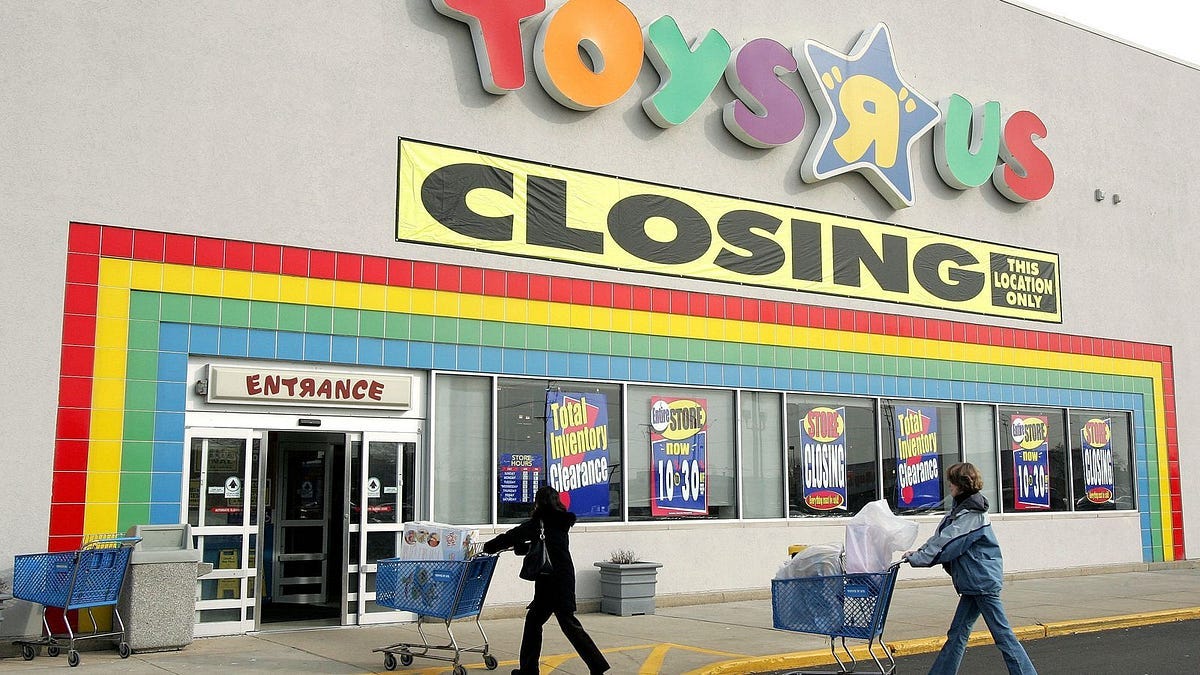
Credit: christianityai.medium.com
Frequently Asked Questions
When Did Toys R Us Close In The Us?
Toys R Us closed its last U. S. stores in June 2018. The company faced financial struggles and filed for bankruptcy. Despite attempts to revive the brand, all stores shut down by summer 2018. The closure marked the end of an era for the beloved toy retailer.
Why Did Toys R Us Close Down?
Toys R Us closed due to financial difficulties and competition from online retailers. The rise of e-commerce and changing consumer habits affected sales. The company’s bankruptcy filing in 2017 led to the decision to close all stores. These factors combined resulted in the store’s closure.
What Happened To Toys R Us After Closing?
After closing, Toys R Us attempted a comeback by opening pop-up stores. These smaller stores aimed to capture the holiday shopping season. Despite these efforts, the brand struggled to regain its former glory. The closures marked a significant shift in the toy retail landscape.
Are Toys R Us Stores Still Open Anywhere?
Toys R Us stores reopened in select locations outside the U. S. In Canada, stores continue to operate successfully. Internationally, the brand has presence in countries like Australia and the UK. These stores offer a nostalgic experience for toy lovers.
Conclusion
Toys R Us holds a special place in many hearts. The closure marked the end of an era for toy lovers. Its stores were once filled with joy and excitement. Many families enjoyed shopping there for years. The company’s legacy lives on through memories.
Though closed, its impact remains significant in retail history. New generations still hear stories about Toys R Us. The brand continues to inspire imagination worldwide. Toys R Us may be gone, but its spirit lives on. The toy world remembers it fondly.
It will always be a cherished name among those who grew up with it.