Imagine walking into a store filled with endless aisles of toys, where your childhood dreams came to life. For many, Toys R Us was more than just a store; it was a magical place.
As you explore this article, you’ll uncover the story of when the last Toys R Us closed its doors, marking the end of an era. This tale is not just about dates and facts; it’s about nostalgia, emotions, and the impact on generations of toy lovers like you.
So, why did this iconic brand disappear? And what does it mean for your cherished memories? Let’s dive in to find the answers and relive those special moments.

Credit: www.facebook.com
Rise Of Toys R Us
Toys R Us once stood as a giant in the toy industry. Known for its sprawling aisles and endless toy options, it captured the hearts of children and adults alike. The store became a symbol of childhood wonder and joy. But how did it all begin?
Founding And Expansion
Charles Lazarus founded Toys R Us in 1948. It started as a baby furniture store in Washington, D.C. Soon, Lazarus noticed parents desired toys for their children. He shifted focus to toys, and sales soared. By 1957, it became the first toy supermarket.
The expansion of Toys R Us was rapid. By the 1980s, it had become a household name. Stores popped up across the United States and beyond. The iconic backwards “R” logo became instantly recognizable. The company thrived, dominating the toy retail space.
Cultural Impact
Toys R Us had a significant cultural impact. Many children dreamt of shopping sprees in its aisles. Birthday parties and holiday shopping trips often included a visit. The brand became synonymous with childhood joy and excitement. Its jingles and commercials were memorable, becoming part of pop culture.
Parents trusted Toys R Us to offer the latest and greatest toys. The store helped shape toy trends for decades. It wasn’t just a store, but a part of family traditions. Toys R Us created lasting memories for millions of families worldwide.
Challenges Faced
Challenges arose as Toys R Us struggled with changing consumer habits and online competition. Financial difficulties led to store closures, with the last U. S. location shutting down in 2018.
The closure of the last Toys R Us store marked the end of an era for many who cherished childhood visits to the toy haven. The challenges faced by Toys R Us were multifaceted, reflecting broader trends in the retail industry. Understanding these challenges offers insights into the shifting landscape of retail and consumer preferences.Economic Factors
Economic downturns have a profound impact on retail giants. Rising operational costs, including rent and employee wages, strained their financial resources. Coupled with fluctuating consumer spending, Toys R Us found it difficult to maintain profitability. Debt was another significant burden. Toys R Us had amassed considerable debt over the years, which became unsustainable. This financial strain limited their ability to invest in improvements or adapt to changing market conditions.Competition In The Market
Retail is a battleground, and Toys R Us faced fierce competition. Online giants like Amazon made it easy for consumers to shop from home, often at lower prices. This convenience and cost-effectiveness drew many away from traditional toy stores. Big-box retailers, such as Walmart and Target, also posed a threat. They offered a wide range of toys alongside other products, making them one-stop shops for busy consumers. Toys R Us struggled to compete with their pricing strategies and expansive inventory.Shifts In Consumer Behavior
Consumer preferences are constantly evolving. The rise of digital entertainment shifted interest away from traditional toys. Children and parents started leaning towards electronic gadgets and interactive games, reducing demand for conventional toys. Moreover, shopping habits changed drastically. With the convenience of online shopping, the need for physical store visits diminished. Toys R Us, anchored in its brick-and-mortar model, struggled to adapt to this digital shift. Reflecting on these challenges, what lessons can you draw for today’s retail landscape? How can businesses anticipate and adapt to such profound changes to thrive in a rapidly evolving market?The Downfall
The downfall of Toys R Us is a tale of missed opportunities. This iconic retailer once held the hearts of children and parents alike. Yet, it struggled to keep pace with changing times. The closure of its last stores marked the end of an era. Let’s explore the reasons behind this decline.
Financial Struggles
Toys R Us faced mounting debts over the years. The company had borrowed heavily to finance its growth. Interest payments became a significant burden. This financial strain limited its ability to innovate and compete. Many creditors lost faith in the company’s ability to recover.
Failed Strategies
The retailer struggled with its business strategies. It failed to embrace e-commerce quickly. Meanwhile, competitors like Amazon thrived online. Toys R Us also neglected its store layouts. They felt outdated and less engaging for customers. The lack of a unique shopping experience hurt the brand.
Decline In Sales
Sales at Toys R Us began to decline. Many factors contributed to this drop. The rise of digital devices shifted children’s interests. Traditional toys lost their appeal. Parents also started shopping elsewhere due to better deals. Seasonal fluctuations further impacted the bottom line.

Credit: www.ledger-enquirer.com
Final Years
The last Toys R Us store closed its doors in 2021. This marked the end of a beloved retail chain. Many still cherish fond memories of browsing its aisles.
The final years of Toys R Us were marked by uncertainty and change. Once a beloved destination for toys, the company faced many challenges. Financial struggles and competition from online retailers took their toll. The brand tried to adapt, but it wasn’t enough to save the iconic store.Closure Announcements
In 2017, Toys R Us filed for bankruptcy protection. This was a shock to many loyal customers. The announcement explained the need to restructure and reduce debt. People hoped the stores would survive, but this was not the case. In March 2018, news broke that all U.S. stores would close. This decision marked the end of an era. The announcement was met with sadness and nostalgia.Store Liquidations
Liquidation sales began soon after the closure announcement. Shoppers flocked to stores for discounted toys. Shelves emptied quickly as people sought deals. Signs advertised significant reductions, drawing crowds to the stores. The process was swift, and stores closed one by one. Each liquidation sale was bittersweet for employees and customers. Memories of childhood visits lingered as the stores vanished.Impact On Employees
The closures affected thousands of employees nationwide. Many lost their jobs and faced uncertain futures. Toys R Us had been a significant employer for decades. Workers had to search for new opportunities. Some employees found new roles, while others struggled. The community felt the loss of jobs and familiar faces. The impact was profound on both personal and local levels.The Last Store Closure
Toys R Us closed its last store in the U. S. on June 29, 2018. The closure marked the end of an era for the beloved toy retailer. Many customers felt nostalgic as the iconic brand bid farewell.
The closure of the last Toys R Us store marked the end of an era for many who grew up wandering its aisles in search of the perfect toy. While the decline had been gradual, the final shuttering left a poignant void in the hearts of loyal customers and toy enthusiasts alike.Date And Location
The last Toys R Us store closed its doors on June 29, 2018, in Wayne, New Jersey. This location was symbolic as it was near the company’s headquarters, serving as a bittersweet end to the long-standing retail giant. For those in the area, it was not just the closure of a store, but the closing chapter of a childhood staple.Public Reaction
The public reaction was a mix of nostalgia and sadness. Many took to social media to share memories of their childhood visits, while others lamented the loss of a beloved shopping tradition. The store had been more than a place to buy toys; it was a destination for birthday shopping sprees and holiday gift hunts. People organized farewell gatherings and shared photos of the store’s final days. How did this closure affect you? Did it remind you of simpler times, or did it spark a reflection on how retail has evolved?Legacy And Nostalgia
The legacy of Toys R Us continues to linger in the hearts of those who cherished it. While physical stores are no longer, the brand still evokes fond memories of childhood excitement and the joy of endless toy options. Parents who once shopped there now share stories with their children, passing down tales of toy hunts and holiday wonder. Toys R Us was more than a store; it was a cultural icon. Its closure prompts reflection on what makes a shopping experience memorable. Is it the product, or the feeling it evokes?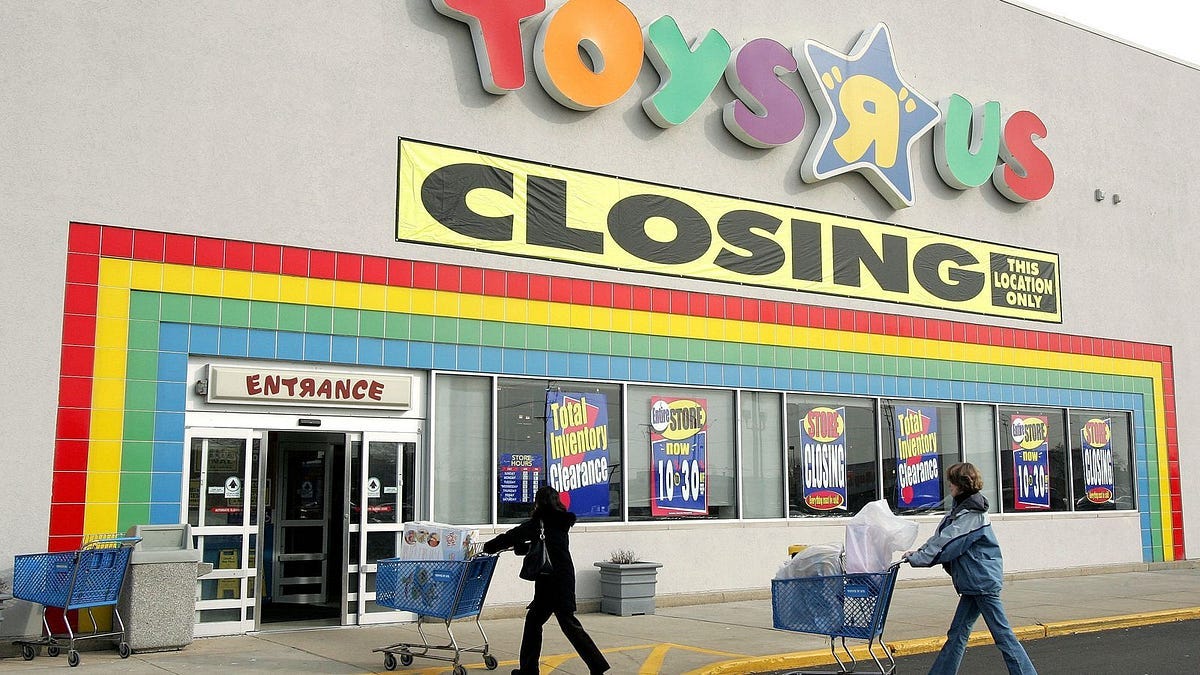
Credit: christianityai.medium.com
Rebirth Attempts
In 2018, the last Toys R Us store closed its doors in the United States. This marked the end of an era for the beloved toy retailer, leaving a nostalgic void in the hearts of many.
The beloved toy store, Toys R Us, faced a major setback with its closure in 2018. Yet, the iconic brand’s story didn’t end there. Several attempts were made to bring it back to life. These efforts focused on adapting to changing times and consumer behaviors. Through innovative strategies and collaborations, Toys R Us aimed to re-enter the market.New Business Models
Toys R Us explored fresh business approaches to capture attention. They moved from large retail stores to smaller, interactive spaces. These new stores offered hands-on experiences for kids and families. This strategy aimed to create a fun and engaging environment. Customers could interact directly with toys before purchase. It was a step towards blending physical and digital retail experiences.Partnerships And Collaborations
Collaborating with other companies became a key strategy. Toys R Us partnered with retail giants like Target. This allowed them to leverage existing retail networks. Their online presence improved through these partnerships. They also collaborated with toy manufacturers for exclusive products. Such collaborations enhanced their product offerings and market reach.Future Prospects
The future of Toys R Us holds promise with these efforts. Their focus on immersive experiences sets them apart. Adapting to digital trends keeps them relevant. There’s a potential for growth in global markets too. With strategic planning, they aim to capture the hearts of new generations. The rebirth of Toys R Us shows a blend of nostalgia and innovation.Frequently Asked Questions
When Did Toys R Us Close In The Us?
Toys R Us closed its remaining stores in the US in June 2018. The closure marked the end of its retail presence. However, the brand has attempted to revive its operations through various ventures since then.
Why Did Toys R Us Shut Down?
Toys R Us shut down due to financial struggles and increased competition. It faced challenges from online retailers and changing consumer preferences. Ultimately, it filed for bankruptcy in 2017, leading to the closure of its stores.
Are Any Toys R Us Stores Still Open?
Some Toys R Us stores have reopened in select locations. The brand has been making efforts to revive its presence. These stores offer a new shopping experience, focusing on interactive and experiential retail.
How Is Toys R Us Trying To Return?
Toys R Us is trying to return through strategic partnerships and new store formats. The brand aims to re-engage with customers by offering unique experiences. It has also been exploring online retail opportunities.
Conclusion
Toys R Us holds a special place in many hearts. Its closure marked an end of an era for toy lovers. Many remember the joy of exploring its aisles. Though the last store closed in 2018, its memories live on.
Fans can still find toys online or in other stores. The spirit of Toys R Us continues in these cherished memories. It reminds us of simpler times filled with wonder. As we look back, the magic of childhood stays with us.
Always cherished.