Have you ever wished to bring your favorite characters to life? Imagine holding a toy figure in your hands, crafted by none other than you!
Making your own toy figure isn’t just a creative hobby; it’s an exciting adventure that lets you express your personality and creativity. Plus, it’s a fantastic way to create unique gifts or collectibles that you won’t find anywhere else. You might wonder if it’s difficult or requires special skills.
The truth is, with the right guidance, anyone can do it. Whether you’re a beginner or have some crafting experience, this guide will show you the simple steps to turn your ideas into reality. You’ll discover the secrets to choosing the right materials, easy techniques for shaping and detailing, and how to add those finishing touches that make your toy figure pop. Curious to see how you can transform your vision into a tangible masterpiece? Keep reading to unlock the magic of toy figure creation, and see how this fun activity can become a rewarding part of your life!
Choosing Materials
Selecting the right materials is crucial in crafting a toy figure. Opt for clay or polymer for a flexible base. Acrylic paints provide vibrant colors, while fine brushes ensure detailed designs.
Choosing materials is a crucial step in crafting your own toy figure. The quality and type of materials you choose will significantly affect the final product’s durability, appearance, and safety. Whether you’re going for classic plastic or exploring eco-friendly options, knowing the pros and cons of each material can guide you in creating a toy figure that is both fun and safe.
Plastic Options
Plastic is a popular choice due to its versatility and ease of molding. You can find various types, including ABS and PVC, that offer strength and flexibility. ABS is known for its toughness, making it ideal for toys that need to withstand rough handling. PVC, on the other hand, is more flexible, perfect for parts that require a bit of bend. Consider the finish you desire; shiny or matte surfaces can be achieved depending on the type of plastic and finish applied. Think about the painting process too. Some plastics require special primers before painting, while others don’t.
Eco-friendly Alternatives
If sustainability is important to you, eco-friendly materials are worth considering. Biodegradable plastics and recycled materials are becoming increasingly popular. These choices not only help the environment but also add a unique touch to your toy figure. Imagine creating a toy that aligns with your values and stands out due to its distinctive materials. Paper mache and wood are excellent choices for those who prefer a more natural feel. They provide a different texture and can be painted or stained to suit your design. Are there ways you can innovate and use everyday materials at home to create something special?
Safety Considerations
Safety should never be overlooked, especially if the toy figure is intended for children. Ensure materials are non-toxic and free from harmful chemicals. Investigate the safety certifications of the materials you choose. For instance, plastics should be BPA-free, and paints should be lead-free. Small parts pose choking hazards. Be mindful of the size and shape of detachable pieces. Always test the durability of the materials to prevent breakage during play. Could you imagine the disappointment of your toy figure breaking after just one play session? Choosing the right materials not only enhances the toy figure’s quality but also ensures it is safe for everyone to enjoy.
Designing Your Toy
Create your own toy figure with clay, paint, and imagination. Mold the clay into your desired shape, then paint it for vibrant colors. Customize every detail to make your toy unique and personal.
Designing your toy is an exciting journey of creativity and imagination. You bring your ideas to life, crafting unique figures that reflect your vision. This process involves sketching, digital designing, and prototyping. Each step is crucial to make your toy figure come alive.
Sketching Ideas
Start with a pencil and paper. Sketch rough outlines of your toy figure. Focus on shapes and proportions. Experiment with different poses and expressions. Create multiple sketches to explore varied concepts. This helps refine your vision.
Digital Design Tools
Use digital tools to enhance your sketches. Programs like Photoshop or Illustrator help. They provide precision and flexibility. Digitally trace your best sketch. Add colors and details. Adjust dimensions for accuracy. Digital designs allow easy modifications.
Prototyping Techniques
Prototype your toy using materials like clay or plastic. Mold the basic shape and structure. Test different materials for durability. Use 3D printing for complex designs. It creates accurate models from your digital designs. Refine your prototype until satisfied.
Creating A Mold
Creating a mold for your toy figure involves using clay or silicone to form the shape. Ensure all details are captured for a perfect fit. Once set, remove and use the mold to pour in your chosen casting material.
Creating a mold is a crucial step in making your own toy figure. It allows you to replicate your design and bring it to life. Whether you’re a beginner or experienced, understanding the basics of mold creation can enhance your crafting skills. Let’s explore different methods for creating molds to shape your unique toy figure.
Mold Making Materials
Choosing the right materials ensures your mold captures every detail. Common options include silicone, plaster, and clay. Silicone is flexible and durable, perfect for intricate designs. Plaster is easy to use but less flexible, ideal for simple shapes. Clay works well for beginners, allowing for quick adjustments. Each material has its pros and cons, so select one that fits your project needs.
Simple Mold Techniques
Simple techniques are great for beginners. Start with a one-part mold, using a box to hold your material. Pour your chosen material over the toy figure, covering it completely. Allow it to set, then remove the mold. This method is straightforward and works well for basic shapes. Ensure your figure is stable to avoid any shifts during the process.
Advanced Mold Methods
Advanced methods require more skill but offer detailed results. A two-part mold is ideal for complex figures. Begin by covering half of your toy figure with clay, creating a base. Pour your mold material over this half, then let it set. Repeat for the other half. Once both sides are ready, join them to create a detailed mold. This technique captures more intricate designs, perfect for ambitious projects.

Credit: www.indiatimes.com
Casting The Toy Figure
Creating your own toy figure involves designing, molding, and painting. Choose a material like clay or resin for shaping. Personalize with colors and details to bring your toy to life.
Creating your own toy figure is a rewarding journey that brings your imagination to life. Casting the toy figure is a pivotal step that transforms your initial design into a tangible model. This process involves preparing the perfect mix of materials, pouring them accurately, and allowing them to set properly. Each stage is crucial to achieving a polished and durable toy figure.
Mixing Casting Materials
Selecting the right casting materials can make or break your project. Common choices include resin and plaster, each offering unique properties. Resin is durable and offers intricate detail, while plaster is more affordable and easy to use. Before mixing, ensure you have all necessary tools ready, such as measuring cups and mixing sticks. Carefully measure your components according to the manufacturer’s instructions. A simple tip is to mix a small batch first to test for any unforeseen issues, like air bubbles or poor consistency.
Pouring Techniques
Pouring is a delicate art that requires a steady hand and patience. Begin by slowly pouring your mixed material into the mold, starting from one corner. This method helps minimize air bubbles, ensuring a smooth finish. For complex molds, consider using a syringe to reach narrow sections. Tap the mold gently on a flat surface to release trapped air. Have you ever noticed small imperfections in store-bought figures? Avoiding them in your creation often comes down to mastering this step.
Curing And Setting
The curing process can be a test of patience, but rushing it can lead to cracks or incomplete figures. Allow your casting to sit undisturbed for the recommended time. Checking the manufacturer’s guidance here is crucial, as different materials have varying curing times. Place the mold in a stable environment away from direct sunlight or extreme temperatures. Think of this stage as letting your creation ‘settle’ into its final form. The reward of unveiling a perfectly cast figure is well worth the wait. Have you ever been tempted to peek too soon? Resist the urge. It’s like opening a present prematurely and finding it incomplete.
Assembling Parts
Begin by gathering essential parts like limbs, torso, and head. Fit these pieces together, ensuring secure connections. Use glue or screws to attach, allowing your toy figure to stand firmly.
Assembling parts is a crucial step in creating your own toy figure. It brings your design to life, transforming ideas into tangible creations. Each piece must fit together perfectly to ensure the figure functions as intended. Let’s delve into the steps involved in assembling parts.
Connecting Joints
Joints are key in providing movement to your toy figure. Consider the range of motion you desire. Use ball-and-socket joints for a wide range of flexibility. Align each part carefully before connecting. Ensure the joints are secure but not too tight. This allows smooth movement without causing wear. Test the joints by moving the limbs. Adjust if necessary to achieve the perfect fit.
Using Adhesives
Adhesives are essential in assembling parts securely. Choose the right adhesive for your material. For plastic, a strong plastic glue works best. Apply a thin layer to the surfaces you want to join. Press the pieces together firmly. Hold them in place until the adhesive sets. Allow sufficient time for the adhesive to cure fully. This ensures a strong, lasting bond.
Ensuring Stability
Stability is vital for a functional toy figure. Start by balancing the weight distribution across the figure. Check that it stands upright without support. Adjust the positioning of limbs if needed. Reinforce weak points with additional support. You might use small rods or additional adhesive. Test the figure’s balance by gently nudging it. Make any final adjustments to maintain stability.
Painting And Finishing
Painting and finishing bring your toy figure to life. Choose vibrant colors to make details pop. Use fine brushes for precision and let each layer dry completely. Finish with a clear sealant for durability and a professional look.
Painting and finishing your toy figure brings it to life. This step adds personality and character to your creation. The right techniques make your figure look professional and polished. Let’s dive into the essentials of painting and finishing.
Choosing Paint Types
Selecting the right paint is crucial. Acrylics are popular for toy figures. They dry quickly and offer vibrant colors. Enamel paints provide a glossy finish but take longer to dry. Consider the effect you want before deciding. Water-based paints are easier to clean up. They are also safer for beginners.
Painting Techniques
Start with a primer to ensure the paint adheres well. Use thin layers of paint for better control. This also prevents details from being obscured. A small brush helps with intricate areas. For larger areas, a flat brush works best. Dry brushing adds highlights and depth. Practice makes perfect, so don’t rush.
Sealing The Finish
Sealing protects your paint job. A clear varnish or sealant keeps colors vibrant. It also prevents scratches and fading. Choose between matte, satin, or glossy finishes. Apply the sealant in a well-ventilated area. Let it dry completely for the best results. This final touch ensures your toy figure lasts long.
Adding Details
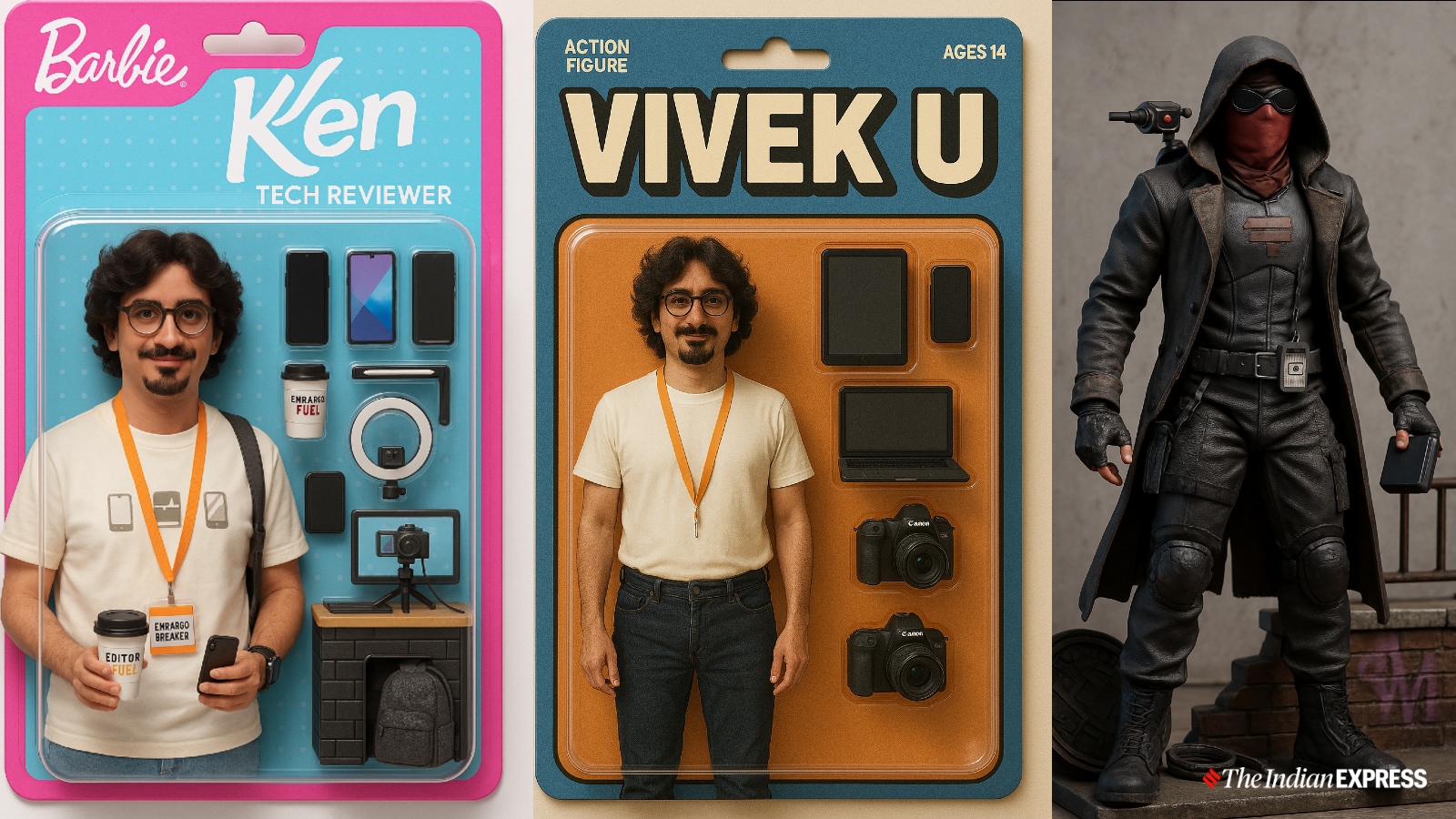
Adding Details Enhance your toy figure by carefully adding small details. Use paint, markers, or clay to create realistic features. Add textures like hair or clothing patterns to bring your toy to life.
Creating your own toy figure is a rewarding experience. You start with a blank canvas, which becomes a character full of life. Adding details makes your toy figure unique and lively. This section covers applying decals, attaching accessories, and fine detailing methods. These techniques transform a simple figure into a personalized masterpiece.
Applying Decals
Decals add character to your toy figure. They provide intricate designs without the need for painting skills. Choose decals that match your toy’s theme. Prepare the surface by cleaning it. Apply the decal carefully to avoid wrinkles. Use a soft brush to smooth out any bubbles.
Accessory Attachments
Accessories enhance your toy figure’s personality. Create small items like hats or weapons. Use materials such as clay or fabric. Attach them securely using glue or small hooks. Ensure they fit well and don’t overpower the figure’s proportions.
Fine Detailing Methods
Fine details bring realism to your toy figure. Use a thin brush for painting tiny features. Consider adding shading to create depth. Sculpt small textures for added dimension. Focus on areas like the face and hands. These details make your toy figure stand out.
Credit: startupnews.fyi
Quality Control
Ensure precision by checking each part for defects during toy figure creation. Use reliable materials for durability and safety.
Quality control is crucial in toy figure creation. It ensures your toy is safe, durable, and free from defects. This process involves several important steps to guarantee the toy meets high standards. Here’s how you can manage quality control effectively.
Inspecting For Flaws
Look for any scratches or marks. Check the paint for uneven spots. Examine each part to ensure it fits perfectly. Use good lighting for better visibility. Rotate the toy to see all angles. Feel the surface for any rough patches. Ensure joints move smoothly without noise.
Testing Durability
Press gently on all parts to check strength. Drop the toy from a small height. Ensure it withstands minor impacts. Twist and bend movable parts. They should return to their original position. Test repeatedly to confirm durability. Simulate real play conditions for accurate results.
Ensuring Safety Standards
Ensure small parts are securely attached. They should not detach easily. Verify the materials are non-toxic. Check for sharp edges. They can hurt children during play. Ensure the toy doesn’t pose choking hazards. Confirm all safety labels are visible. Follow industry safety guidelines closely.
Showcasing Your Creation
Crafting a toy figure involves selecting materials and designing features. Shape the figure using clay or plastic, then add details with paint. This process allows you to express creativity and develop unique characters.
Showcasing your toy figure creation is a rewarding part of the crafting journey. It’s your chance to share your hard work and creativity with the world. But how can you make sure your masterpiece gets the attention it deserves? Let’s dive into some practical tips that will help you highlight your creation in the best possible light.
Photography Tips
Good photography can make all the difference. Start by choosing the right background—something simple that doesn’t distract from your figure. Natural light is your best friend, so shoot near a window for soft, even lighting. Experiment with different angles to capture your figure’s best features. A close-up can highlight intricate details, while a wide shot might show off the entire setup. Use a tripod to keep your camera steady, ensuring crisp, clear images.
Creating Display Cases
A display case can elevate your toy figure from a simple creation to a showcased piece of art. Consider using clear acrylic cases that offer protection while allowing 360-degree visibility. This keeps your figure safe from dust and curious fingers. Think about adding a small plaque with details about your figure. It could include the name, materials used, or a short story behind its creation. This not only adds a professional touch but also engages viewers, inviting them to learn more about your work.
Sharing On Social Media
Social media is a powerful tool for sharing your creation with a larger audience. Platforms like Instagram and Pinterest are great for visual content. Use hashtags relevant to your niche to reach people who are interested in toy figures. Engage with your audience by asking questions or encouraging them to share their thoughts. This not only boosts interaction but also builds a community around your work. Remember to respond to comments; it shows you value the feedback and helps foster connections.
Credit: www.tiktok.com
Frequently Asked Questions
What Materials Are Needed For Toy Figure Making?
To make a toy figure, you’ll need polymer clay, sculpting tools, paints, and brushes. Use wire for armature and sandpaper for smoothing. Optional items include sealant for durability and embellishments for details. These materials help create a durable and visually appealing toy figure.
How Do I Start Sculpting A Toy Figure?
Begin by sketching your design on paper. Next, create a wire armature for support. Apply clay over the armature, shaping it gradually. Use sculpting tools to refine details. Finally, smooth the surface with sandpaper. Starting with a plan ensures a more structured and successful sculpture.
Can I Paint My Toy Figure?
Yes, painting enhances your toy figure’s appearance. Use acrylic paints for vibrant colors and easy application. Start with a base coat, then add details. Seal the paint with a protective layer to ensure durability. Painting allows you to personalize and add character to your toy figure.
How Do I Ensure Durability Of The Toy Figure?
Bake polymer clay according to package instructions for strength. Use sealant to protect paint and enhance longevity. Handle gently to prevent damage. Display in a stable environment, avoiding extreme conditions. These steps help maintain your toy figure’s durability over time.
Conclusion
Creating your own toy figure is a fun journey. You learn new skills and unleash creativity. Start with simple designs. Gradually, you can try more complex figures. Use materials you already have. This keeps the process affordable and eco-friendly. Share your creations with friends or family.
They might inspire new ideas or techniques. Remember, practice makes perfect. Every figure will improve your craft. Enjoy the process, and have fun bringing your ideas to life. Your own toy figure, made with love and imagination, is truly unique.
Keep experimenting and creating!