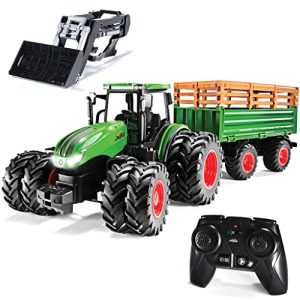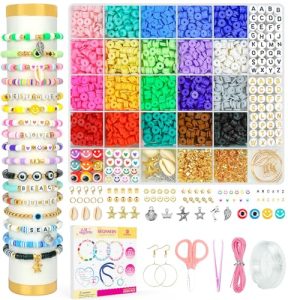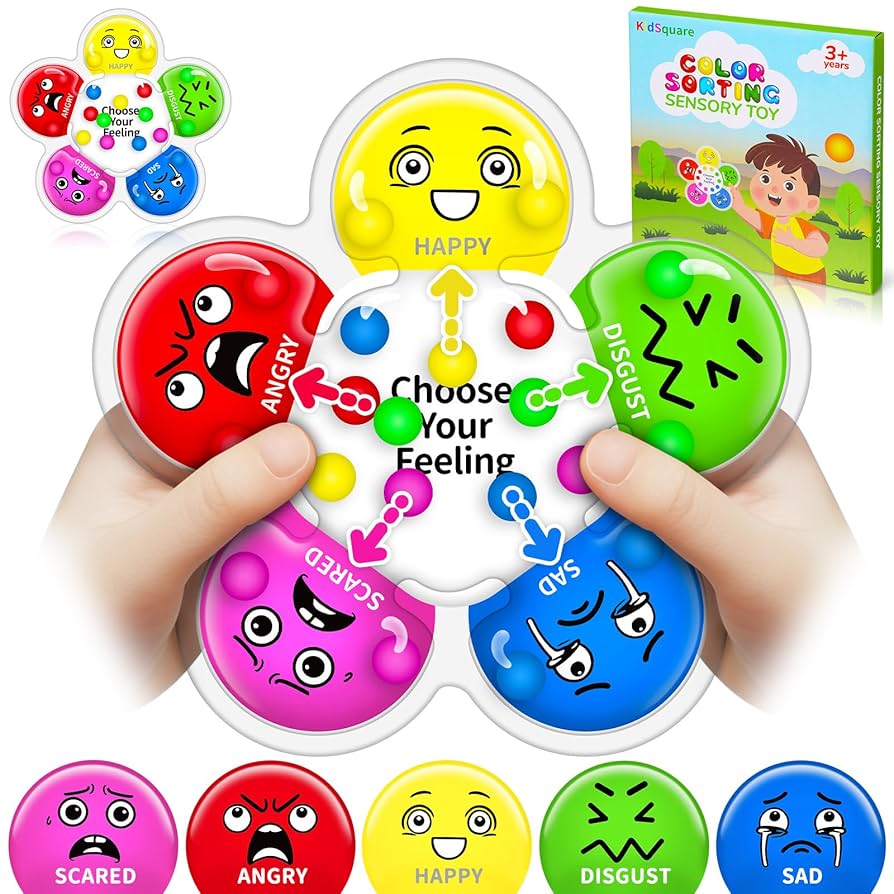
Imagine a world where learning feels like play, where your senses are engaged, and curiosity sparks joy. This is the world of sensory toys.
Whether you’re a parent looking to support your child’s development, or someone curious about enhancing sensory experiences, sensory toys offer something truly special. These toys are not just fun; they are powerful tools that can help improve focus, reduce anxiety, and encourage learning through exploration.
But what exactly are sensory toys, and how can they benefit you or your loved ones? Stay with us, and you’ll discover why these toys are much more than just child’s play. Dive in to learn how sensory toys can transform everyday experiences into moments of connection and growth.

Credit: www.amazon.com
Sensory Toys Defined
Sensory toys are designed to stimulate the senses. They help enhance skills like touch, sight, and hearing. Ideal for children needing sensory support, these toys offer varied textures, colors, and sounds.
Understanding sensory toys can open a world of developmental benefits for children. These toys are not just about play; they’re tools that help engage and develop a child’s senses. Whether it’s sight, sound, touch, or even taste, each toy is designed to stimulate specific senses, providing children with the input they need to grow and learn. But what exactly makes a toy a “sensory toy”?What Are Sensory Toys?
Sensory toys are specially designed tools that engage one or more of a child’s senses. They come in a variety of forms, from squishy stress balls and textured mats to brightly colored blocks and musical instruments. Their main purpose is to provide sensory input that can help children process the world around them more effectively.How Do They Work?
By focusing on specific senses, these toys can calm children who are overwhelmed or energize those who might seem under-stimulated. For example, a child who is sensitive to noise might find comfort in a sound-dampening sensory tent, while another might benefit from the gentle vibrations of a sensory pillow. The key is to match the toy to the child’s sensory needs.Benefits Of Sensory Toys
Sensory toys can help improve focus, build fine motor skills, and encourage social interactions. They can also aid in the development of hand-eye coordination and problem-solving abilities. Imagine watching your child discover the soothing texture of a sensory blanket or the joy of a colorful light-up ball. Each of these experiences contributes to their growth in unique ways.Choosing The Right Sensory Toy
Selecting the right sensory toy involves considering your child’s specific needs and preferences. Think about what senses your child seeks or avoids. Is your child visually stimulated or more attuned to auditory experiences? You might find that a toy that lights up or makes gentle sounds is exactly what they need.Personal Experience And Insights
I remember when I first introduced a sensory toy to my nephew. He was fascinated by the feel of a textured ball and spent hours exploring it. It was a simple toy, but it made a significant difference in his ability to focus and relax. This experience highlighted the profound impact sensory toys can have on a child’s development. Have you noticed any particular toys that your child is drawn to? It might be worth exploring why they are attracted to those specific sensory inputs.Types Of Sensory Toys
Sensory toys help children develop their senses. They include fidget spinners, stress balls, and textured blocks. These toys engage touch, sight, and sound, fostering learning and relaxation.
Sensory toys are designed to stimulate the senses. They help children explore and understand the world around them. These toys can improve cognitive skills and promote relaxation. Different types focus on specific senses, offering varied experiences.Visual Stimulation
Visual toys captivate with bright colors and interesting shapes. They might include light-up balls or kaleidoscopes. These toys enhance visual tracking and focus. They can also boost creativity and imagination.Auditory Stimulation
Auditory toys produce sounds to engage listening skills. Musical instruments and squeaky toys are popular choices. They help develop sound recognition and auditory processing. These toys can be soothing or energizing.Tactile Stimulation
Tactile toys offer varied textures and surfaces. Think of squishy balls or textured blocks. They improve fine motor skills and hand-eye coordination. These toys encourage exploration through touch.Olfactory Stimulation
Olfactory toys stimulate the sense of smell. Scented playdough or smell kits are examples. They enhance smell recognition and memory. These toys can be calming and provide a multi-sensory experience.Gustatory Stimulation
Gustatory toys involve taste, often through safe, flavored items. Taste-safe chewable toys are common. They help with oral motor development. These toys can be comforting and aid in sensory integration.Benefits For Child Development
Understanding the benefits of sensory toyscan transform how you view playtime with your child. These toys are not just entertaining; they are a powerhouse of developmental advantages. From motor skills to emotional regulation, sensory toys offer a myriad of benefits that nurture your child’s growth.
Enhancing Motor Skills
Does your child enjoy squeezing a stress ball or playing with clay? These activities are more than fun—they help enhance fine motor skills. As children manipulate and explore different textures and shapes, they strengthen the small muscles in their hands and fingers.
Consider how threading beads onto a string can improve hand-eye coordination. Sensory toys like these are excellent tools for developing precision and control, crucial skills for everyday tasks like writing and buttoning a shirt.
Boosting Cognitive Growth
Sensory toys are like a workout for the brain. They stimulate your child’s curiosity and problem-solving abilities. When a child explores a toy with different colors, sounds, or textures, their brain is actively processing and learning.
Think about a simple puzzle. While it may look straightforward, solving it engages a child’s memory, attention, and logical thinking. Sensory toys provide an engaging way to boost cognitive development.
Improving Social Interaction
Have you noticed how children gather around a unique toy? Sensory toys often act as a social magnet, encouraging kids to interact and share. This interaction is vital for developing social skills and learning about cooperation and communication.
Activities like playing with a sensory bin can foster conversations and teamwork. Such experiences teach children how to express themselves and understand others, laying the foundation for effective social interaction.
Encouraging Emotional Regulation
Sensory toys can be a calming oasis for children who struggle with emotions. They offer a safe way for kids to express and manage their feelings. A child might find solace in the repetitive motion of a fidget spinner or the soothing texture of a soft toy.
These toys can help children recognize and regulate their emotions, promoting a sense of control and calm. Next time your child feels overwhelmed, consider how a sensory toy could provide comfort and help them regain balance.
Using Sensory Toys Effectively
Sensory toys are designed to engage the senses through touch, sight, and sound. They help children develop sensory processing skills and enhance focus. Ideal for promoting relaxation and reducing anxiety, these toys are beneficial for children with special needs.
Using sensory toys effectively can greatly enhance the developmental experiences of children. These toys are designed to stimulate the senses, such as sight, sound, touch, and even smell, providing a multisensory experience that promotes learning and growth. Knowing how to use them effectively can make a significant difference in your child’s daily life and development.Age-appropriate Choices
Choosing the right sensory toy for your child’s age is crucial. A toy that is too advanced can frustrate them, while one that is too simple may not hold their interest. For infants, consider toys with contrasting colors and soft textures. Preschoolers might enjoy toys that make sounds or involve simple puzzles. Think about what captures your child’s attention during playtime. Is it bright colors, interesting sounds, or unique textures? Use these observations to guide your choices.Incorporating Into Daily Routine
Integrating sensory toys into your child’s daily routine doesn’t require a rigid schedule. You can add them during playtime, bath time, or even while waiting for dinner. Consider setting aside a few minutes each day for sensory play. This can help create a sense of anticipation and excitement. Encourage your child to explore the toys freely. This not only fosters independence but also allows them to discover new ways to interact with the toys.Monitoring Engagement
Keep an eye on how your child interacts with their sensory toys. Are they excited and engaged, or do they quickly lose interest? Observe which toys they return to frequently and which they ignore. This can give you insights into their preferences and developmental needs. Ask yourself, what can you do to make the play more engaging? Sometimes, simply playing alongside them can make all the difference.Sensory Toys For Special Needs
Sensory toys help special needs children engage their senses. They provide stimulation for touch, sight, and sound. These toys can enhance focus and calmness, supporting learning and development.
Sensory toys play a crucial role in supporting children with special needs. They help in stimulating the senses and enhancing learning experiences. These toys are carefully designed to cater to individual needs, offering tactile, visual, and auditory feedback. For children with special needs, sensory toys can be an invaluable tool. They provide comfort, improve focus, and promote emotional regulation.Autism Spectrum Disorder
Children with Autism Spectrum Disorder often face sensory challenges. Sensory toys can help them manage overwhelming stimuli. Toys like fidget spinners and stress balls provide tactile engagement. They help in calming anxiety and improving concentration. Visual toys like lava lamps or bubble tubes can be soothing. They offer gentle visual stimulation that many find comforting.Adhd
For children with ADHD, sensory toys aid in channeling energy positively. Fidget tools can help maintain focus during tasks. They offer a quiet outlet for restlessness. Sensory chew necklaces provide oral stimulation. These help in reducing distractions and improving attention span. Weighted blankets or lap pads can also offer a sense of calm. They provide deep pressure stimulation, helping with relaxation.Sensory Processing Disorder
Children with Sensory Processing Disorder can benefit greatly from sensory toys. These toys help in balancing sensory input. Textured toys or squishy balls can enhance tactile exploration. They support sensory integration and coordination. Light-up toys with gentle sounds can aid in visual and auditory processing. These toys help in creating a controlled sensory environment. This aids in reducing sensory overload and promotes a sense of security.Diy Sensory Toy Ideas
Sensory toys are designed to engage the senses and support sensory development in children. They stimulate touch, sound, sight, and more, helping kids explore and learn. These toys can be simple, homemade, and customized to suit individual needs.
DIY sensory toys offer endless fun and learning. They spark creativity and imagination. Creating these toys at home is easy and cost-effective. You can use simple items to craft engaging sensory experiences. Let’s explore some creative ideas.Household Items As Toys
Many household items make great sensory toys. They are often overlooked, yet they provide rich sensory experiences. Try using rice, beans, or pasta for tactile play. Fill a container with them and let kids explore. The different textures stimulate their senses. Old scarves or fabric pieces work well too. Kids love the feel and colors. Use them for dress-up or pretend play. Empty cardboard boxes are another option. They become castles, cars, or anything kids imagine. Water bottles filled with colorful beads make calming shakers. Let children watch the colors mix as they shake. These simple items turn playtime into a sensory adventure.Crafting Homemade Sensory Experiences
Crafting sensory toys at home is rewarding. You can tailor each toy to your child’s needs. Try making a sensory bin. Fill it with sand, water, or shaving cream. Add small toys or spoons for scooping. This encourages exploration and fine motor skills. Create a sensory bottle using a clear plastic bottle. Fill it with water, glitter, and a few drops of food coloring. Seal the cap tightly. Kids can shake it and watch the glitter swirl. It’s mesmerizing and soothing. Make a DIY playdough with flour, water, and salt. Add food coloring for visual appeal. Kids can knead, roll, and shape it. This helps develop their creativity and hand strength. Crafting these toys is simple and fun. It brings joy to both kids and adults. Enjoy making these sensory experiences together.Selecting Safe And Durable Toys
Sensory toys stimulate children’s senses through texture, sound, and color. They’re designed to enhance tactile, auditory, and visual experiences. These toys foster exploration and cognitive development, making them ideal for safe and durable play.
Selecting safe and durable sensory toys is crucial for children’s well-being. Parents must consider various factors when choosing toys. Ensuring safety and longevity can prevent accidents and save money.Material Considerations
Toy materials must be non-toxic and hypoallergenic. Safe materials include silicone, rubber, and BPA-free plastic. These materials are soft and gentle on young skin. Avoid toys with sharp edges or small parts that can break. Check for any potential choking hazards.Safety Standards
Toys should meet international safety standards. Look for certifications like ASTM and CE. These labels indicate rigorous testing for safety. Check the age recommendations on packaging. Choose toys suitable for your child’s age group.Longevity And Maintenance
Durable toys withstand rough play and last longer. Look for toys with sturdy construction and solid stitching. Maintenance is key to extending toy life. Clean toys regularly with mild soap and water. Ensure toys are easy to wash and dry quickly. Regular maintenance prevents mold and bacteria build-up.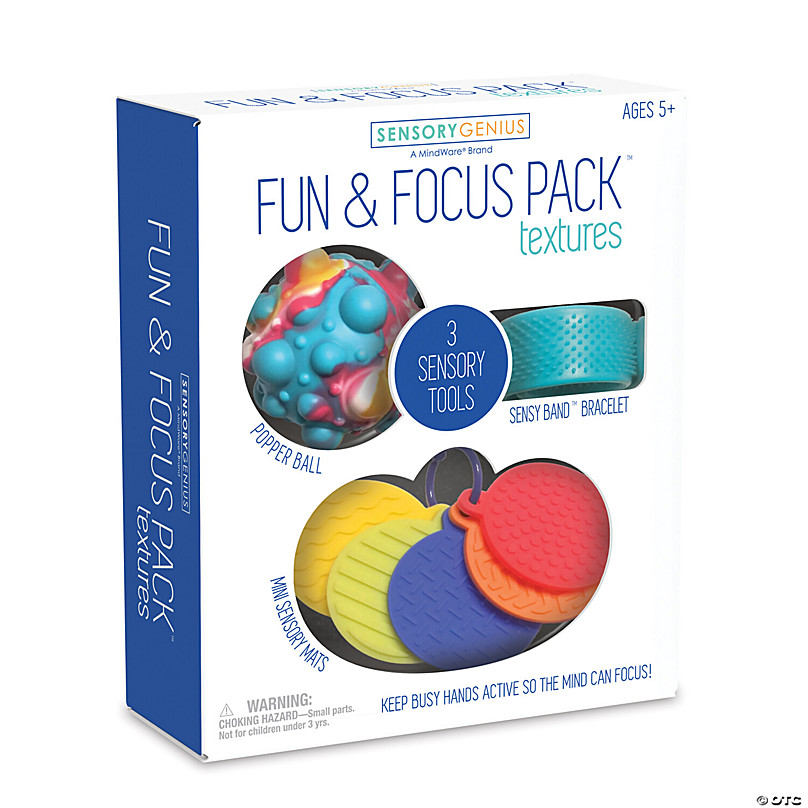
Credit: www.mindware.orientaltrading.com

Credit: www.amazon.com
Frequently Asked Questions
What Are Sensory Toys Used For?
Sensory toys help stimulate the senses, enhancing cognitive and motor skills. They’re great for children with sensory processing disorders. These toys provide calming effects, promoting focus and reducing anxiety. They are often used in therapy to improve tactile, visual, and auditory responses.
How Do Sensory Toys Benefit Children?
Sensory toys aid in the development of fine motor skills and hand-eye coordination. They encourage exploration and creativity while providing sensory input. These toys can also help improve concentration and reduce stress in children, making them a valuable tool for both learning and play.
Are Sensory Toys Suitable For Adults?
Yes, sensory toys benefit adults by reducing stress and anxiety. They provide a calming effect, enhancing focus and relaxation. Adults, especially those with sensory processing issues, find these toys helpful in managing sensory overload. They’re also useful in occupational therapy settings for adults.
Where Can I Buy Sensory Toys?
Sensory toys are available at toy stores, online marketplaces, and specialty shops. Websites like Amazon and educational supply stores offer a variety of options. Local therapy centers may also recommend specific brands or types suitable for individual needs.
Conclusion
Sensory toys offer vital benefits for child development. They boost creativity and improve motor skills. These toys engage various senses effectively. Children learn through touch, sound, and sight. Parents find them useful for calming their kids. Teachers use them to enhance learning experiences.
They come in many forms, like textured balls or musical toys. Sensory toys support different needs and ages. Choosing the right toy can be fun and educational. Parents and educators should explore these options. They provide playful learning while nurturing growth.