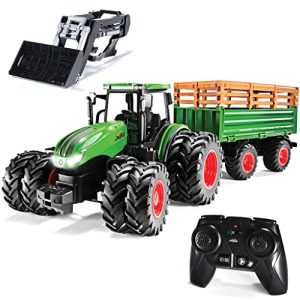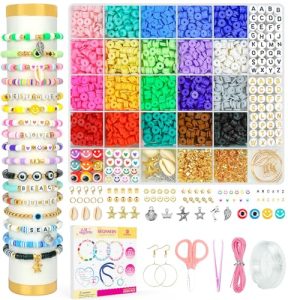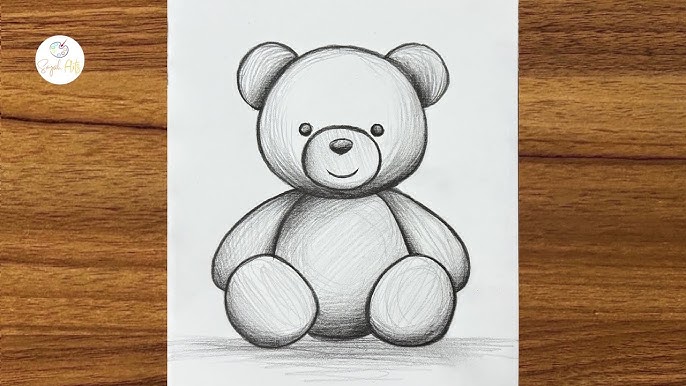
Imagine being able to transform your child’s favorite toy into a colorful, lively sketch right before their eyes. It sounds like magic, doesn’t it?
“A Toy Drawing” is not just about putting pencil to paper; it’s about capturing the essence of joy and wonder that toys bring into your child’s world. Whether you’re an artist looking to enhance your skills or a parent wanting to surprise your little one with a unique gift, understanding the art of toy drawing can unlock endless creative possibilities.
You might think it’s difficult, but with a few tips and tricks, you can create something truly special. Stick around, and you’ll discover how you can turn simple lines into cherished memories.
Benefits Of Toy Drawing
Toy drawing boosts creativity and fine motor skills in children. It encourages imagination and helps develop hand-eye coordination. This fun activity also enhances problem-solving abilities and concentration.
Toy drawing is more than just a fun activity for children; it offers a plethora of benefits that contribute to their overall development. From enhancing motor skills to boosting creativity, the simple act of drawing toys can have profound impacts on a child’s growth. Let’s dive into the specific advantages of toy drawing and see how it can be a powerful tool for your child’s development.
Enhancing Motor Skills
Drawing toys requires precision and control, which helps in developing fine motor skills. Holding a crayon or colored pencil and maneuvering it to create different shapes and patterns strengthens hand-eye coordination. Remember the time you watched your child grip a pencil for the first time? That small act was a big step in their motor skill journey.
Boosting Imagination
Toy drawing opens up a world of creativity where there are no limits to what your child can create. It encourages them to think beyond the ordinary and invent new shapes, colors, and stories for their toys. Imagine your child drawing a spaceship for their favorite teddy bear—suddenly, that bear is off on an intergalactic adventure!
Encouraging Emotional Expression
Through toy drawing, children can express emotions that they might not yet have the words for. Different colors and shapes can represent different feelings, allowing them to communicate their inner world. Have you ever noticed a child drawing with bold, bright colors one day and soft pastels the next? It’s their way of sharing how they feel. Incorporating toy drawing into your child’s routine isn’t just about creating pretty pictures. It’s an enriching activity that aids in their development across multiple areas. Have you tried sitting down with your child and drawing together? It might just be the key to unlocking a deeper connection with them.
Types Of Drawing Toys
A toy drawing set offers various types like magnetic boards, sketch pads, and light-up drawing tables. These tools inspire creativity in children, allowing them to explore art. Each type provides unique features, making drawing fun and engaging for young artists.
Drawing toys bring creativity to life for children. They offer endless possibilities for imaginative expression. These toys are perfect for young artists. They help develop fine motor skills and artistic ability. Below are some popular types of drawing toys that spark creativity.
Magnetic Drawing Boards
Magnetic drawing boards are a classic choice. They are mess-free and easy to use. Children draw with a magnetic pen. The surface erases with a simple swipe. This encourages repeated creativity. These boards are durable and lightweight. Perfect for travel and playdates.
Etch A Sketch
Etch A Sketch is a timeless drawing toy. It uses two knobs to create lines. Children can draw various shapes and designs. It’s a fun challenge to create art with precision. The iconic shake-to-erase feature is engaging. Kids love the instant do-over option.
Light-up Drawing Pads
Light-up drawing pads offer a unique experience. They use bright LED lights. Drawings come to life in the dark. These pads often include special markers. The glowing effects captivate young minds. They are ideal for nighttime creativity.
Choosing The Right Toy
Choosing the right toy for your child can feel like navigating a maze. With countless options available, ensuring that the toy you select is not only entertaining but also beneficial for your child’s development is crucial. It’s a decision that involves more than just picking something colorful and fun. You’ll want to consider age-appropriateness, safety, durability, and materials. Let’s dive into these aspects to help you make informed choices that will delight your child and give you peace of mind.
Age-appropriate Options
Not all toys are created equal when it comes to developmental stages. A toy that’s perfect for a toddler might not hold the same appeal or benefits for a preschooler. Look for toys that match your child’s age and abilities. For instance, stacking blocks are excellent for babies learning fine motor skills, while puzzle sets can challenge older kids’ problem-solving abilities. Have you noticed how a toy that’s too advanced often ends up ignored? That’s the risk of choosing without considering age appropriateness.
Safety Considerations
Safety is paramount when selecting toys. It’s not just about avoiding sharp edges or small parts; think about materials and design. Look for toys with non-toxic finishes and sturdy construction. Ask yourself: does this toy pose any choking hazards or risk of injury? Check for safety certifications and read reviews from other parents. Remember, a toy that’s safe allows you to relax and let your child explore freely.
Durability And Materials
Toys should withstand the test of time and the enthusiasm of young hands. Durable toys made from quality materials can save you money and reduce waste. Consider toys crafted from wood or high-grade plastic that can endure rough play. Have you ever bought a toy only to find it broken after a week? Investing in durability ensures your child can enjoy their favorite toy for longer. Plus, durable toys often come with added educational value, offering repeated learning opportunities.

Credit: www.freepik.com
Incorporating Toy Drawing In Education
Toy drawing enhances creativity and learning in education. It allows children to express ideas visually, fostering imagination. Through playful illustration, students develop cognitive skills and better understand complex concepts.
Incorporating toy drawing in education offers a fun learning method. Children engage creatively, boosting their development in a playful way. Teachers can use toy drawing to enhance various educational activities.
Developing Cognitive Skills
Toy drawing aids in developing cognitive skills. Children learn to recognize shapes and colors. It encourages memory enhancement through visual learning. Kids can also improve their problem-solving skills. They figure out how to represent objects on paper.
Integrating With Learning Activities
Toy drawing can be part of diverse learning activities. Teachers can use it in math to explain geometry. In science, it helps illustrate plant or animal life. It can enhance language learning by drawing words and pictures. Toy drawing makes learning more enjoyable and interactive.
Promoting Collaborative Play
Toy drawing promotes collaborative play among children. Kids work together on drawing projects. They share ideas and learn from each other. It builds teamwork and communication skills. This collaborative environment boosts social interactions and friendships.
Encouraging Creative Play
A toy drawing inspires creativity and imagination in children. It encourages them to explore colors, shapes, and ideas. This playful activity boosts artistic skills and self-expression.
Encouraging creative play through toy drawing helps children develop imagination. It lets them express themselves in unique ways. Kids learn to think outside the box. They explore colors, shapes, and ideas. This activity boosts their confidence and creativity. It also enhances their problem-solving skills. Creating a supportive atmosphere is key to sparking their creativity.
Creating A Stimulating Environment
Offer a variety of drawing tools. Consider crayons, markers, and colored pencils. Set up a dedicated drawing space. Keep it clutter-free and organized. Display art supplies within easy reach. This invites children to dive into drawing. Include inspiring elements like art books or posters. These can ignite new ideas and themes. The space should be bright and inviting. Encourage sharing and collaboration among kids. They learn from each other and grow together.
Balancing Guidance And Freedom
Provide gentle guidance without restricting creativity. Suggest themes or ideas to start. Let them choose their path from there. Encourage experimentation with different techniques. Praise efforts and not just results. This builds confidence and self-expression. Allow them to make mistakes and learn. Offer help only when needed.
Celebrating Unique Creations
Appreciate each child’s artwork as unique. Display their creations proudly. Set up a special wall or board for this. Organize small exhibitions for family and friends. This motivates children to keep creating. Celebrate their achievements with encouraging words. Recognize the thought and effort behind each piece. This boosts their self-esteem and creativity.

Credit: www.youtube.com

Credit: www.dreamstime.com
Frequently Asked Questions
What Is A Toy Drawing?
A toy drawing refers to the illustrations or sketches created for toys. These drawings serve as designs for toy manufacturing, capturing the toy’s features and aesthetics. Artists use toy drawings to visualize and conceptualize toy ideas before production.
Why Are Toy Drawings Important?
Toy drawings are crucial for the toy design process. They help in visualizing concepts, ensuring the toy’s functionality and appeal. These sketches guide manufacturers in creating toys that are both engaging and safe for children.
How Are Toy Drawings Created?
Toy drawings are created using various techniques. Artists use pencils, digital tools, or software to illustrate toy designs. They focus on details, dimensions, and colors, ensuring the toy’s attractiveness and playability.
Can Toy Drawings Enhance Creativity?
Yes, toy drawings stimulate creativity by encouraging imaginative thinking. Artists and designers explore new ideas and concepts, expanding their creative horizons. Drawing toys can inspire innovative designs and foster creative problem-solving skills.
Conclusion
A toy drawing sparks creativity in young minds. Kids explore colors and shapes. It offers a fun, hands-on learning experience. Parents can join the creative journey. This activity strengthens bonds and boosts imagination. Art skills grow as children draw more.
Their confidence increases with each masterpiece. A toy drawing opens doors to endless possibilities. It fuels dreams and nurtures talent. Encourage your child to pick up crayons today. Watch their world unfold on paper. A simple drawing can inspire a lifetime of art.
Let creativity lead the way in your child’s development.