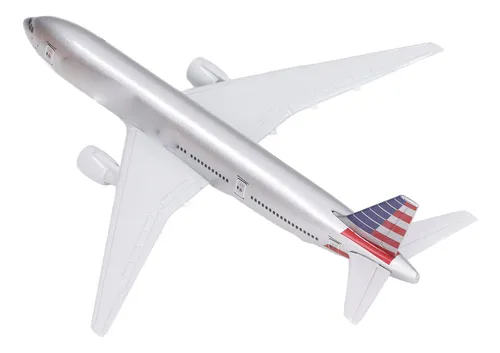
A Toy Airplane: Unlocking the Joy of Flight
Imagine holding a tiny world of adventure right in your hands. A toy airplane isn’t just a piece of plastic or metal; it’s a gateway to limitless imagination.
As you gaze at its wings, you can almost hear the roar of engines and feel the excitement of soaring through the clouds. Remember those moments when you were a child, dreaming of flying high and exploring the skies? This simple toy can bring back those feelings and more.
Why is a toy airplane so captivating? What stories can it inspire in your household? Dive into this article to discover the magic behind these miniature marvels and how they can transform playtime into a thrilling adventure. Get ready to reignite your imagination and see why this timeless toy is a favorite for generations.
History Of Toy Airplanes
The history of toy airplanes is rich and fascinating. These miniature marvels capture the imagination of children and adults alike. They have been a source of joy for generations. Toy airplanes have evolved alongside real aviation advancements. Their journey is filled with creativity and innovation.
Early Beginnings Of Toy Airplanes
The concept of toy airplanes dates back to the late 19th century. Children crafted them from simple materials like wood and paper. These early toys were often handmade and lacked intricate details. They represented the basic shape of real aircraft. Despite their simplicity, they sparked curiosity about flying machines.
The Impact Of The Wright Brothers
The Wright Brothers’ first flight in 1903 inspired many. Their success led to a surge in aviation interest. Toy makers began producing more detailed airplane models. These toys mirrored the designs of early aircraft. The fascination with flight grew, and so did the demand for toy planes.
World War Influence On Toy Airplanes
World Wars I and II played a significant role in toy airplane development. Military aircraft designs influenced toy models. Companies produced replicas of fighter planes for children. These toys became popular, reflecting the era’s aviation advancements.
Post-war Innovations
After the wars, toy airplanes became more sophisticated. Manufacturers used plastic and metal for greater durability. The introduction of battery-powered and remote-control models marked a new era. These innovations allowed children to simulate real flight experiences.
Modern Toy Airplanes
Today’s toy airplanes incorporate advanced technology. Many feature electronic components and realistic sounds. Some even mimic real flight patterns. The variety ranges from simple gliders to complex remote-controlled jets. This evolution continues to inspire future aviators.
Types Of Toy Airplanes
Exploring the world of toy airplanes reveals a variety of options. Each type offers a unique experience, catering to different preferences and skills. From vintage charm to modern technology, these toys captivate both young and old. Let’s dive into some popular types of toy airplanes.
Wind-up Models
Wind-up models bring nostalgia and simplicity to playtime. These airplanes are powered by a simple winding mechanism. Children enjoy watching them glide with a gentle release. They are often made of durable materials, ensuring long-lasting play. Perfect for those who appreciate classic toys.
Remote-controlled Options
Remote-controlled airplanes offer a thrilling experience for enthusiasts. They allow users to control flight paths from a distance. These models come in various sizes and complexities. Some are designed for beginners, while others challenge seasoned pilots. An excellent choice for interactive and engaging play.
Balsa Wood Kits
Balsa wood kits provide a hands-on building experience. These kits let users assemble and customize their airplanes. Made from lightweight balsa wood, they offer flexibility in design. Perfect for creative minds and those who enjoy crafting. A rewarding experience, both in building and flying.
Materials Used
Plastic, lightweight wood, and metal are common materials in toy airplanes. Bright paints add a lively finish. Durable parts ensure safe play.
Exploring the materials used in crafting toy airplanes reveals fascinating details. Each material contributes unique properties, influencing durability, design, and playability. Understanding these materials helps you choose the best toy airplane for your needs.Plastic
Plastic is widely used in toy airplanes. It’s affordable and easy to mold into various shapes. This material allows for vibrant colors and sleek designs. Lightweight plastic makes airplanes easy for children to handle and fly. Despite its lightness, plastic is robust, ensuring long-lasting fun. Many toy airplanes with intricate details are crafted from high-quality plastic.Wood
Wooden toy airplanes offer a classic appeal. They are often hand-crafted, adding a unique touch to each piece. Wood provides a sturdy structure, ideal for children who play rough. Its natural texture and finish lend authenticity to vintage-style toy airplanes. Wooden airplanes may lack intricate details but make up for it with charm and durability.Foam
Foam is a popular choice for toy airplanes designed for outdoor play. It’s incredibly lightweight, making it perfect for gliding through the air. Foam airplanes are often larger, allowing for impressive flight distances. This material is soft, reducing the risk of injury during play. Foam is flexible, often used for toy airplanes that can withstand crashes and tumbles.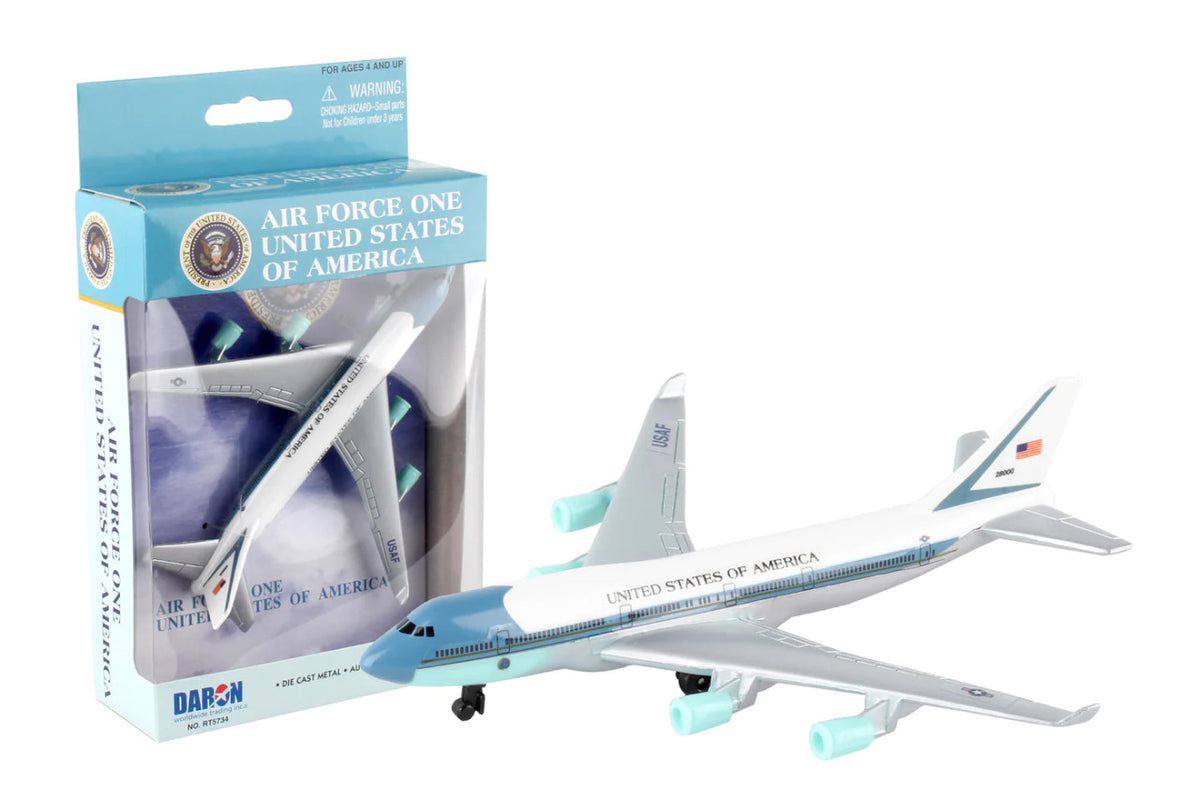
Credit: www.aircraftmodelstore.co.uk
Educational Benefits
Toy airplanes are more than just playthings. They offer valuable educational benefits. Children learn important skills while having fun.
Understanding Aerodynamics
Playing with toy airplanes introduces kids to aerodynamics. They explore how planes fly. They see how wings lift and drag affects movement. This encourages curiosity about science. It’s a hands-on way to learn physics.
Encouraging Creativity
Toy airplanes spark imagination. Kids invent stories and adventures. They create scenarios where planes soar through skies. This creative play boosts storytelling skills. It helps children express their ideas freely.
Enhancing Fine Motor Skills
Handling toy airplanes improves fine motor skills. Kids grasp, hold, and maneuver them. This strengthens their hand-eye coordination. It builds dexterity and control. These skills are essential for writing and daily tasks.
Safety Considerations
Playing with toy airplanes is a delightful experience for kids, sparking imagination and joy. However, safety considerations are crucial to ensure a fun and secure playtime. Let’s dive into some important aspects to keep in mind.
Age Appropriateness
Consider the age of your child when selecting a toy airplane. Younger children might benefit from simpler designs, free of small parts that could pose a choking hazard. Many toy airplanes have age recommendations on the packaging—pay close attention to these.
It’s always tempting to give a child a more advanced toy, but choosing age-appropriate toys ensures safety and enhances the child’s play experience. Have you ever watched a toddler try to figure out a complex toy? It’s fascinating but could lead to frustration or accidents.
Supervision Guidelines
Even the safest toy requires supervision, especially for younger children. Be present during playtime to offer guidance and ensure that toys are used appropriately. This is also a great opportunity to bond with your child and share in their imaginative play.
Set clear rules for where and how toy airplanes should be played with. For instance, avoid play near stairs or fragile objects to prevent accidents. Have you ever considered how a child might interpret the rules differently? Discuss them together to ensure understanding.
Non-toxic Materials
Check the materials used in the toy airplane. Non-toxic materials are essential for safety, especially with young children who might put toys in their mouths. Look for labels indicating safe and tested materials.
Consider doing a quick search for reviews or certifications that ensure the toy is free from harmful chemicals. Isn’t it reassuring to know your child is playing with toys safe for them and the environment?
Incorporating these safety considerations not only provides peace of mind but also enhances the overall play experience for your child. What steps will you take to ensure your child’s toy airplane is both fun and safe?

Credit: articulo.mercadolibre.com.mx
Choosing The Right Toy Airplane
Selecting a toy airplane involves considering its size, material, and age suitability. Choose durable models for outdoor play. Ensure safety features and easy handling for young children.
Choosing the Right Toy Airplane Selecting the perfect toy airplane can spark a child’s imagination and provide hours of fun. It’s not just about picking the one that looks the coolest on the shelf. You need to consider various factors to ensure you make the best choice for your child.Skill Level
Different toy airplanes are designed for different skill levels. Is your child a beginner or do they have experience with flying toys? Simple gliders are great for younger children, while remote-controlled planes might suit older kids who are ready for more complex play. Consider how much time your child has spent with similar toys. A challenging toy might frustrate a beginner, while a too-simple toy could bore an advanced user. Matching the skill level ensures an enjoyable and engaging experience.Budget Considerations
Toy airplanes come in a wide range of prices. It’s essential to set a budget before shopping. Higher-end models often come with advanced features like remote control or realistic designs, but there are also budget-friendly options that provide great fun. Think about how often your child will use the toy. Investing in a pricier model might be worth it if it’s a favorite activity. However, if it’s an occasional plaything, a more economical choice could make more sense.Durability And Maintenance
Durability is crucial for toys that will likely endure rough play. Look for materials that can withstand crashes and bumps. High-quality plastic or foam are common durable materials for toy airplanes. Maintenance is another factor to consider. Some toys require regular upkeep, like battery replacements or part adjustments. Before purchasing, think about how much effort you’re willing to put into maintaining the toy airplane. A low-maintenance option might be more convenient for busy families. Choosing the right toy airplane involves more than just visual appeal. By focusing on skill level, budget, and durability, you can make a choice that will delight and inspire your child. What kind of adventures will their new toy airplane take them on?Popular Brands And Models
Explore popular toy airplane brands like LEGO and Playmobil, known for their detailed models. Kids love Air Hogs for their remote-controlled planes, offering thrilling flight experiences.
Toy airplanes captivate imaginations, offering a delightful blend of play and learning. The market is filled with a variety of brands and models, each bringing unique features and designs. Understanding these can help you choose the perfect toy airplane for your child or even for your collection. Let’s explore some of the most popular brands and models that have won the hearts of aviation enthusiasts and budding pilots alike.Hobbyzone
HobbyZone is renowned for producing beginner-friendly RC airplanes. Their models often come with features like SAFE technology, which helps stabilize the plane during flight. This is perfect for those just starting out, as it minimizes crash risks and enhances the learning experience.Revell
Revell is a classic brand known for its detailed plastic model kits. They offer a wide range of airplane models, from historical warplanes to modern jets. Building a Revell model is not just about play; it’s a journey through aviation history, offering a hands-on learning experience.Lego Technic
LEGO Technic has made a significant impact with its intricate and functional airplane sets. These sets challenge builders to create complex models with movable parts. They offer a wonderful blend of creativity and engineering, sparking interest in both play and design.Air Hogs
Air Hogs specializes in innovative and durable flying toys. Their models often feature unique designs, like helicopters and drones, alongside traditional airplanes. The focus is on fun and ease of use, making them ideal for younger children or those looking for casual play.Fms Model
FMS Model is known for producing high-quality RC airplanes with realistic details. Their planes often mimic real-life aircraft, offering enthusiasts a chance to fly scaled-down versions of their favorite planes. These models are perfect for those who appreciate authenticity and precision. Choosing the right toy airplane can be as thrilling as flying it. Whether you’re drawn to the technical aspects of LEGO Technic or the historical significance of Revell kits, there’s something for everyone. What features do you find most appealing in a toy airplane?Building And Customizing
Crafting a toy airplane offers a chance for creativity and fun. Paint the wings, choose decals, and assemble parts for a personalized design. This hands-on activity enhances problem-solving skills and brings joy to aviation enthusiasts.
Building and customizing a toy airplane can be an exciting journey that unleashes your creativity and technical skills. Whether you’re a seasoned hobbyist or a beginner looking to explore, the process offers endless opportunities for personalization. From assembling the parts to adding unique touches, each step can make your airplane truly yours.Assembly Tips
Start with a clean, organized workspace. It helps you keep track of all the parts and reduces the chance of losing small pieces. Reading the instructions thoroughly before beginning can save you time and frustration. Consider using a magnetic tray for screws and small components. This way, you won’t waste time searching for misplaced parts. A small screwdriver set, ideally with various heads, can be your best friend during assembly. If you’re struggling with a particular piece, take a break. Sometimes a fresh perspective can solve the problem quickly. Patience is key, so don’t rush and enjoy each step of the process.Decorating Ideas
Think about the theme or color scheme you want for your airplane. Do you want a classic look or something more modern and flashy? Your choice will set the tone for the decorating process. Stickers and decals can add character without much effort. They’re easy to apply and can be swapped out if you change your mind later. You could also use paint for a more personalized touch—just ensure it’s suitable for the material of your airplane. Consider using reflective tape for visibility if you plan to fly your toy outdoors. It adds a safety feature while also giving a sleek look. Why not involve family or friends in the decorating process to make it a collaborative effort?Upgrading Parts
Upgrading parts can enhance performance and extend the lifespan of your toy airplane. Swapping out the stock propeller for a more efficient one can result in smoother flights. Check compatibility before purchasing new parts to avoid any mismatches. Battery upgrades are a popular choice for longer flight times. A higher-capacity battery can keep your airplane airborne longer, but make sure it fits your model. Think about upgrading the remote control for better range and control. It can make a significant difference in how your airplane handles, especially if you’re flying in challenging conditions. Wouldn’t it be thrilling to see your customized creation soar higher and longer with these upgrades?Engaging Activities With Toy Airplanes
Toy airplanes offer exciting playtime experiences for children. These miniature models encourage creativity and exploration. Kids can engage in imaginative flights and build storytelling skills.
Toy airplanes are more than just simple playthings; they offer a gateway to imaginative and interactive experiences for children and adults alike. Whether you’re looking to spark creativity, foster friendly competition, or dive into storytelling, these miniature aircraft can provide endless hours of fun and learning. Let’s explore some exciting activities you can enjoy with toy airplanes.Organizing Flight Competitions
Imagine the thrill of a friendly competition right in your backyard. Organizing flight competitions can be an exhilarating way to engage with toy airplanes. Set up a runway using chalk or cones and challenge your friends or family to see whose airplane can fly the farthest or land the most gracefully. Involve everyone in creating a scoring system that rewards style, distance, and accuracy. You could even introduce a prize for the winner, such as a small trophy or a favorite snack. This activity not only encourages physical activity and coordination but also fosters a sense of camaraderie and sportsmanship.Creating Airplane Crafts
Crafting is a wonderful way to bond while enhancing creativity. Use various materials like cardboard, paint, and stickers to personalize your toy airplanes. You might consider hosting a craft afternoon where everyone decorates their planes before a flight competition. Encourage participants to think about design elements that might improve their plane’s aerodynamics. This can lead to discussions about physics and engineering principles in a fun and accessible way. Plus, creating something unique gives a sense of pride and ownership, making playtime even more special.Storytelling With Aviation Themes
Dive into the world of storytelling by using toy airplanes as a central theme. Craft tales of daring pilots, mysterious islands, or aerial adventures that captivate your audience. This activity can be particularly engaging if you gather around for a storytelling session before bedtime. Incorporate questions that provoke thought, such as “What would you do if you were the pilot?” or “Where would you fly to if you could go anywhere?” These scenarios not only spark imagination but can also improve language skills and creativity in kids. What ideas can you come up with to make playtime with toy airplanes unforgettable? Whether it’s a thrilling competition, a creative crafting session, or an imaginative storytelling journey, the possibilities are limitless.
Credit: articulo.mercadolibre.com.mx
Frequently Asked Questions
What Materials Are Toy Airplanes Made Of?
Toy airplanes are often made from plastic, foam, or metal. These materials ensure durability and lightweight features. Foam is commonly used for model airplanes due to its flexibility. Plastic is popular for its cost-effectiveness and vibrant colors. Metal is often used in collectible or higher-end models for added authenticity.
How Do Toy Airplanes Fly?
Toy airplanes fly using simple aerodynamic principles. Many have wings designed to generate lift when thrown. Some are powered by rubber bands or small motors. Glider models rely on gravity and air currents. Motorized toy airplanes use propellers or jets, powered by small batteries.
Are Toy Airplanes Safe For Children?
Toy airplanes are generally safe for children when age-appropriate models are chosen. Always check the manufacturer’s age recommendations. Supervision is advised for younger children to prevent choking hazards. Ensure there are no small detachable parts. Avoid sharp edges and select durable materials to prevent breakage during play.
What Are The Benefits Of Playing With Toy Airplanes?
Playing with toy airplanes enhances creativity and imagination. It helps develop fine motor skills and hand-eye coordination. Children learn basic physics concepts and spatial awareness. Group play fosters social skills and teamwork. Toy airplanes can also spark an interest in aviation and engineering.
Conclusion
Toy airplanes bring joy to both kids and adults. They spark imagination. Build dreams of flying high. These toys offer endless fun and learning. Easy to assemble, they entertain for hours. Perfect for playtime or collection. Affordable, yet provide so much value.
Encourage creativity and exploration. Whether it’s a gift or hobby, toy airplanes delight. A simple toy with big possibilities. Keep exploring the skies. Discover new adventures with every flight. Remember, the sky’s the limit. Enjoy the thrill of aviation with your toy airplane.
Make memories that last. Dive into the world of mini aviation.