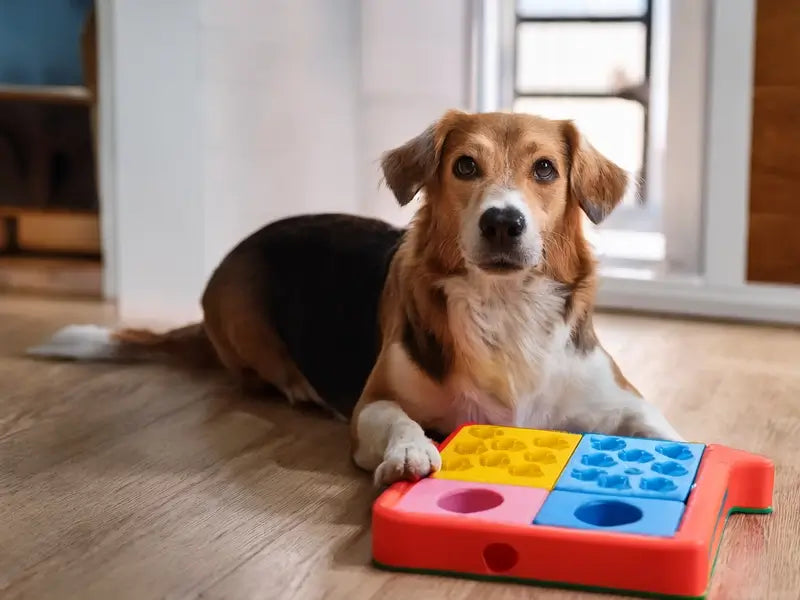
Are Dog Puzzle Toys Good for Dogs: Unlocking Benefits
Have you ever watched your dog zoom around the house like a whirlwind, full of energy and curiosity? You love your furry friend and want the best for them, but keeping them entertained and mentally stimulated can sometimes feel like a challenge.
This is where dog puzzle toys come into play. They promise not only to engage your pet but also to boost their brainpower. But are these toys really good for your dog? Are they worth the investment? By the end of this article, you’ll discover why these intriguing toys might just be the key to unlocking your dog’s happiness and health.
Dive in to find out how puzzle toys could transform playtime into a stimulating adventure for your four-legged companion.
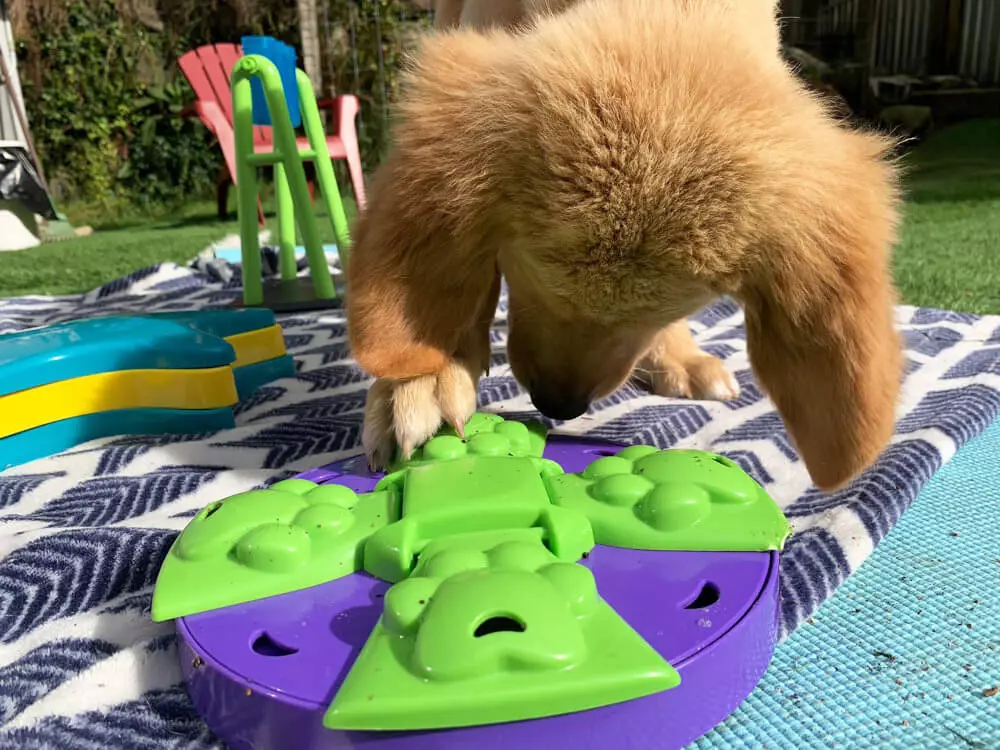
Credit: www.bowendogranch.com
Benefits Of Dog Puzzle Toys
Dog puzzle toys stimulate a dog’s mind and keep them entertained. They help prevent boredom and reduce anxiety. These toys also encourage problem-solving skills, promoting better mental health for your furry friend.
Dog puzzle toys offer a wealth of benefits for your furry friend. These toys are designed to challenge your dog’s mind and body, keeping them engaged and happy.Mental Stimulation
Dog puzzle toys provide mental challenges that keep dogs sharp. Solving puzzles requires focus and problem-solving skills. This mental workout can prevent boredom and keep their brains active.Physical Exercise
These toys often require movement, encouraging physical activity. Whether pushing, pawing, or rolling the toy, dogs get a workout. Regular physical exercise can help maintain a healthy weight and improve overall fitness.Anxiety Reduction
Puzzle toys can help calm anxious dogs. Engaging with a toy can distract them from stressful situations. This distraction can reduce anxiety and promote relaxation.Behavioral Improvements
Puzzle toys can improve behavior by redirecting energy. They offer a constructive outlet for energy, reducing destructive habits. Dogs learn patience and focus, which can lead to better overall behavior.Types Of Puzzle Toys
Puzzle toys offer mental stimulation and fun for dogs. They challenge your dog’s mind and keep them entertained. Various types cater to different needs and preferences. Let’s explore some popular options.
Interactive Toys
Interactive toys engage dogs through activities. They often involve moving parts. Dogs push, pull, or spin these parts to unlock treats. These toys enhance problem-solving skills. They also provide physical exercise.
Food-dispensing Toys
Food-dispensing toys combine playtime with mealtime. Dogs work to release food from the toy. This slows eating and reduces overeating. It adds mental stimulation to their routine. Perfect for dogs that eat too fast.
Scent-based Toys
Scent-based toys use smells to attract dogs. They stimulate a dog’s natural sniffing instincts. These toys often involve hidden treats. Dogs follow their noses to find the reward. Great for scent-driven breeds.
Customizable Toys
Customizable toys allow owners to adjust difficulty levels. They adapt as your dog learns. Change parts or add challenges. This keeps the toy interesting over time. Ideal for smart dogs needing extra stimulation.
Choosing The Right Puzzle Toy
Dog puzzle toys can be beneficial for mental stimulation and entertainment. These toys challenge dogs to think and problem-solve. They help in reducing boredom and promoting healthy play.
Choosing the right puzzle toy for your dog can make a world of difference in their engagement and satisfaction. It’s not just about picking the cutest or the most popular one on the shelf. The perfect puzzle toy should match your dog’s unique personality, size, and needs. Let’s dive into the key factors you should consider.Size And Difficulty Level
Selecting the correct size and difficulty level is crucial. A toy that’s too easy might bore your dog, while an overly complex one might frustrate them. Consider your dog’s temperament. Is your dog a clever problem-solver or do they tend to give up easily? Adjust the difficulty accordingly. Also, make sure the toy’s size is appropriate to prevent any choking hazards.Material And Durability
Dogs can be rough with their toys, so material and durability are important. Look for sturdy materials that can withstand chewing, especially if you have a heavy chewer. Opt for non-toxic and eco-friendly materials. Not only are they safer, but they also align with sustainable practices. A durable toy ensures it lasts longer, giving you more value for your money.Safety Considerations
Safety should be your top priority. Inspect toys for small parts that could be swallowed or sharp edges that could harm your dog. Check for certifications or safety standards on the packaging. Regularly inspect the toy for wear and tear, and be ready to replace it if it becomes unsafe.Age And Breed Suitability
Different breeds and ages have varied needs and abilities. Puppies might need softer toys while senior dogs might prefer easier puzzles. Research your breed’s traits. High-energy breeds might enjoy more challenging toys, while calmer breeds might prefer simpler ones. Tailoring the toy to your dog’s age and breed ensures it remains enjoyable and beneficial. Choosing the right puzzle toy requires some thought and consideration. By focusing on these aspects, you can provide your dog with a toy that not only entertains but also enriches their day. What will you choose for your furry friend?Introducing Puzzle Toys To Your Dog
Introducing puzzle toys to your dog can be a fun and rewarding experience for both you and your furry friend. These toys are designed to stimulate your dog’s mind, helping them stay active and entertained. But how do you get started with puzzle toys? Let’s explore some effective strategies to ensure your dog has a positive experience.
Gradual Introduction
Start with simpler puzzles that your dog can quickly solve. This helps build their confidence and keeps frustration at bay. You might notice your dog figuring out how to get the treat after a few tries. That’s a great sign! Gradually increase the complexity as your dog gets more comfortable.
Positive Reinforcement
Reward your dog with praise and treats when they successfully solve a puzzle. This encourages them to keep trying and associates the toy with positive outcomes. Imagine your dog wagging their tail with excitement every time they see the puzzle toy. Wouldn’t that be delightful?
Monitoring Playtime
Keep an eye on your dog while they play with puzzle toys to ensure they don’t get frustrated or bored. If your dog seems stuck, offer a little help or switch to a simpler toy. This way, you can prevent your dog from giving up or losing interest.
Adjusting Difficulty
As your dog becomes a puzzle-solving pro, you can adjust the difficulty to keep them challenged. This not only keeps their brain engaged but also strengthens their problem-solving skills. How cool would it be to see your dog mastering a complex puzzle? It’s like watching a canine genius at work!
Common Misconceptions
Dog puzzle toys offer many benefits, but misconceptions abound. These myths can confuse pet owners about their value. Let’s clear up some common misunderstandings about dog puzzle toys.
Puzzle Toys Replace Training
Some believe puzzle toys can replace training. This is not true. Puzzle toys stimulate the mind but don’t teach commands. Training builds discipline and understanding. Toys are an excellent addition to a training routine but not a substitute.
All Dogs Love Puzzle Toys
Not all dogs enjoy puzzle toys. Each dog has a unique personality. Some dogs may find them frustrating. Others might lose interest quickly. It’s important to find what works for your dog. Observing your dog’s reactions can help you choose suitable toys.
Toys Are One-size-fits-all
Many assume toys fit all dogs. This isn’t the case. Different sizes and difficulty levels suit different breeds and ages. Large dogs need larger, more durable toys. Smaller dogs benefit from smaller, simpler puzzles. Select toys based on size, strength, and intelligence.
Puzzle Toys Are For Puppies Only
Puzzle toys are not just for puppies. Adult and senior dogs benefit too. These toys help keep older dogs mentally sharp. They provide entertainment and exercise for all ages. Choosing age-appropriate puzzles ensures they remain engaging and beneficial.

Credit: www.amazon.com
Enhancing The Experience
Dog puzzle toys engage dogs’ minds, offering mental stimulation and fun. These toys can reduce boredom and destructive behavior. They provide an enriching experience, enhancing problem-solving skills and keeping dogs entertained.
Enhancing the experience of using dog puzzle toys can significantly boost their benefits for your furry friend. While these toys are fantastic for mental stimulation, adding a few tweaks can make them even more rewarding. Think of it as turning a good thing into a great one, ensuring your dog gets the most out of playtime.Combining With Other Activities
Mixing puzzle toys with other physical activities can create a well-rounded play session. After your dog has spent time solving a puzzle, take them for a brisk walk or play a game of fetch. This combination keeps their mind sharp and body active, creating a balanced routine that prevents boredom.Rotating Toys Regularly
Just like humans, dogs can get bored with the same old thing. Regularly rotating their puzzle toys keeps them engaged and excited. By swapping out toys every week or so, you can maintain their interest and challenge their problem-solving skills.Incorporating Training Commands
Using puzzle toys as a training tool can be incredibly effective. Introduce basic commands like “sit” or “stay” before allowing your dog to engage with the toy. This not only reinforces obedience but also adds an extra layer of mental challenge.Using Puzzle Toys For Bonding
Puzzle toys aren’t just for solo play; they can also be a great bonding experience. Spend time with your dog while they solve the puzzle, offering encouragement and guidance. This shared activity strengthens your relationship and builds trust, turning playtime into quality time together. Enhancing the experience of puzzle toys involves creativity and attention to your dog’s needs. By incorporating these strategies, you can ensure that each play session is as beneficial and enjoyable as possible. How will you enhance your dog’s playtime today?
Credit: www.holistapet.com
Frequently Asked Questions
Are Dog Puzzle Toys Mentally Stimulating?
Yes, dog puzzle toys are mentally stimulating. They challenge your dog’s problem-solving skills and keep them engaged. These toys can help reduce boredom and anxiety. Regular mental stimulation through puzzles can improve your dog’s cognitive abilities and overall behavior. Puzzle toys are a great way to keep your dog’s mind active.
Do Puzzle Toys Help With Dog Anxiety?
Puzzle toys can help reduce dog anxiety by keeping them occupied and distracted. Engaging with puzzles requires focus, which can alleviate stress. By concentrating on solving puzzles, dogs may forget their anxiety triggers. Puzzle toys provide a fun outlet for anxious dogs, promoting relaxation and mental well-being.
Can Puzzle Toys Improve Dog Behavior?
Yes, puzzle toys can improve dog behavior. They promote mental stimulation, reducing destructive habits caused by boredom. Solving puzzles requires patience and focus, which can translate into better obedience. Engaging in puzzle play can enhance your dog’s ability to learn and adapt, leading to improved behavior over time.
Are Puzzle Toys Suitable For All Dog Breeds?
Puzzle toys are suitable for most dog breeds. They come in various difficulty levels, catering to different intelligence levels. While some breeds may find puzzles easier, all dogs benefit from mental stimulation. Select toys that match your dog’s size and skill level for optimal engagement and enjoyment.
Conclusion
Dog puzzle toys offer great benefits for your furry friend. They stimulate mental activity, keeping boredom at bay. Dogs become more engaged and happy with these toys. They challenge your dog’s problem-solving skills. Puzzle toys can improve your dog’s mood and behavior.
Choose the right puzzle toy for your dog’s size and skill level. It’s important to supervise playtime for safety. Regular use can enhance your dog’s overall well-being. Consider adding puzzle toys to your dog’s routine for a happier pet. Your dog will thank you for the fun and challenge!