What are Sensory Toys for Autism: Boosting Development
Imagine a world where every sound feels like thunder, every light is blinding, and every touch is electric. For many individuals with autism, this is reality.
Sensory toys for autism are not just playthings; they are essential tools designed to help navigate this overwhelming world. These toys provide comfort, stimulate the senses, and improve focus. Have you ever wondered how a simple object can transform anxiety into calm, or chaos into clarity?
You’ll discover the fascinating role sensory toys play in enhancing daily life for those with autism. You’ll learn why these toys are more than just fun—they’re a bridge to a more balanced and fulfilling experience. Keep reading to unlock the secrets behind these powerful tools and find out how they can make a difference in your life or the life of someone you love.
Sensory Toys Defined
Sensory toys are designed to stimulate the senses and aid development in children with autism. These toys engage touch, sight, sound, and more, offering therapeutic benefits. They help improve focus, reduce anxiety, and build skills through playful interaction.
Sensory toys play a vital role in supporting children with autism. They help with sensory processing issues by providing calming and focusing experiences. These toys are designed to engage the senses, such as touch, sight, and sound. They offer unique textures, colors, and sounds to stimulate a child’s sensory system.What Are Sensory Toys?
Sensory toys are tools designed to stimulate the senses. They help develop motor skills and improve focus. These toys range from soft, squishy balls to vibrating cushions. They offer different sensations to meet individual needs.Benefits Of Sensory Toys For Autism
Sensory toys offer several benefits. They help with relaxation and reduce anxiety. They also enhance concentration and improve social interaction. By engaging the senses, these toys support emotional regulation. There are various types of sensory toys. Some popular ones include:- Fidget Spinners: Help with focus and reduce stress.
- Chewable Jewelry: Provides oral stimulation and soothes anxiety.
- Weighted Blankets: Offer comfort and promote relaxation.
Choosing The Right Sensory Toy
Selecting the right toy depends on the child’s needs. Consider the sensory preferences and challenges. Observe which senses need stimulation or calming. Choose toys that match these requirements for effective support.Benefits For Autism
Sensory toys can be incredibly beneficial for individuals with autism, offering a multitude of advantages that support their unique needs. These toys are specifically designed to engage the senses, providing stimulation that can be both comforting and educational. As you explore the benefits, consider how these tools can make a difference in daily life and development.
Enhancing Sensory Perception
Sensory toys are crafted to stimulate the senses, helping individuals with autism to process sensory information more effectively. With textures, sounds, and colors, these toys can help refine sensory perception. Have you ever noticed how a child with autism reacts to a specific sound or texture? The right sensory toy can enhance their ability to understand and interpret these stimuli.
Promoting Focus And Calmness
Many sensory toys are known for their calming effects, allowing individuals with autism to focus better. Toys like stress balls or weighted blankets can provide comfort and reduce anxiety. Imagine how a simple tool like a fidget spinner can help maintain attention and soothe nerves during challenging situations.
Encouraging Social Skills
Social interaction can be daunting for those with autism, but sensory toys can bridge the gap. Toys that involve sharing, turn-taking, or cooperative play can foster social skills. Picture a scenario where a sensory toy becomes a shared interest, prompting communication and interaction in a natural way.
Supporting Motor Skills Development
Motor skills are crucial for daily activities, and sensory toys can aid in their development. Toys that require manipulation, like building blocks or puzzles, can improve fine motor skills. Think about how engaging with these toys can enhance hand-eye coordination and dexterity, setting the stage for more complex tasks.
Types Of Sensory Toys
Sensory toys for autism engage different senses, aiding in development and calming. Options include textured toys for touch, musical toys for auditory stimulation, and brightly colored items for visual engagement. These tools help children explore their environment and manage sensory processing challenges effectively.
Sensory toys play a crucial role in the development of children with autism. They help improve focus, reduce anxiety, and enhance sensory processing. These toys cater to different sensory needs, offering various types of stimulation. Below, explore the different types of sensory toys and their benefits.Tactile Toys
Tactile toys provide hands-on experiences. These toys engage the sense of touch. Examples include stress balls, textured blankets, and kinetic sand. Each offers unique textures and pressure sensations. Children can squeeze, pull, or mold them. This helps improve motor skills and sensory integration.Visual Stimulation Toys
Visual stimulation toys capture attention with bright colors and patterns. They include items like light-up toys and kaleidoscopes. These toys can help improve visual tracking skills. Watching patterns change can be soothing. Lava lamps and fiber optic lights are popular choices. They provide calming visual input.Auditory Toys
Auditory toys engage children through sound. They include musical instruments, sound puzzles, and rain sticks. These toys help develop listening and auditory processing skills. Some toys play calming sounds or melodies. Others encourage active participation, like playing a drum. The variety of sounds can be both stimulating and calming.Olfactory And Taste Toys
Olfactory and taste toys engage the senses of smell and taste. Examples include scented playdough and chewable jewelry. These toys provide safe ways to explore these senses. Scented toys can help with relaxation. Chewable items offer oral stimulation, useful for children who seek oral input.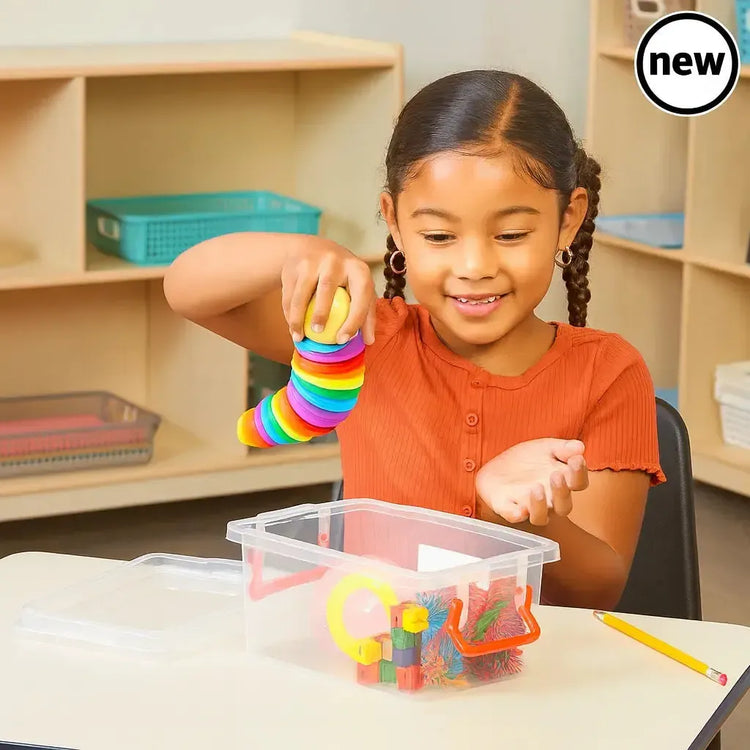
Credit: www.sensoryeducation.co.uk
Choosing The Right Toys
Sensory toys for autism can help engage senses and improve focus. They offer tactile, auditory, or visual stimulation. These toys can provide comfort and help develop fine motor skills.
Choosing the right sensory toys for children with autism can significantly impact their development and well-being. The right toy can provide comfort, stimulate senses, and encourage learning. However, with countless options available, how do you select the perfect one?Consider Individual Needs
Every child with autism is unique, and so are their sensory preferences. Some may find solace in the gentle vibrations of a fidget spinner, while others may enjoy the visual stimulation of a liquid motion bubbler. Observe your child’s reactions to different sensory inputs and use those insights to guide your choice. What sparks joy or calms them down?Safety And Durability
Safety should always be a priority. Ensure the toys are made of non-toxic materials and have no small parts that could pose a choking hazard. Durability is equally important—children with autism may use toys more vigorously, so they need to withstand rough handling. A robust, well-made toy can offer peace of mind and long-lasting enjoyment.Age-appropriate Options
Selecting age-appropriate toys ensures that your child is both challenged and entertained. While a toy may be safe, it should also be suitable for their developmental stage. Think about whether the toy encourages skills they are currently developing. Does it offer the right level of complexity to keep them engaged without causing frustration? Choosing the right sensory toy is more than just picking something from a shelf. It’s about understanding your child’s unique world and finding tools that help them thrive. What will you choose to support their growth and happiness?Incorporating Sensory Play
Sensory toys for autism help children explore their senses. They engage touch, sight, sound, and more, promoting focus and calming effects. These toys support developmental skills and provide enjoyable learning experiences.
Incorporating sensory play into the lives of children with autism can be beneficial. It helps improve focus, communication, and social skills. Sensory toys are designed to stimulate the senses, providing comfort and engagement. Parents and caregivers can use these toys to create a supportive environment. Below are some ways to incorporate sensory play effectively.Creating A Sensory-friendly Environment
A sensory-friendly space is vital. It reduces overstimulation and promotes relaxation. Use soft lighting and calming colors. Add textures and sounds that soothe. Consider items like bean bags or soft mats for comfort. Ensure the area is safe and clutter-free. This helps the child feel secure.Involving Family And Caregivers
Family involvement is crucial. It builds trust and understanding. Encourage siblings and caregivers to participate in sensory activities. Share tips and ideas for engaging play. Host regular sessions to foster connection. This strengthens bonds and supports the child’s growth.Integrating Into Daily Routines
Sensory play should be part of daily life. Add activities to morning or bedtime routines. Use calming toys to start or end the day. Incorporate play during meal or bath times. This consistency aids in developing skills. It also provides comfort and predictability for the child.
Credit: www.amazon.com
Expert Recommendations
Sensory toys for autism provide tactile, auditory, or visual stimulation. These toys support focus and calmness. They help children engage in play, improving learning and communication skills.
Sensory toys are essential for children with autism, aiding their development. Experts offer valuable guidance on selecting these toys. Their insights can help parents make informed choices.Choose Toys Based On Sensory Preferences
Selecting toys aligned with a child’s sensory needs is vital. Some children prefer tactile toys, while others enjoy auditory experiences. Understanding these preferences can enhance engagement.Consider Age Appropriateness
Age-appropriate toys ensure safety and effectiveness. Consult expert age guidelines to match toys with developmental stages. This approach fosters both learning and enjoyment.Opt For Durable Materials
Durability is crucial for sensory toys. Experts recommend materials that withstand frequent use. Look for toys made from sturdy materials, ensuring longevity and safety.Focus On Multi-sensory Features
Multi-sensory toys stimulate various senses simultaneously. Experts suggest toys offering visual, tactile, and auditory elements. This variety can enhance sensory integration.Seek Expert Reviews And Ratings
Expert reviews provide insight into toy effectiveness. Ratings can guide parents in choosing high-quality options. Trustworthy reviews highlight pros and cons, aiding decision-making.Prioritize Safety Standards
Safety is paramount in toy selection. Experts advise checking toys for compliance with safety standards. Safe toys protect children from potential hazards.Consult Therapists For Recommendations
Therapists can offer personalized toy suggestions. Their expertise in sensory needs guides parents. Consult therapists to tailor toy choices to individual children.Future Trends In Sensory Toys
The world of sensory toys is evolving rapidly. Innovations are transforming the way these toys help children with autism. New trends are emerging, promising enhanced experiences for users.
Technological Advancements
Technology is reshaping sensory toys. Virtual reality and augmented reality create immersive experiences. These tools offer interactive environments for sensory stimulation. Smart toys with AI capabilities adapt to user preferences. They provide real-time feedback, enhancing engagement and learning.
Touch-sensitive surfaces and motion sensors add another layer. These features enable toys to respond dynamically. Sound and light effects are tailored to individual needs. Technology is making sensory toys more effective and engaging.
Personalized Sensory Solutions
Personalization is becoming a key focus in sensory toys. Customizable options cater to unique sensory needs. Toys can be adjusted for different textures and sounds. Users can select specific features that work best for them. This adaptability ensures a tailored sensory experience.
Personalized toys enhance comfort and effectiveness. They provide targeted sensory input, fostering development. These solutions are crucial for addressing diverse sensory profiles. By focusing on individual needs, sensory toys become more impactful.

Credit: www.sensorytoywarehouse.com
Frequently Asked Questions
What Are Sensory Toys For Autism?
Sensory toys for autism are designed to stimulate the senses. They help in developing fine motor skills and improving focus. These toys provide calming effects and reduce anxiety. They are beneficial for enhancing social interactions and communication skills.
How Do Sensory Toys Benefit Autistic Children?
Sensory toys benefit autistic children by promoting sensory integration. They help in calming overstimulation and reducing anxiety. These toys enhance focus and encourage social interaction. They also aid in developing motor skills.
Are Sensory Toys Effective For Autism Therapy?
Yes, sensory toys are effective for autism therapy. They provide tactile and visual stimulation. These toys help in managing anxiety and improving focus. They are widely used by therapists to support learning and development.
What Types Of Sensory Toys Are Available?
Various types of sensory toys are available, including fidget spinners, stress balls, and sensory bins. Other options include chewable jewelry, weighted blankets, and tactile discs. Each toy serves a specific sensory need.
Conclusion
Sensory toys offer valuable support for children with autism. These toys help children focus and calm their minds. They improve sensory skills through play. Parents find them useful in daily routines. Sensory toys come in many forms. They include fidget spinners, textured balls, and more.
Each toy serves a unique purpose. Choosing the right toy can make a difference. They bring joy and comfort to children. Investing in sensory toys is worthwhile. They enhance learning and development. Simple tools, big impact. Consider sensory toys for your child’s needs.
They are a helpful addition to any child’s growth journey.