How to Clean Baby Toys That Can’T Be Washed: Expert Tips
Every parent knows the importance of keeping baby toys clean. But what do you do with those toys that can’t be tossed into the washing machine or submerged in soapy water?
You might feel overwhelmed trying to figure out the best way to keep them germ-free without damaging them. Don’t worry—you’re not alone. Many parents face the same challenge. We’ll reveal simple, effective methods for cleaning those tricky toys. You’ll discover techniques that ensure your little one’s toys remain safe and hygienic.
Ready to learn how to conquer this cleaning conundrum? Let’s dive in and tackle it together!
.png?width=550&height=377&format=png&quality=80)
Credit: www.lysol.com
Types Of Toys That Can’t Be Washed
Soft toys with electronic parts or delicate fabrics, wooden toys, and toys with metal components typically cannot be washed.
Cleaning baby toys that can’t be washed presents a unique challenge. Not all toys are created equal, and some simply can’t withstand a soak in soapy water or a spin in the washing machine. Understanding which toys fall into this category can help you keep your little one’s playthings safe and hygienic without causing damage.Plush Toys With Electronic Components
Plush toys with electronic components are a common example. These cuddly companions often have sound boxes or light-up features that can’t be submerged in water. Instead, focus on surface cleaning with a damp cloth or a gentle wipe to keep them fresh.Wooden Toys
Wooden toys are another type that shouldn’t be washed. Water can warp the wood, affecting both its appearance and functionality. A simple solution is to use a vinegar and water mixture on a soft cloth to wipe them down, ensuring they’re clean without causing damage.Toys With Battery Compartments
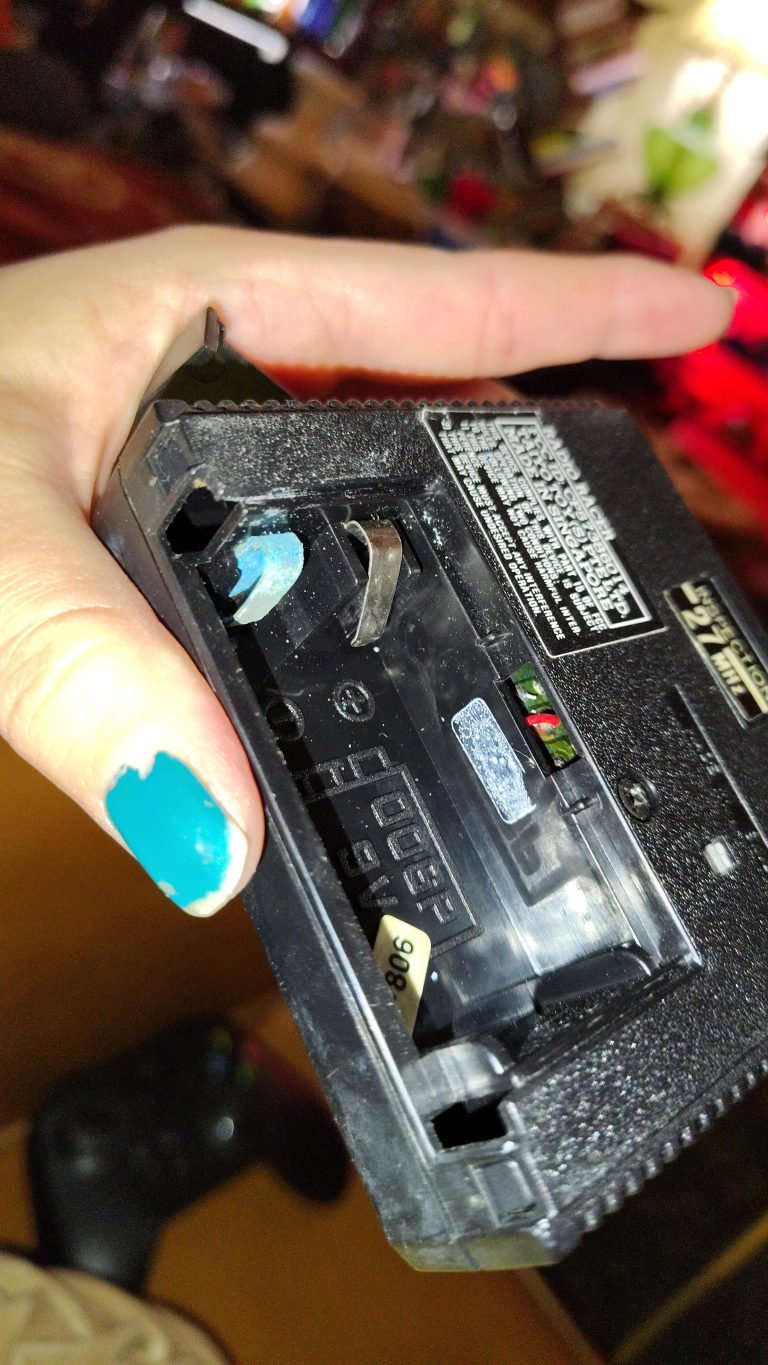
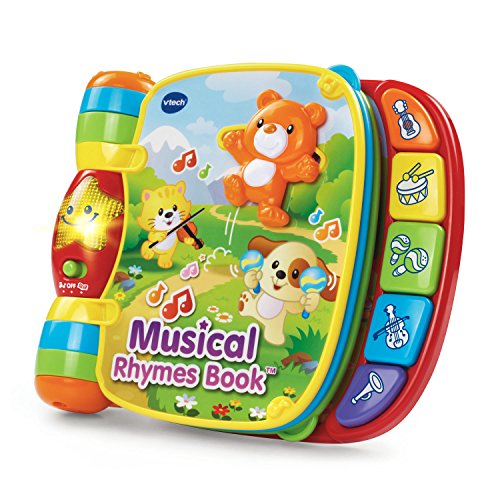
Toys with battery compartments often fall into the non-washable category. Water can seep in and cause corrosion or short-circuiting. Use a dry cloth or a slightly dampened one with a mild cleaner to maintain these toys without risking the inner components.Paper-based Toys And Books
Paper-based toys and books are sensitive to moisture. Even a little water can lead to tearing or warping. Dust them regularly and consider using a gentle vacuum attachment for a thorough clean.Painted Or Lacquered Toys
Painted or lacquered toys may have finishes that aren’t water-resistant. Exposure to moisture can cause peeling or fading. Opt for a microfiber cloth to dust them or a slightly damp cloth for tougher spots, preserving their vibrant colors. Are there toys in your child’s collection that you’ve been unsure about cleaning? Identifying these types will help you adopt the right cleaning methods, ensuring both safety and longevity. Remember, the key is to clean without compromising the integrity of the toy.Safe Cleaning Materials
Safe cleaning materials keep baby toys hygienic without washing. Use mild soap, water, and a soft cloth for gentle cleaning.
Cleaning baby toys that can’t be washed requires careful choice of materials. Safe cleaning materials protect your child’s health and preserve toy quality. Non-toxic options ensure toys are free of harmful residues. This section explores materials ideal for cleaning delicate baby toys.Natural Vinegar Solution
White vinegar is a powerful cleaning agent. Mix equal parts water and vinegar in a spray bottle. This solution is effective in removing germs. It’s safe for most surfaces. Spray on toys and wipe with a clean cloth.Baking Soda Paste
Baking soda is a gentle abrasive. Make a paste with water for stubborn stains. Apply and scrub gently. It removes dirt without scratching surfaces. Rinse with a damp cloth.Lemon Juice Cleaner
Lemon juice is a natural disinfectant. Its acidity kills bacteria. Mix lemon juice with water for a mild cleaner. Wipe toys with this solution. It leaves a fresh scent.Hydrogen Peroxide Spray
Hydrogen peroxide is a safe disinfectant. Use a 3% solution in a spray bottle. Spray lightly on toys. Let it sit for a few minutes. Wipe clean with a cloth.Soap And Water
Mild soap mixed with water cleans effectively. Use a soft cloth to apply the mixture. Avoid soaking the toys. Rinse with a damp cloth to remove soap residue.Essential Oil Mixture
Essential oils like tea tree have antibacterial properties. Mix a few drops with water. Spray on toys for a natural clean. Wipe off with a cloth. Safe cleaning materials ensure toys remain hygienic. Choose options that are gentle yet effective. Protect your child’s health with these cleaning solutions.Effective Cleaning Techniques
Wipe baby toys with a damp cloth and mild soap. Use a mixture of water and vinegar for sanitizing. Air drying ensures no residue remains.
Cleaning baby toys that can’t be washed requires special care. These toys often have delicate materials or electronic components. Effective cleaning ensures they remain safe and germ-free. Let’s explore some reliable techniques.Wiping With Disinfectant Wipes
Disinfectant wipes are simple and effective. They kill germs without damaging toys. Choose alcohol-free wipes for safety. Gently wipe surfaces, focusing on areas frequently touched. This method is quick and convenient. It’s perfect for toys used daily.Using A Steam Cleaner
Steam cleaners offer a chemical-free option. They use heat to sanitize toys thoroughly. Ensure the toy material can withstand steam. Hold the nozzle close, covering all surfaces. This method is ideal for plush toys. It refreshes and sanitizes them efficiently.Spraying With Vinegar Solution
Vinegar solution is natural and safe. Mix equal parts of water and vinegar. Spray lightly on toy surfaces. Wipe with a clean cloth to remove residue. Vinegar is effective against bacteria. It leaves toys clean and fresh. Avoid using it on electronics to prevent damage.Cleaning Electronic Toys
Using a damp cloth and mild soap, gently wipe the surface of electronic baby toys. Avoid soaking or immersing them in water. After cleaning, ensure toys are thoroughly dried to prevent moisture damage.
Cleaning electronic toys requires careful attention to detail. These toys often have screens, buttons, and other components that are sensitive to moisture and cleaning agents. With a bit of care, you can keep electronic toys clean and safe for your baby.Battery Removal Precautions
Before cleaning, remove the batteries. This prevents any electrical issues during cleaning. Make sure the battery compartment is closed tightly after removing them. Check for any signs of corrosion or leakage. If you see any, clean it with a dry cloth.Cleaning Screens And Buttons
Use a microfiber cloth to wipe screens gently. Microfiber is soft and won’t scratch the surface. For buttons, use a cotton swab dipped in a little rubbing alcohol. This helps remove dirt and germs. Avoid using too much liquid to prevent damage. After cleaning, let it dry completely before putting the batteries back.Cleaning Soft Toys
Cleaning soft toys that can’t be washed involves using baking soda and a vacuum. Sprinkle baking soda on the toy, let it sit, then vacuum off the residue. This method helps freshen up toys without water damage.
Cleaning soft toys requires gentle care to maintain their softness. Babies love cuddling with their plush companions, making cleanliness essential. Soft toys often trap dust and allergens, posing health risks. Regular cleaning ensures these toys remain safe for your baby. Below are effective ways to clean soft toys that can’t be washed.Spot Cleaning With Baking Soda
Baking soda is a natural cleaner. It can remove dirt without harsh chemicals. Sprinkle baking soda on the toy’s surface. Let it sit for 15 minutes. This helps absorb odors and loosen dirt. Use a soft brush to gently scrub the toy. Focus on spots with visible stains. Ensure you brush away all the baking soda. It leaves the toy fresh and clean. Baking soda is safe for most fabrics. Always test a small area first.Using A Fabric Freshener
Fabric fresheners can revitalize your baby’s soft toys. They remove odors and provide a fresh scent. Choose a fabric freshener that’s safe for children. Spray lightly over the toy, covering all areas. Allow the toy to air dry completely. This prevents moisture buildup and mold. Fabric fresheners are quick to use. They offer a convenient cleaning option. Ensure the product is non-toxic and eco-friendly. Test on a hidden area first for colorfastness..png?width=550&height=377&format=png&quality=80)
Credit: www.lysol.com
Caring For Wooden Toys
Cleaning wooden toys involves using a damp cloth and mild soap. Wipe gently to remove dirt and stains. Avoid soaking or using harsh chemicals to maintain the wood’s quality and safety.
Caring for wooden toys requires gentle attention. Wood offers a natural appeal and durability, making it a favorite for many parents. Yet, wooden toys need special care to maintain their charm and longevity.Avoiding Excess Moisture
Water can damage wooden toys over time. Use a damp cloth for cleaning. Avoid soaking the cloth. Wipe the toy gently to remove dirt. Ensure the toy dries completely. This helps prevent warping or cracking. Always store wooden toys in a dry place.Natural Oil Conditioning
Natural oils can refresh wooden toys. Use food-grade oils like coconut or beeswax. Apply a small amount on a soft cloth. Rub it into the wood gently. This restores the wood’s shine and prevents drying. Conditioning also helps protect against minor scratches. Regular oil conditioning keeps wooden toys looking new.Disinfecting Toys Safely
Disinfecting baby toys that can’t be washed can seem like a daunting task. However, it is crucial for maintaining a germ-free environment for your little one. It may surprise you how simple and effective it can be when you use the right methods. Let’s explore how you can safely disinfect these toys, ensuring they remain safe and enjoyable for your child.
Using Alcohol-based Solutions
Alcohol-based solutions are a great option for disinfecting toys that can’t be washed. Choose solutions with at least 70% alcohol content for effective germ-killing power. Simply dampen a clean cloth with the solution and gently wipe the toy’s surface.
Consider testing a small, inconspicuous area first to ensure there’s no damage or color fading. It’s a quick, easy method that leaves toys clean and ready for play. Be sure to let the toy air-dry completely before handing it back to your child.
Avoiding Harsh Chemicals
While it might be tempting to use strong disinfectants, these can be harmful to your child’s health. Avoid bleach or products containing harsh chemicals. They can cause irritation or allergic reactions if not fully rinsed off.
Instead, opt for milder alternatives like vinegar or hydrogen peroxide. These are effective at killing germs without posing a risk to your child. You can mix equal parts water and vinegar, spray lightly, and wipe down with a cloth.
Do you ever wonder if cleaning toys is enough? It’s worth considering sanitizing frequently touched surfaces in your home too. This holistic approach ensures a healthier environment for your child to explore and grow in.
Drying And Storing Toys
Toys that cannot be washed need special care. Wipe them gently with a damp cloth and mild soap. Allow them to air dry completely before storing in a clean, dry place.
Drying and storing toys that can’t be washed requires special care. These toys may be electronic or made from delicate materials. Proper drying methods ensure they stay in good condition. Storing them correctly maintains their longevity and safety.Air Drying Techniques
Air drying is gentle and safe for most toys. Place toys in a well-ventilated area. Ensure they are not exposed to direct sunlight. Sunlight can damage some materials. Use a fan to speed up drying. This prevents moisture build-up. Make sure toys are completely dry before storing. Moisture can lead to mold and odors.Proper Storage Practices
Storing toys properly keeps them clean and safe. Use storage bins with lids. This protects toys from dust. Label bins for easy access. Store toys in a cool, dry place. Avoid areas with temperature fluctuations. This prevents damage to sensitive parts. Regularly check storage conditions. This ensures toys remain in good shape.Frequency Of Cleaning
Cleaning baby toys is essential for a healthy environment. The frequency of cleaning depends on several factors. These factors include how often your child plays with them and where they are used. Regular cleaning helps prevent the spread of germs and keeps toys safe.
How Often Should You Clean Baby Toys?
Toys used daily should be cleaned weekly. This routine helps maintain hygiene. If toys are shared with other children, clean them more often. Outdoor toys may collect more dirt. Clean them after each play session. Pay attention to toys that come into contact with your baby’s mouth. Clean these toys more frequently.
Signs It’s Time To Clean
Check for sticky residue on the toys. This is a sign they need cleaning. If you notice any unusual odors, it’s time for a wash. Visible dirt or grime also indicates a need for cleaning. Regularly inspect toys for these signs. It ensures they remain safe for your child.
Adjusting Cleaning Frequency Based On Illness
If your child is sick, clean toys more often. This helps prevent reinfection. Pay special attention to frequently used toys. This can help limit the spread of germs. Keep a separate set of toys for sick children if possible. It minimizes the risk to others.
.png?width=550&height=377&format=png&quality=80)
Credit: www.lysol.com
Expert Advice And Recommendations
Cleaning baby toys that can’t be washed requires gentle methods. Use a damp cloth with mild soap to wipe surfaces. Disinfect with a mix of water and vinegar for safety.
Cleaning baby toys that can’t be washed may seem like a daunting task, but with expert advice and recommendations, it becomes simpler and more manageable. You want to ensure that your baby’s toys are safe and free from germs, without compromising their quality or safety. Here, we provide practical insights into effectively cleaning these toys without submerging them in water.Use Safe Cleaning Solutions
Opt for mild, baby-safe cleaning solutions that won’t harm your child’s toys. A mixture of water and vinegar can be an excellent choice. Vinegar is known for its disinfecting properties and is gentle enough for toys. Simply mix equal parts of water and vinegar, and apply with a soft cloth or sponge.Wipe Down Surfaces
Regularly wiping down toys with a damp cloth can keep them clean and germ-free. Focus on areas that come into frequent contact with your baby. Remember to dry them thoroughly with a soft towel to prevent moisture buildup, which can lead to mold or mildew.Utilize Uv Light Sanitizers
Consider using UV light sanitizers for toys that can’t be washed. These devices can effectively kill bacteria and viruses without the need for liquids. They’re especially useful for electronic toys where traditional cleaning methods might be challenging.Spot Clean Stains
For toys with visible stains, spot cleaning is a quick solution. Dab a bit of baby-safe detergent on the stain and gently rub with a cloth. Rinse with a damp cloth to remove any detergent residue. This method is effective for cloth toys or fabric-covered items.Regular Air Exposure
Allow toys to air out regularly, especially those with fabric or plush surfaces. Fresh air can help remove odors and maintain the toys’ cleanliness over time. Place them near a window or in a well-ventilated area for a few hours. As you implement these strategies, think about how often your baby interacts with each toy. Are there specific toys that require more frequent cleaning? By tailoring your cleaning schedule to your baby’s habits, you can ensure a healthier play environment.Frequently Asked Questions
How To Sanitize Toys Without Washing?
To sanitize toys without washing, use disinfectant wipes or sprays. Ensure the product is safe for children. Wipe the toy thoroughly, covering all surfaces. Allow it to air dry completely before returning it to the child. This ensures germs are effectively removed without involving water.
Can You Clean Plush Toys Without Water?
Yes, you can clean plush toys without water. Use a vacuum with a brush attachment to remove dust and debris. Sprinkle baking soda on the toy and let it sit for 15 minutes. Vacuum again to remove the soda. This method refreshes the toy without using water.
What Are Safe Cleaning Products For Toys?
Safe cleaning products for toys include mild soap, vinegar, and baking soda. Ensure the product is non-toxic and safe for children. Use a damp cloth to apply the cleaner, then wipe the toy thoroughly. Always check labels for safety information before use.
How Do Uv Lights Clean Baby Toys?
UV lights clean baby toys by killing germs and bacteria. Place the toy in a UV sanitizer box or under a UV wand. Follow the manufacturer’s instructions for exposure time. UV light is effective for sterilizing toys without using water or chemicals.
Conclusion
Keeping baby toys clean ensures a safe play environment. Regular cleaning prevents germs and dirt build-up. Choose methods that suit each toy type. Wipe plastic toys with a damp cloth. Use baking soda for plush toys. Check labels for specific care instructions.
Avoid harsh chemicals that may harm your child. Clean toys often, especially after playdates or illness. This helps maintain hygiene and protects your baby’s health. Simple steps make a big difference. Safeguard your child’s playtime with clean toys. Peace of mind for parents.
Happy playing, healthy growing!