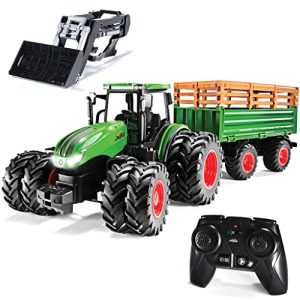
Have you ever picked up your child’s favorite toy only to find that it’s not working? You check the batteries, only to discover a crusty, white residue around the terminals.
This is corrosion, a common issue that can stop toys from functioning. But don’t worry—this problem is easier to solve than you might think! Cleaning corrosion off battery terminals can restore the toy to its former glory and even extend its life.
You’ll learn simple and effective methods to tackle corrosion, ensuring your child’s toys are always ready for playtime. Keep reading to discover how you can quickly and safely clean those battery terminals and bring those beloved toys back to life.

Credit: www.reddit.com
Causes Of Battery Corrosion
Battery corrosion in toys is often caused by the leakage of battery acid or exposure to moisture. Acid and moisture create a chemical reaction, leading to the buildup of corrosion on terminals. Regular cleaning can prevent damage and ensure toy batteries work efficiently.
Causes of battery corrosion are often misunderstood. Corrosion appears as a white, crusty substance on battery terminals. This can be frustrating when it affects toys. Understanding its causes helps prevent future issues.Exposure To Moisture
Batteries react negatively to moisture. Humid environments can accelerate corrosion. Moisture interacts with battery chemicals. This creates a corrosive buildup on terminals. Keeping toys dry reduces this risk.Battery Leakage
Old or damaged batteries may leak. Leaking batteries release acid. This acid causes corrosion. Regularly check batteries for leaks. Replace any that seem damaged or expired.Temperature Fluctuations
Extreme temperatures affect batteries. Heat can cause batteries to swell and leak. Cold can reduce battery performance. Both conditions increase corrosion risks. Store toys in moderate temperatures for safety.Battery Type
Not all batteries are the same. Alkaline batteries are prone to corrosion. They leak more easily than other types. Consider using lithium batteries. They are less likely to corrode.Overuse And Improper Storage
Leaving batteries in toys for long periods can cause problems. Especially if the toy is unused. Batteries can corrode if left unchecked. Remove batteries from toys not in use. Store them separately to prevent damage.Tools And Materials Needed
Gather essential tools like a screwdriver and a wire brush. Include materials such as baking soda, water, and a cloth. These items help in effectively removing corrosion from battery terminals in toys.
Cleaning corrosion off battery terminals in toys requires some basic tools and materials. Having the right items ensures a safe and effective cleaning process. Gather these essentials before starting to avoid interruptions.Cleaning Solution
A mixture of baking soda and water works well. It neutralizes acid and removes corrosion. Ensure you have enough baking soda for the task.Soft Brush
Use a toothbrush or a small brush. It helps scrub off corrosion gently without damaging the terminals.Protective Gear
Wear gloves and goggles. Protect yourself from chemicals and potential splashes. Safety should be a priority.Dry Cloth
Have a clean, dry cloth ready. It’s essential for wiping the terminals after cleaning. Ensure it’s lint-free for better results.Small Container
Use a bowl or a cup. Mix your cleaning solution in it. It should be easy to handle and stable.Disposable Towel
Keep a disposable towel nearby. Use it to clean up spills or excess solution. It helps keep the workspace tidy.Optional: Cotton Swabs
Cotton swabs can reach tight spots. Use them for precision cleaning. They’re handy for detailed work.Safety Precautions
Ensure proper ventilation to avoid inhaling fumes while cleaning battery corrosion. Use gloves and protective eyewear to prevent contact with corrosive substances. Keep baking soda and a damp cloth handy for safe and effective cleaning.
Cleaning corrosion off battery terminals in toys might seem straightforward, but safety should always be your top priority. It’s essential to protect yourself and the toy from potential harm. Corrosion can be hazardous, so following safety precautions will ensure you and your toy remain safe throughout the cleaning process.Wear Protective Gear
Always wear gloves to protect your hands from corrosive substances. Corrosion can irritate your skin, and gloves act as a barrier. Consider wearing goggles to protect your eyes from accidental splashes, especially if using liquid cleaners.Work In A Well-ventilated Area
Cleaning products can emit fumes that are harmful if inhaled. Ensure you’re working in a space with good airflow. Open windows or use fans to keep air circulating, reducing the risk of inhaling any harmful substances.Disconnect Power Source
Before starting, ensure that the toy is turned off and batteries are removed. This prevents electrical accidents and reduces the risk of short circuits. It’s a simple step, but crucial for safe cleaning.Avoid Mixing Chemicals
Mixing different cleaning agents can create dangerous reactions. Stick to one cleaning solution, such as baking soda or vinegar, and never combine them. Mixing chemicals can produce toxic fumes or damage the toy’s components.Dispose Of Corroded Batteries Properly
Corroded batteries should not be thrown in regular trash. They contain harmful chemicals that need special disposal. Check local guidelines for disposing of batteries safely and follow them to prevent environmental harm.Test The Toy After Cleaning
Once you’ve cleaned and reassembled the toy, test it to ensure it’s functioning properly. Look for any signs of damage or malfunction. A quick test can prevent disappointment and further issues down the line. By following these safety precautions, you protect yourself and prolong the life of your child’s favorite toy. It’s not just about cleaning; it’s about doing it safely and responsibly. Have you ever thought about the impact of neglecting these precautions? It’s worth considering to avoid unnecessary risks.Removing Batteries Safely
Clean battery terminals in toys safely by first removing the batteries. Use a mixture of baking soda and water to gently scrub away corrosion with a toothbrush. Ensure the area is dry before reinserting the batteries to prevent further corrosion.
Removing batteries safely is crucial to avoid potential hazards such as leaks or breakage. It can be challenging if the corrosion has caused the batteries to stick tightly to the terminals. With the right approach, you can ensure a safe removal process. Let’s dive into some practical methods to safely remove batteries from toys.Inspect The Battery Compartment
Begin by examining the battery compartment closely. Look for visible signs of corrosion, such as white or bluish-green crust around the terminals. This will help you identify the extent of the issue and determine the best removal method. Ensure your toy is turned off to prevent any electrical mishaps.Wear Protective Gear
To protect yourself from battery acid, wear gloves and goggles. This might seem excessive, but it’s better to be safe than sorry. Battery acid can irritate skin and eyes, making it essential to shield yourself when handling corroded batteries.Use A Non-metal Tool
Avoid using metal tools, which can cause sparks. Instead, opt for a plastic or wooden tool to gently pry the battery loose. Non-metal tools reduce the risk of short-circuiting, making them a safer choice for battery removal.Loosen Corrosion With Vinegar
Dab a small amount of white vinegar on a cotton swab and apply it to the corroded areas. Vinegar reacts with the corrosion, making it easier to detach the battery. Allow it to sit for a few minutes to soften the corrosion effectively.Gently Remove The Battery
Once the corrosion has softened, gently wiggle the battery back and forth. This movement helps in loosening it further, easing the removal process. Be patient and avoid forcing the battery out, which might damage the toy or the battery compartment.Dispose Of Batteries Properly
After removal, dispose of the corroded batteries according to local regulations. Corroded batteries can be hazardous to the environment, so recycling them at designated centers is a responsible choice. This ensures safety for both you and the planet. By following these steps, you can safely remove batteries from toys without damaging them or exposing yourself to harmful substances. Have you ever dealt with stubborn corroded batteries? What techniques have worked for you?Cleaning The Corrosion
Cleaning corrosion off battery terminals in toys is simple. Use a mixture of baking soda and water to scrub gently. Ensure the terminals are dry before reinserting batteries to keep toys running smoothly.
Cleaning corrosion from battery terminals is vital for toy longevity. Corrosion can disrupt the toy’s performance. Regular cleaning keeps the toys running smoothly. There are simple ways to clean corrosion.Using Baking Soda Solution
Baking soda can effectively clean corrosion. Mix a small amount with water. Stir until it forms a paste. Apply the paste to the corroded areas. It neutralizes the acidic buildup. Let it sit for a few minutes. This will loosen the corrosion.Using Vinegar Or Lemon Juice
Vinegar or lemon juice can dissolve corrosion. Both are acidic and effective. Soak a cotton swab in vinegar. Rub it gently on the battery terminals. The acidity will break down the corrosion. Repeat until the area is clean. Lemon juice works similarly.Brushing Off The Residue
After treating the corrosion, remove the residue. Use an old toothbrush for this. Brush gently to avoid damage. Ensure all corrosion is gone. Check for any remaining residue. This step is crucial for a clean connection.Drying And Inspecting The Terminals
Dry the battery terminals with a clean cloth. Inspect them for any remaining corrosion or damage. Ensure all connections are secure before reassembling.
Drying and inspecting the terminals is a crucial step in ensuring your child’s toy remains safe and functional. After scrubbing away the corrosive build-up, the terminals need to be completely dried to prevent further damage or corrosion. Moisture is a catalyst for rust, and even a small amount can lead to rapid deterioration. Once the terminals are dry, inspecting them closely can reveal any signs of wear or damage that might affect the toy’s performance.Ensuring Complete Dryness
Use a clean, dry cloth to gently wipe away any remaining moisture on the terminals. You can also use a small hairdryer set to a low heat setting to ensure the terminals are thoroughly dried. This step is often overlooked but is essential for preventing future corrosion. Make sure there is no dampness left behind, as even a tiny droplet can start the corrosion process anew.Visual Inspection For Damage
Once dry, examine the terminals closely. Are there any scratches or signs of erosion? A magnifying glass can help spot minor damages that might not be visible to the naked eye. Check for any discoloration or unusual marks that could indicate underlying issues. If you find any significant damage, it might be time to consider replacing the terminals or consulting a professional for advice.Testing The Connection
Reinstall the batteries and test the toy to ensure the terminals are functioning correctly. Does the toy power on smoothly? Listen for any unusual sounds or check for inconsistent operation which might point to a faulty connection. A simple test can save you the trouble of dealing with unexpected malfunctions later on. If everything seems to be working fine, you can be assured that the cleaning process has been successful.Preventive Measures
Consider applying a small amount of anti-corrosion spray to the terminals once they are dry and inspected. This adds an extra layer of protection against future corrosion. Regular checks and cleaning can prolong the life of both the toy and its batteries. Wouldn’t you prefer your child’s favorite toy to run smoothly without interruptions? Taking these steps not only ensures the longevity of the toy but also safeguards against potential safety hazards. By being diligent in drying and inspecting the terminals, you’re investing in your child’s safe playtime.Reassembling The Toy
Cleaning corrosion off battery terminals can keep toys working. Use vinegar or lemon juice to dissolve the rust. Gently scrub with a toothbrush, then dry completely.
Reassembling the toy after cleaning corrosion from battery terminals is crucial. This step ensures the toy functions well. Proper reassembly prevents future issues. Follow these simple steps to put everything back together correctly.Inspect Parts Before Reassembly
Examine all toy parts carefully. Make sure nothing is damaged. Check the battery compartment for any residue. Ensure battery terminals are clean and dry.Align Parts Properly
Place each part in its correct position. Make sure everything aligns well. This helps avoid misfit and ensures smooth operation.Secure Screws Firmly
Use the right screwdriver to tighten screws. Ensure they are snug but not overly tight. This keeps the toy stable and secure.Test The Toy
Insert batteries and test the toy. Make sure it turns on without issues. Check for smooth movement and proper functionality.Final Touches
Clean the toy’s exterior with a dry cloth. Remove any smudges or fingerprints. Make sure it looks neat and tidy. Following these steps ensures your toy is ready for use. A well-reassembled toy lasts longer and performs better.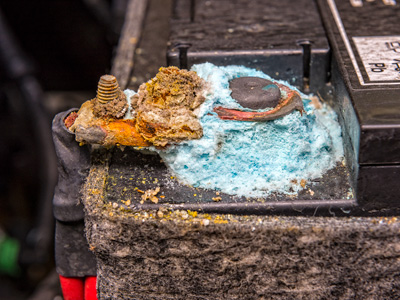
Credit: www.batteriesplus.com
Preventing Future Corrosion
Corrosion on battery terminals can transform your child’s favorite toy into a frustrating experience. But you can prevent this issue from recurring. With a few simple strategies, you can ensure that your toys remain in tip-top shape and ready for playtime. Let’s dive into the practical steps you can take to keep corrosion at bay.
Proper Battery Storage
Storing batteries correctly is crucial for preventing corrosion. Always remove batteries from toys when they’re not in use for long periods. This prevents battery leakage, which is the primary cause of corrosion.
Consider keeping batteries in a cool, dry place. Moisture and heat can accelerate corrosion. Using a dedicated battery organizer can help keep them organized and protected.
Can you recall the last time you left batteries in a toy for too long? It’s a common mistake, but easy to avoid with mindful storage habits.
Regular Maintenance Checks
Scheduling regular checks can save you a lot of hassle down the road. Set a reminder on your phone every few months to inspect toys for signs of corrosion. This proactive approach helps catch issues early.
During these checks, make sure to clean the battery compartments even if they appear clean. A soft, dry cloth can remove any residue that might lead to future corrosion.
Have you ever noticed how quickly toys can fall into disrepair without regular attention? Regular maintenance can keep them in good shape, ready for endless hours of fun.

Credit: www.youtube.com
Frequently Asked Questions
What Causes Battery Terminal Corrosion In Toys?
Battery terminal corrosion is often caused by leaking batteries. Leaks happen when batteries are old or damaged. This can lead to chemical reactions that create corrosion. Moisture and humidity can also contribute to corrosion. Regularly checking batteries and storing toys in a dry place can prevent this issue.
Is Corrosion On Toy Batteries Dangerous?
Yes, corrosion can be dangerous. It can damage toys and affect battery performance. Corrosion may cause short circuits or leaks. Handling corroded batteries can irritate the skin. Always wear gloves when cleaning corrosion. Dispose of heavily corroded batteries properly to avoid health and safety risks.
Can Vinegar Remove Battery Terminal Corrosion?
Yes, vinegar is effective for removing corrosion. It neutralizes the battery acid and cleans the terminals. Simply dip a cotton swab in vinegar and gently rub the corroded area. Rinse with water and dry thoroughly. Ensure the toy is completely dry before inserting new batteries.
How Often Should Toy Batteries Be Checked?
Check toy batteries every few months. Regular inspections prevent corrosion and damage. Remove batteries if toys won’t be used for a long time. Store toys in a cool, dry place to minimize corrosion risks. Always replace batteries once they start to show signs of wear or leakage.
Conclusion
Cleaning corrosion off battery terminals in toys is simple and important. Regular maintenance ensures toys work well and last longer. Start by gathering basic cleaning tools like vinegar and a toothbrush. Gently scrub the corroded areas to remove buildup. Make sure to dry everything thoroughly before reassembling.
This prevents future corrosion and keeps toys safe for kids. Always check the batteries for leaks or damage. Replace if necessary. Regular checks can save time and money. Keep your children’s toys in top condition with these easy steps. Happy cleaning!