Have you ever noticed those unsightly black spots on your child’s favorite bath toys? Mold isn’t just unattractive; it can be harmful to your family’s health.
If you’ve ever wondered how to effectively clean mold from bath toys, you’re in the right place. Imagine the peace of mind knowing your child’s playtime is safe and hygienic. You’ll discover simple steps to tackle mold and keep your bath toys fresh and clean.
You deserve a home free from mold worries, and your child deserves safe play. Let’s dive into the easy solutions that will transform your cleaning routine and ensure bath time remains fun and healthy.
Identifying Mold On Bath Toys
Bath toys often trap moisture, making them a perfect place for mold. Regular cleaning is essential to keep them safe. Use vinegar or a bleach solution to remove mold effectively.
Identifying mold on bath toys is crucial for a healthy bath time. Mold thrives in damp environments, making bath toys a perfect spot. Recognizing mold early can prevent health issues for your child. Mold appears as dark spots or patches on the toy’s surface. It can vary in color, often black or greenish. A musty smell is another indicator of mold. Regular inspections help catch mold before it spreads.
Check For Dark Spots
Examine toys closely for any unusual dark spots. These spots are often the first sign of mold. Pay attention to crevices and seams where water collects.
Look For Color Changes
Mold can cause toys to change color. Check for any unusual discoloration. Green, brown, or black hues might indicate mold growth.
Smell The Toys
A musty or earthy odor suggests mold presence. Give toys a sniff test. If they smell off, mold might be lurking.
Inspect Seams And Holes
Seams and holes trap water, promoting mold growth. Check these areas thoroughly. They are common places for mold to hide.
Observe Slimy Surfaces
Mold can make surfaces slimy or sticky. Feel the toy’s surface for any unusual texture. Slime indicates potential mold.
Credit: www.rd.com
Essential Cleaning Supplies
Cleaning mold from bath toys requires essential supplies like white vinegar, baking soda, and a toothbrush. Soak toys in a vinegar solution, scrub with baking soda, and rinse thoroughly. Regular cleaning keeps bath toys safe and mold-free.
Cleaning mold from bath toys requires specific supplies. Choosing the right products ensures effective mold removal and keeps toys safe for children. Gather these essential items to make cleaning easy and efficient.
Vinegar
White vinegar is a natural cleaner. It kills mold and disinfects surfaces. Use vinegar to soak toys or wipe them down.
Bleach
Bleach is powerful against mold. Mix bleach with water for a strong cleaning solution. Ensure proper ventilation while using bleach.
Baking Soda
Baking soda acts as a gentle scrub. It removes mold and deodorizes toys. Combine with water to form a paste for scrubbing.
Dish Soap
Dish soap cleans toys effectively. It removes dirt and mold particles. Use it with warm water for best results.
Old Toothbrush
An old toothbrush reaches small crevices. It helps scrub away mold from tight spots. Ensure the brush is clean before use.
Cleaning Cloth
A soft cloth wipes toys clean. Use it with cleaning solutions to remove mold. Ensure the cloth is free from lint.
Bucket Or Basin
A bucket holds cleaning solutions. Use it to soak toys in vinegar or bleach mixture. Ensure the basin is clean and spacious.
Rubber Gloves
Rubber gloves protect hands. They are essential when handling bleach or vinegar. Choose gloves that fit comfortably.
Drying Rack
A drying rack allows toys to air dry. Proper drying prevents mold from returning. Place toys in a well-ventilated area.
Spray Bottle
A spray bottle distributes cleaning solutions evenly. Use it for vinegar or bleach mixtures. Ensure the nozzle works well.
Preparing A Cleaning Solution
Preparing a Cleaning Solution Create a solution using equal parts of white vinegar and water. Soak the toys for 10-15 minutes. Rinse thoroughly to remove mold and vinegar smell.
Cleaning mold from bath toys is essential for keeping your child’s playtime safe. Mold can develop quickly in damp environments, such as bathrooms. Preparing the right cleaning solution is crucial for effectively removing mold. This section will guide you through creating a powerful yet safe cleaning solution.
Ingredients Needed
Gather a few household items to make the cleaning solution. You will need white vinegar, baking soda, and warm water. These ingredients help eliminate mold without harmful chemicals.
Mixing The Solution
Start by filling a bowl with warm water. Add one cup of white vinegar to the water. Stir gently to mix the vinegar thoroughly. White vinegar is a natural mold killer.
Adding Baking Soda
Sprinkle baking soda into the vinegar solution. Use about half a cup. The mixture will fizz, indicating it’s working to fight mold. Baking soda adds extra cleaning power.
Safety Precautions
Ensure the area is well-ventilated. The vinegar smell can be strong. Open a window or use a fan. If you have sensitive skin, wear gloves to protect your hands.
Testing The Solution
Test the solution on a small part of the toy. Check if the toy’s material reacts well. This step avoids damage to the toys. If there’s no reaction, proceed to clean all toys. Creating a safe and effective cleaning solution is simple. Using natural ingredients helps protect your children from harsh chemicals.
Credit: www.tiktok.com
Soaking Bath Toys
Cleaning mold from bath toys involves soaking them in a mixture of water and vinegar. Scrub away visible mold with a brush, ensuring all surfaces are reached. Rinse thoroughly with clean water and allow them to dry completely before use.
Bath time can be a joyful experience for kids, filled with splashes and laughter. However, those adorable bath toys can become a breeding ground for mold if not cleaned properly. Soaking bath toys is a straightforward yet effective technique to keep them clean and safe for your little ones. Imagine the relief of knowing your child is playing with clean toys during their bath. Here’s how you can achieve that.
Gather Your Supplies
Before you begin, make sure you have all the necessary supplies. You’ll need white vinegar or bleach, a large bucket or container, and warm water. Having a small brush or an old toothbrush on hand is helpful for scrubbing any stubborn spots.
Prepare The Cleaning Solution
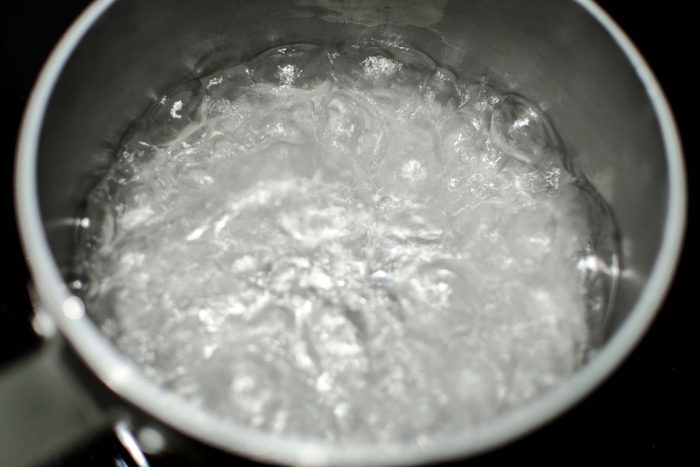
Fill your bucket or container with warm water. Add one cup of white vinegar or, if you prefer, a tablespoon of bleach for every gallon of water. Both options effectively kill mold and disinfect the toys.
Submerge The Toys
Place the bath toys in the cleaning solution. Ensure they are fully submerged for maximum effectiveness. Let them soak for about an hour to allow the solution to work its magic.
Scrub Away Mold
After soaking, inspect each toy. Use the small brush to scrub any remaining mold or mildew. Pay special attention to hard-to-reach areas, such as crevices or small holes.
Rinse Thoroughly
Rinse each toy with clean water to remove any residue from the cleaning solution. This step is crucial to prevent any lingering chemicals from coming into contact with your child’s skin.
Dry Completely
Ensure the toys are completely dry before storing them away. Mold thrives in moist environments, so drying them thoroughly helps prevent future growth. You can use a towel to dry them or leave them to air dry. Soaking bath toys isn’t just about cleanliness; it’s about peace of mind. Regular cleaning ensures a safer bath environment for your child. Plus, who wants to worry about mold when it’s time for fun?
Scrubbing Techniques
Effective scrubbing techniques help remove mold from bath toys. Use a mixture of vinegar and water for cleaning. Scrub thoroughly with a brush and rinse well to ensure toys are safe for play.
Cleaning mold from bath toys can be a daunting task, but with the right scrubbing techniques, you can ensure your child’s toys are safe and hygienic. Mold can be stubborn, but don’t worry—there are effective ways to tackle it. Using the right tools and methods can make all the difference. Before you begin, gather your supplies and prepare for some scrubbing action.
Using A Toothbrush For Precision
A toothbrush can be your best ally when cleaning bath toys. Its bristles reach into tiny crevices where mold loves to hide. Use an old toothbrush and dedicate it to cleaning. Apply some cleaning solution directly onto the toy and scrub gently. You’ll be amazed at how well it can remove those stubborn spots.
Choosing The Right Cleaning Solution
Select a cleaning solution that is both effective and safe. A mix of white vinegar and water can be great for this purpose. Alternatively, you can use a mild dish soap. Make sure the solution is non-toxic, especially since the toys will be used by children. Apply the solution generously to ensure it reaches all moldy areas.
Utilizing Baking Soda For Tough Stains
Baking soda is excellent for tackling tough mold stains. Make a paste using baking soda and water. Apply it to the affected areas and scrub with your toothbrush. The abrasive texture of baking soda helps lift mold without damaging the toy. Let it sit for a few minutes before rinsing thoroughly.
Consider Using A Scrubbing Pad
For larger toys or those with flat surfaces, a scrubbing pad can be very effective. It covers more area and can be used to apply consistent pressure. Ensure the pad is not too abrasive to avoid scratching. Gently scrub the toy, focusing on moldy spots. This technique is great for toys that need a bit more elbow grease.
Rinsing And Drying Thoroughly
After scrubbing, it’s crucial to rinse the toys well. Use warm water to ensure all cleaning solutions are washed away. Pat the toys dry with a towel or let them air dry completely. Proper drying prevents mold from forming again. Did you know leaving toys damp is an open invitation for mold to return? Cleaning bath toys may seem like a hassle, but using these scrubbing techniques makes the process straightforward. You’ll have peace of mind knowing your child’s toys are safe to play with.
Rinsing And Drying
Rinsing and Drying Rinse toys with warm water to remove mold and cleaning residue. Allow them to dry completely before use.
Bath toys can be a breeding ground for mold if not properly cared for. After you’ve scrubbed away the visible mold, the next crucial step is rinsing and drying. This ensures no mold spores are left behind and helps keep the toys safe for your little ones. Before you start, consider this: Have you ever wondered how much water your child’s bath toys actually retain?
Thorough Rinsing
Begin by rinsing each toy under warm running water. Make sure to flush out any soapy residue from inside the toys. Squeeze the toys repeatedly to ensure the water flows through any small openings. This helps remove leftover mold particles. Check if any residue remains. If needed, use a small brush to gently clean hard-to-reach areas.
Effective Drying
After rinsing, thoroughly squeeze out all excess water from the toys. This step is crucial to prevent mold re-growth. Lay the toys on a clean, dry towel. Ensure they are not touching each other to allow air to circulate. Position the toys in a sunny or well-ventilated area. Direct sunlight can help speed up the drying process and kill any remaining spores.
Storage Tips
Once dry, store the toys in a mesh bag or on a wire rack. This allows any trapped moisture to evaporate. Consider hanging the toys in a spot with good airflow, like above the tub. This prevents dampness from building up. Remember, regular cleaning and proper drying extend the lifespan of bath toys. Wouldn’t you rather spend a few extra minutes ensuring your child’s safety than dealing with moldy surprises later?
Preventive Measures
Regularly clean bath toys to prevent mold growth. Use a mixture of vinegar and water for effective cleaning. Rinse thoroughly and let them dry completely to avoid moisture buildup.
Preventive measures keep bath toys mold-free. These steps will save you time and effort. Follow them to maintain a healthy environment for your children.
Regular Cleaning Routine
Create a cleaning schedule for bath toys. Wash them weekly in warm soapy water. Scrub thoroughly to remove any residue. Rinse them well to ensure no soap remains. Dry toys completely before storing. This routine reduces mold risk significantly.
Proper Storage Tips
Store bath toys in a dry place. Use mesh bags or open containers for storage. Good airflow helps dry toys faster. Avoid sealed containers that trap moisture. Keep toys away from direct sunlight. Sunlight can cause toys to degrade over time.

Credit: www.youtube.com
Choosing Mold-resistant Toys
Cleaning mold from bath toys involves simple steps. Mix vinegar and water, scrub with a brush, rinse thoroughly. Dry toys completely to prevent mold from returning. Regular cleaning ensures toys stay safe and mold-free for kids.
Choosing bath toys that resist mold can make cleaning easier. Mold-resistant toys often feature designs that prevent water from getting trapped. This reduces the chance of mold growth. Look for toys made from materials that dry quickly. Silicone and rubber are popular choices. They are less likely to harbor moisture than plush or fabric toys.
Choosing Materials Wisely
Select toys crafted from non-porous materials. These materials do not absorb water easily. They help keep mold away. Hard plastic and silicone are ideal options. They dry fast and are easy to clean. Avoid toys with small openings or crevices. Water can get trapped in them, encouraging mold growth.
Opt For Simple Designs
Simple toy designs mean fewer places for mold to hide. Toys with smooth surfaces are easier to wipe clean. They often dry more quickly. Avoid toys with intricate details. These can trap moisture and are harder to clean thoroughly.
Consider Toys With Drainage
Toys with built-in drainage holes are practical. They allow water to escape after bath time. This helps keep them dry and mold-free. Ensure that drainage holes are large enough for water to flow out. Small holes can become clogged, trapping water inside.
Check For Sealed Edges
Look for toys with sealed edges. This prevents water from seeping inside. Sealed toys are less likely to develop mold. Inspect toys regularly for any breaks in seals. Replace toys if they start to leak.
Natural Cleaning Alternatives
Cleaning mold from bath toys can be done using natural alternatives. Create a solution with equal parts white vinegar and water. Soak toys for 30 minutes, scrub gently, then rinse thoroughly to remove mold.
Cleaning mold from bath toys can be a daunting task, especially when you want to avoid harsh chemicals. Thankfully, natural cleaning alternatives offer a safe and effective way to tackle mold without compromising the health of your family. These methods are not only environmentally friendly, but they also provide peace of mind knowing that your little one’s toys are free from harmful residues.
Baking Soda Paste
Mixing baking soda with water creates a powerful paste that can remove mold effectively. Simply apply the paste onto the affected area of the toy, scrub gently, and rinse thoroughly. Baking soda is a natural deodorizer, leaving toys smelling fresh and clean.
Vinegar Solution
White vinegar is a superhero when it comes to battling mold. Fill a spray bottle with equal parts of vinegar and water, then spray the solution directly onto the moldy surface. Let it sit for a few minutes before wiping it off. You might be surprised at how well vinegar works, and it leaves no toxic residue behind.
Hydrogen Peroxide Spray
Hydrogen peroxide is another effective mold killer. Spray a 3% hydrogen peroxide solution onto the mold, allowing it to sit for about 10 minutes. Afterward, wipe the surface clean. It’s a simple method that can be done quickly, leaving toys sparkling clean.
Essential Oils Mix
Essential oils like tea tree or lavender not only smell great but also have antifungal properties. Add a few drops to a water-filled spray bottle and use it to clean moldy areas. The pleasant aroma is a bonus, making bath time enjoyable for both you and your child.
Sunlight Drying
After cleaning, ensure the toys dry completely in sunlight. Sunlight is a natural disinfectant that further helps in eliminating any remaining mold spores. Plus, it’s an effortless method that harnesses the power of nature. Have you tried any of these methods before? How do you ensure your bath toys remain mold-free? Share your thoughts in the comments!
Frequently Asked Questions
How To Identify Mold In Bath Toys?
Mold in bath toys often appears as black or dark spots. It can also produce a musty smell. Regularly inspect toys, especially those with holes or crevices. If you notice any discoloration or odor, it’s likely mold. Ensuring toys dry thoroughly after each use can prevent mold growth.
What Is The Safest Way To Clean Bath Toys?
The safest way to clean bath toys is using a vinegar solution. Mix one part white vinegar with two parts water. Soak the toys for an hour, then scrub and rinse thoroughly. This method is effective and non-toxic, ensuring your child’s safety while removing mold and bacteria.
How Often Should I Clean Bath Toys?
You should clean bath toys every week to prevent mold buildup. Regular cleaning helps maintain hygiene and ensures toys remain safe for children. Additionally, always dry toys thoroughly after each use. This practice prevents moisture buildup, which is a common cause of mold growth.
Can I Prevent Mold In Bath Toys?
Yes, you can prevent mold by drying toys thoroughly after each bath. Store them in a dry, ventilated area. Seal any holes in toys with waterproof glue to prevent water from entering. Regularly inspect and clean toys to ensure no mold starts forming.
Conclusion
Cleaning mold from bath toys is simple with these steps. Regular cleaning keeps toys safe for kids. Use vinegar or bleach to kill mold. Rinse toys thoroughly after cleaning. Dry them well to prevent mold growth. Consider storing toys in a dry place.
This keeps them mold-free longer. Remember to check for mold often. Consistent care ensures healthy playtimes. Happy and safe bath times await your family! Enjoy peace of mind knowing your bath toys are clean.