How to Clean Baby Toys: A Parent’s Essential Guide
As a parent, you know that keeping your baby’s toys clean isn’t just about tidiness; it’s about safeguarding their health and happiness. Toys are more than just playthings—they’re a source of comfort and learning.
But they’re also magnets for germs and dirt. Have you ever wondered if the toys your baby loves to chew on are as clean as they should be? Imagine the peace of mind you could have knowing every toy in your home is safe for your little one.
In this guide, you’ll discover simple, effective methods to ensure your baby’s toys are spotless and germ-free. Let’s turn what might seem like a daunting task into a straightforward routine that fits seamlessly into your busy life.
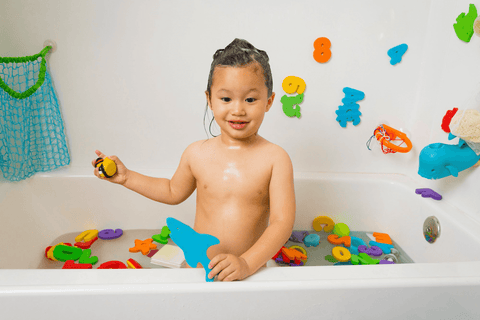
Credit: keababies.com
Types Of Baby Toys
Understanding the different types of baby toys is essential for proper cleaning. Each type requires specific care to ensure safety and longevity. From soft and plush toys to electronic ones, knowing how to handle them can keep your baby safe.
Soft And Plush Toys
Soft and plush toys are cuddly and comforting. They often attract dust and germs due to their fabric nature. Regular washing helps maintain their freshness. Use mild detergent and warm water for handwashing. For machine washing, place them in a pillowcase or laundry bag.
Plastic Toys
Plastic toys are durable and easy to clean. They can withstand regular washing without damage. Use warm soapy water or a mixture of vinegar and water for disinfecting. Rinse thoroughly to remove soap residues. Ensure they are completely dry before returning them to your child.
Wooden Toys
Wooden toys are sturdy but need careful handling. Excess water can damage them. Use a damp cloth with mild soap for cleaning. Avoid soaking them in water. Dry them immediately after cleaning to prevent moisture damage. Applying a natural oil occasionally keeps them in good condition.
Electronic Toys
Electronic toys require special care due to their components. Avoid water contact to prevent damage. Use a dry cloth or a slightly damp one for surface cleaning. Remove batteries if necessary during cleaning. Ensure all parts are dry before reassembling and using again.
Cleaning Frequency
Regular cleaning keeps baby toys safe and germ-free. Aim for weekly cleaning, especially for frequently used toys. Always check cleaning instructions for each toy type.
Cleaning your baby’s toys regularly is essential to ensure they remain safe and hygienic. But how often should you actually clean them? The frequency of cleaning depends on the type of toy and how often it’s used. Understanding the right cleaning schedule can keep your little one healthy and happy.Daily Cleaning Needs
Everyday cleaning doesn’t have to be exhaustive. Focus on toys that your baby frequently puts in their mouth. A quick wipe with a damp cloth or a baby-safe disinfectant can do wonders. Consider keeping a small cleaning kit handy. This could include a spray bottle with a mild cleaning solution and a soft cloth. It makes it easier to quickly clean toys after playtime.Weekly Deep Cleaning
Once a week, dedicate some time to thoroughly clean your baby’s toys. This involves more than just a wipe down. Submerge plastic toys in warm, soapy water and scrub gently. For stuffed toys, check if they’re machine washable. If not, spot clean with a gentle soap solution. Ensure all toys are completely dry before returning them to your baby.When To Clean Immediately
Certain situations require immediate cleaning. If a toy falls on the floor during an outing, give it a quick clean before handing it back to your baby. Spills or contact with food are also indicators for an immediate wash. Think about your baby’s recent activities. Did they play outside or have a playdate? It’s wise to clean toys after these activities to avoid spreading germs. Are you keeping up with your toy cleaning schedule? It might seem tedious, but a consistent routine can prevent illnesses and keep your baby’s playtime safe.Safe Cleaning Products
Cleaning baby toys safely involves using non-toxic products. Opt for solutions like vinegar or mild soap, ensuring thorough rinsing. Regularly disinfect toys to maintain hygiene and protect your child’s health.
Cleaning baby toys requires safe products to protect your child. Many cleaning products contain harsh chemicals that can harm your baby. It’s crucial to choose safe cleaning solutions that ensure toys are clean and free from harmful residues. Here are some effective approaches:Natural Cleaning Solutions
Natural cleaners are gentle on toys and safe for babies. Vinegar and baking soda make excellent cleaning agents. Mix equal parts of vinegar and water for a cleaning spray. Baking soda can be used to scrub stubborn stains. These solutions effectively clean without leaving toxic residues.Avoiding Harmful Chemicals
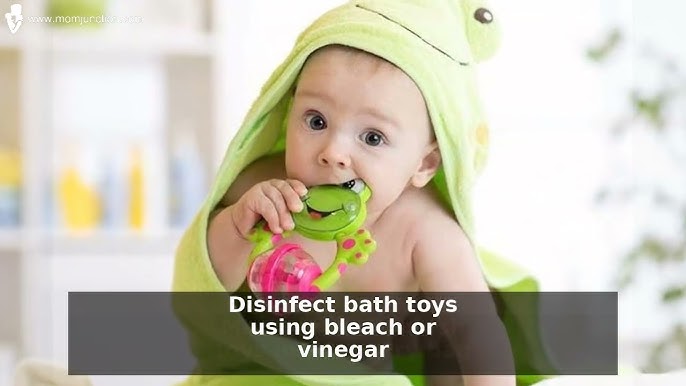
Avoid cleaning products with bleach or ammonia. These chemicals can irritate skin and eyes. Read labels carefully to ensure products are non-toxic. Choose fragrance-free and hypoallergenic options. This minimizes the risk of allergic reactions.Diy Cleaning Solutions
Create your own cleaning solutions at home. Mix lemon juice with water for a fresh scent. Combine mild dish soap with warm water for washable toys. Use a soft brush for detailed cleaning. This ensures toys are thoroughly cleaned and safe for play.
Credit: purezest.ca
Cleaning Methods
Keeping baby toys clean ensures a safe play environment. Use mild soap and water for plastic toys. Wipe wooden toys with vinegar and water solution to prevent damage.
Cleaning Methods Keeping baby toys clean is crucial for your child’s health. Dirt and germs easily accumulate on toys. Regular cleaning helps prevent infections and illnesses. Different toys need different cleaning methods. Follow these simple techniques to ensure toys are safe for your baby.Hand Washing Techniques
Many toys can be cleaned by hand. Fill a basin with warm water and mild soap. Use a cloth or sponge to scrub the toy gently. Rinse thoroughly to remove soap residue. Dry the toy with a clean towel. This method works well for plastic and rubber toys.Using A Dishwasher
Some toys are dishwasher-safe. Check the toy label for safety instructions. Place toys on the top rack of the dishwasher. Use a gentle cycle with mild detergent. This method is great for hard plastic toys. Avoid using hot water for soft toys.Washing Machine For Plush Toys
Plush toys can be cleaned in a washing machine. Place the toy in a pillowcase or mesh bag. Use a gentle cycle with cold water and mild detergent. Air-dry the toy afterward. Ensure it is completely dry before use.Disinfecting Electronic Toys
Electronic toys require careful cleaning. Use a damp cloth with a little soap. Avoid getting water in battery compartments. Dry the toy with a soft towel. Use disinfectant wipes to kill germs. Always follow the manufacturer’s instructions.Drying And Storing Toys
Clean and dry baby toys thoroughly to ensure safety. Use mild soap and water, then let them air dry. Store in a dry, clean area to prevent germs.
Drying and storing baby toys is crucial for keeping them safe and clean. After washing, toys need proper drying to prevent bacteria and germs. Correct storage ensures toys remain fresh and damage-free. Here’s how you can dry and store them effectively.Air Drying Methods
Use a clean towel to pat toys dry. Place them on a drying rack. Ensure toys are spread out. This allows air to circulate freely. Sunlight can help, too. Place toys in a sunny spot. Sunlight acts as a natural sanitizer.Preventing Mold And Mildew
Moisture leads to mold and mildew. Ensure toys are completely dry. Check crevices and small parts. Use a fan for quicker drying. Avoid storing damp toys. Moisture invites bacteria. Always inspect toys regularly. Look for signs of mold. Discard any affected toys immediately.Proper Toy Storage
Choose a dry storage area. Avoid damp basements or attics. Use bins with lids. Label bins for easy access. Organize toys by type or size. Keep small parts together. Ensure storage is out of direct sunlight. Prolonged sun can fade toys. Rotate toys regularly. This keeps playtime exciting.Maintenance Tips
Cleaning baby toys regularly ensures they remain safe and hygienic. Use mild soap and warm water for washable toys. Disinfect non-washable toys with a gentle disinfectant spray or wipes.
Maintaining the cleanliness and condition of your baby’s toys is essential for their safety and enjoyment. But how do you ensure they remain in good shape while also keeping them germ-free? Here are some practical maintenance tips to help you keep your child’s playtime both fun and safe.Regular Inspection For Damage
Take a moment each week to examine your baby’s toys. Look for cracks, loose parts, or sharp edges that might pose a risk. A quick glance can prevent potential injuries and keep your child safe. Imagine the relief of finding a loose wheel on a toy car before it becomes a choking hazard. It’s worth setting aside a little time to ensure everything is intact and safe for play.Replacing Worn-out Toys
No toy lasts forever. When a toy shows signs of wear and tear, it’s time to replace it. If a plush toy starts losing its stuffing or a puzzle piece goes missing, consider swapping them out. It’s like upgrading your child’s play experience, keeping it fresh and engaging. Plus, new toys can stimulate their imagination and learning. Are there toys in your child’s collection that have seen better days?Organizing A Cleaning Routine
Create a simple cleaning schedule to keep toys hygienic. A weekly wipe-down with mild soap and water can do wonders. Consider setting a reminder on your phone to make it a habit. You might find it helpful to clean bath toys after every use to prevent mold. Organizing the routine not only keeps germs at bay but also makes cleaning less overwhelming. Wouldn’t it be great to have peace of mind knowing your baby’s toys are spotless?:max_bytes(150000):strip_icc()/How-to-clean-baby-toys-5214136-3866d337300b4b13bed733b58b646ef4.png)
Credit: www.parents.com
Frequently Asked Questions
How Often Should I Clean Baby Toys?
Regular cleaning is essential for baby toys. Clean toys weekly or more often if they are frequently used. This helps prevent germ buildup, ensuring a safe environment for your child. Always wash toys after playdates or illness to maintain hygiene.
What Is The Safest Way To Clean Plush Toys?
To clean plush toys safely, use a gentle laundry detergent in a washing machine. Choose a delicate cycle with cold water, then air dry them. This helps remove dirt and bacteria without damaging the toy’s fabric or structure.
Can I Use Vinegar To Clean Baby Toys?
Yes, vinegar is a safe, natural cleaner for baby toys. Mix equal parts water and white vinegar in a spray bottle. Spray the solution on toys, then wipe with a clean cloth. Vinegar effectively removes germs and is safe for most materials.
Are Disinfectant Wipes Safe For Baby Toys?
Disinfectant wipes are generally safe for hard baby toys. Ensure wipes are free from harsh chemicals by checking labels. After wiping, allow the toy to dry completely before use. Avoid using wipes on plush or porous toys as they may damage the material.
Conclusion
Keeping baby toys clean is essential for safety. Regular cleaning prevents germs. Use safe cleaning methods. These include soap and water or vinegar solutions. Dry toys thoroughly after washing. Check labels for specific care instructions. Rotate toy cleaning to manage time better.
Make cleaning a fun activity with your child. Teach them simple cleaning steps. Encourage them to help with toy care. Safe practices ensure healthy play. Clean toys boost your child’s well-being. Simple habits make a big difference. Your little one’s health is worth the effort.
Enjoy safe, happy playtime every day!