How to Organize Toys: Expert Tips for Clutter-Free Spaces
Is your home feeling more like a toy store after a tornado? Stepping on a stray Lego or tripping over a teddy bear can be more than just a nuisance.
It can disrupt the peace and comfort of your living space. But imagine walking into a tidy room where every toy has its place. Sounds dreamy, right? Organizing toys isn’t just about tidying up; it’s about reclaiming your space and sanity.
Plus, teaching your kids the art of organization can be a game-changer in their development. In this guide, you’ll discover simple, effective strategies to transform that chaotic pile of toys into a harmonious haven. Ready to turn chaos into order and bring joy back to your playroom? Let’s dive in.
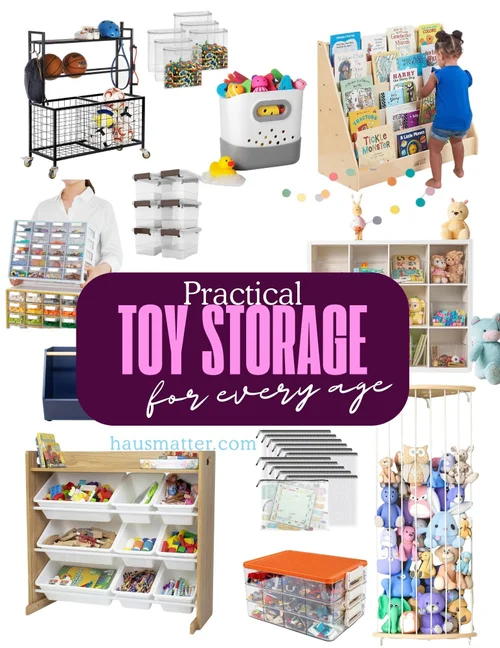
Credit: www.hausmatter.com
The Importance Of Toy Organization
Organizing toys helps maintain a tidy and stress-free environment. Use bins and labels for easy sorting. Keep frequently used toys accessible to encourage play and creativity.
The Importance of Toy Organization Toy organization might seem like a minor task, but its impact can be substantial. Imagine walking into a room where every toy has its place; suddenly, playtime becomes more enjoyable and less stressful. Not only does this create a serene environment, but it also promotes healthy habits in children.Reducing Stress For Both Parents And Kids
A cluttered play area can be overwhelming for everyone. When toys are organized, parents can relax knowing they won’t trip over stray cars or step on a rogue LEGO. Children also benefit from a tidy space, as it encourages focused play and creativity.Teaching Responsibility And Independence
Organizing toys helps instill a sense of responsibility in children. By knowing where each toy belongs, kids learn to clean up after themselves. This practice fosters independence, encouraging them to manage their own space and belongings.Maximizing Playtime Efficiency
An organized toy area means more playtime and less searching. Kids can quickly find their favorite toys and dive into their imaginative worlds. This efficiency keeps playtime fun and uninterrupted, sparking creativity and joy.Creating A Safe Environment
Safety is a crucial aspect of toy organization. By keeping toys off the floor, you minimize the risk of accidents. Organized shelves and bins ensure that toys are accessible and safe, preventing injuries and mishaps.Encouraging Sharing And Social Skills
A well-organized play space invites sharing and cooperative play. When toys are easy to find and access, children are more likely to share with siblings or friends. This environment nurtures social skills, teaching kids the value of cooperation and kindness. As you consider organizing your child’s toys, think about the positive ripple effects it can have on your home. What changes will you notice once everything is in its rightful place?Assessing Your Space
When it comes to organizing toys, the first step is to assess your space. Understanding the layout and limitations of your room can significantly impact how effectively you can organize. By taking stock of what you have and where it can go, you can create a system that works for both you and your kids.
Identifying Problem Areas
Start by walking around the room and noting where toys tend to pile up. Is there a corner that’s always cluttered or a shelf that’s overflowing? Identifying these problem areas will help you address specific issues rather than attempting an overhaul without a clear plan.
Consider the flow of the room. Are toys blocking pathways or causing tripping hazards? If so, these are critical areas to focus on for safety and accessibility.
Evaluating Storage Options
Once you’ve pinpointed the problem areas, it’s time to evaluate your storage options. Look around your home for unused baskets, bins, or shelves that can be repurposed. You might be surprised at how many storage solutions you already own.
Think vertically. Wall-mounted shelves or hanging organizers can save floor space and keep toys off the ground. This not only helps with organization but also teaches children to return items to their designated spots.
Do you have furniture that can double as storage? Ottomans with hidden compartments or beds with drawers can provide extra space without adding clutter. Get creative and think outside the box!
Sorting And Decluttering
Organize toys by sorting them into categories like dolls, cars, and puzzles. Use clear bins or boxes for storage. Label each container for easy access and cleanup.
Sorting and decluttering toys can transform your home into a peaceful haven. It’s not just about tidying up; it’s about creating a space where your children can play freely and creatively. By systematically organizing toys, you can make daily cleanup routines quicker and less stressful. Let’s dive into the key steps for sorting and decluttering, focusing on how to categorize toys and decide what to keep.Categorizing Toys
Start by laying out all the toys in one area. This gives you a clear view of what you have. Begin categorizing them into groups: dolls, cars, puzzles, art supplies, and so on. Use boxes or baskets for each category. Label them clearly to make future organization easier. Consider age-appropriateness. Separate toys your child has outgrown from those they still enjoy. As you categorize, think about how often each toy is used. Do some toys always end up at the bottom of the toy chest?Deciding What To Keep
Ask yourself: Does this toy still spark joy for your child? If not, it might be time to let it go. Evaluate the condition of each toy. Broken or incomplete items can be tossed or recycled. Be mindful of sentimental value. Some toys might hold precious memories, but be realistic about how many you keep. Consider space constraints. Do you have room for all the toys you’re choosing to keep? Create a rotation system for less frequently used toys. Store some away and swap them out periodically to keep things fresh. What if you could donate or sell some toys? It’s a great way to teach your child about sharing and generosity while clearing space. Remember, organizing toys is not a one-time task. Regularly revisit your sorting and decluttering process to keep your home clutter-free and your child happy.
Credit: www.momsandcrafters.com
Choosing The Right Storage Solutions
Organizing toys becomes easier with the right storage solutions. Use bins for easy sorting and access. Shelves can display favorite toys while keeping them tidy.
Organizing toys can feel like an endless battle, especially when you don’t have the right storage solutions in place. Choosing the right storage solutions can make a significant difference in keeping your space tidy and ensuring that toys are easily accessible for your kids. It’s not just about finding a spot for every toy; it’s about creating a system that works for your family. Let’s dive into the best storage solutions that can transform your living space.Baskets And Bins
Baskets and bins are a versatile storage option that can be both functional and stylish. They come in various sizes, colors, and materials, allowing you to pick ones that match your home decor. Consider using clear bins for smaller toys like Lego pieces or action figures, so kids can easily see what’s inside. Baskets with handles are great for plush toys and can be carried from room to room. Labeling each basket or bin can help your children learn where each toy belongs, making cleanup time a breeze.Shelving Units
Shelving units are perfect for maximizing vertical space. They can hold a variety of toys while keeping them off the floor. Install adjustable shelves to accommodate toys of different sizes. Low shelves are great for young children, allowing them to reach their favorite toys without help. Adding a few decorative elements like framed photos or plants can make the shelves an integrated part of your home decor.Creative Storage Ideas
Think outside the box with creative storage solutions that double as play areas. Consider using a toy hammock for stuffed animals; it keeps them off the ground and adds a fun element to the room. Under-bed storage drawers are perfect for off-season toys or board games, making them easy to access when needed. Magnetic strips or pegboards on the wall can hold metal cars or small toys, turning storage into an engaging display. What unique storage solution can you create that adds both function and fun to your child’s play area?Implementing An Organization System
Organizing toys can feel like an endless battle against the tide, but implementing an effective organization system can transform chaos into calm. Imagine walking into a room where every toy has its place, and finding that missing puzzle piece is a breeze. With a bit of creativity and commitment, you can create a system that not only tidies up the mess but also encourages your kids to maintain it. Let’s dive into practical strategies that will make toy organization a part of your daily routine.
Labeling Techniques
Labels are your best friend when it comes to toy organization. They provide a clear indication of where each toy belongs, making it easier for both you and your children to keep things tidy. You can use a label maker for neat and uniform labels, or get creative with colorful stickers and fun fonts. Not only do labels help with organization, but they also aid in teaching kids the responsibility of putting toys back in the correct spot.
Consider using pictures for younger children who can’t read yet. This visual cue can be a game-changer in helping them understand where things go. Do you find certain labels aren’t working? Don’t hesitate to tweak and change them as needed. The key is to make the system intuitive and easy to follow.
Creating Zones
Creating distinct zones for different types of toys can revolutionize your organization approach. Think of it like setting up mini areas for various activities: a reading corner, a building block zone, or a dollhouse section. When toys are grouped by category, it simplifies the process of finding and storing them.
Use furniture and storage units to delineate these zones. Shelving units, baskets, and bins can act as boundaries, keeping toys in their designated areas. This method not only organizes but also encourages children to focus on one activity at a time. Have you tried creating zones in your home yet?
Daily Maintenance Tips
Once your system is in place, maintaining it daily is key to long-term success. Establish a routine where tidying up becomes a regular part of the day, like right before dinner or bedtime. This consistency helps reinforce the habit and ensures toys don’t pile up.
Make it a fun activity by turning it into a game or challenge. Setting a timer can add excitement and motivate kids to beat the clock. Consider having a reward system for completing tasks, like extra playtime or a small treat. How do you encourage your kids to tidy up?
Remember, consistency is crucial. The more you make organizing a part of daily life, the easier it becomes. With these techniques, your toy chaos can transform into a harmonious system that works for everyone involved.
Involving Kids In The Process
Engage children by letting them sort toys into categories. They can decide what stays or goes. Encourage creativity in organizing with colorful bins or labels.
Involving kids in organizing toys can be an exciting adventure. It teaches them important skills while making cleanup less of a chore. With the right approach, kids learn to appreciate tidiness and gain a sense of ownership over their space.Teaching Responsibility
Kids learn best through experience. Involve them in sorting toys into categories. Explain why each toy belongs in its designated spot. This teaches them the importance of organization. Encourage them to decide where each toy goes. They learn accountability. Praise their efforts. It boosts confidence and reinforces responsibility.Making Cleanup Fun
Turn cleaning into a playful activity. Create games that involve sorting and storing toys. Race to see who can put away toys fastest. Use a timer for added excitement. Sing songs or play music while cleaning. This makes the process enjoyable. Offer small rewards for a job well done. Stickers or extra playtime work wonders. Keep the atmosphere light and cheerful. This makes cleanup a positive experience.Long-term Maintenance Strategies
Creating a system for organizing toys ensures a clutter-free and accessible play area. Use clear bins or boxes labeled by category to keep toys sorted. Regularly declutter and donate unused toys to maintain order and manage space efficiently.
Organizing toys is not just a one-time task; it requires a thoughtful approach to ensure long-term success. By implementing effective maintenance strategies, you can keep the chaos at bay and create a clutter-free environment that evolves with your child’s needs. Let’s delve into two critical aspects of maintaining toy organization over time: regular decluttering and adapting to changing needs.Regular Decluttering Sessions
Regular decluttering is key to keeping toy chaos under control. Schedule sessions every few months to review and tidy up the collection. This helps in identifying toys that are no longer played with or are damaged. Create a system where you involve your child in the process. You can ask them to choose a few toys to donate. This not only keeps the toy stash manageable but also teaches valuable lessons in sharing and empathy. Keep decluttering fun and rewarding. You might set up a small reward system for your child, like a sticker chart, to encourage participation. Wouldn’t it be nice to see them excited about tidying up?Adapting To Changing Needs
Children grow and change rapidly, and so do their interests. It’s crucial to adapt your toy organization strategies as their needs evolve. Take note of their favorite activities and adjust storage solutions accordingly. Perhaps a new interest in building blocks calls for additional bins or shelves. Consider rotating toys to keep them fresh and exciting. Store some away for a while, then reintroduce them. This keeps playtime engaging without overwhelming your space. Stay flexible. As your child grows, their need for different types of toys will change. Are there toys that they’ve outgrown or lost interest in? Adapt your organization strategy to reflect their current stage.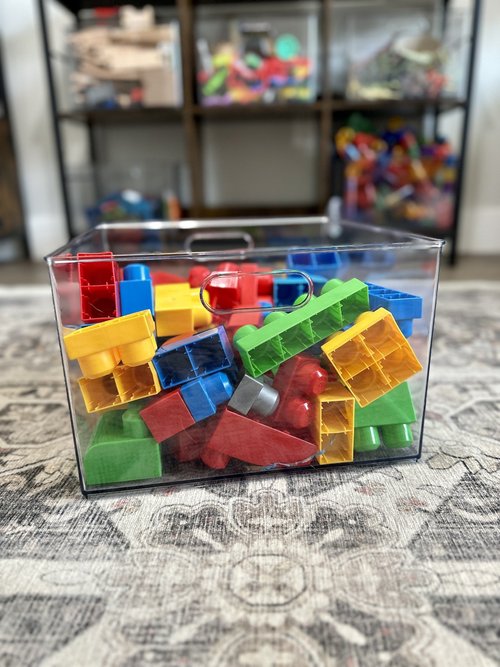
Credit: mrsashleyfrench.com
Frequently Asked Questions
What Is The Best Way To Sort Toys?
Sorting toys by category is effective. Group similar items like building blocks, dolls, and puzzles together. Use clear bins for storage. Label each bin for easy identification. Regularly rotate and declutter toys to maintain organization and reduce clutter.
How Can I Make Toy Cleanup Fun?
Turn cleanup into a game by setting a timer. Challenge your child to finish before time runs out. Use songs or rewards for motivation. Create a routine to encourage consistency. This approach makes cleaning less of a chore and more engaging.
How Do I Organize Toys In Small Spaces?
Maximize space with vertical storage solutions. Use wall shelves, hanging organizers, or stackable bins. Opt for multi-functional furniture like ottomans with storage. Regularly declutter to avoid overcrowding. Prioritize accessibility to ensure toys are easy to reach and put away.
What Are Some Toy Storage Ideas?
Consider baskets, bins, or drawers for storage. Use clear containers for visibility. Label each storage option for easy identification. Install shelves at child-friendly heights. Rotate toys regularly to keep playtime fresh. These methods make organizing easier and more efficient.
Conclusion
Organizing toys can be simple and fun. Start with sorting by type. Use bins or baskets for easy access. Labeling helps kids find things quickly. Donate toys they no longer play with. Keep favorite toys within reach. Rotate toys to keep interest fresh.
Clean up is easier with less clutter. Encourage kids to help tidy up. Make organizing a habit. Enjoy a tidy playroom and happy kids. A little effort makes a big difference. Get started today. See the joy on their faces when they find their favorite toy.
Happy organizing!