When Do Infants Start Playing With Toys: Milestone Guide
Watching your baby grow is a magical experience, filled with countless milestones that tug at your heartstrings. One of these delightful moments is when your little one starts interacting with toys.
You might find yourself asking, “When do infants start playing with toys? ” This question isn’t just about timing; it’s about understanding your baby’s development and nurturing their curiosity. By the end of this article, you’ll not only have the answer but also insight into how toys can fuel your baby’s growth.
Discover how the right toys can transform your baby’s world, encouraging exploration, creativity, and those precious giggles that brighten your day. Get ready to delve into the fascinating journey of playtime, unlocking the secrets to choosing toys that captivate and educate your infant.
Early Interaction With Toys
Infants typically begin interacting with toys around three to four months old. At this stage, they start reaching for and grasping objects, developing essential motor skills. Simple toys like rattles or soft blocks stimulate their senses and encourage exploration.
Early interaction with toys marks a significant milestone in an infant’s development. Toys are more than objects; they are essential tools. They stimulate a child’s senses and spark curiosity. During the early months, infants begin to explore their surroundings. This exploration is vital for their growth. Toys play a crucial role in this journey. Let’s dive into how infants start interacting with toys.Visual Engagement
Infants are drawn to bright colors and patterns. These visuals capture their attention. Toys with contrasting colors are especially engaging. They help in developing visual perception.Tactile Exploration
Babies use their hands to explore textures. Soft, plush toys are comforting to touch. Hard toys offer a different tactile experience. This exploration aids sensory development.Sound Stimulation
Toys that make noise attract infants. Rattles and musical toys are favorites. Sounds encourage auditory processing. They help infants recognize different tones and pitches.Motor Skills Development
Grasping toys enhances motor skills. Infants learn to hold and shake them. This action strengthens hand-eye coordination. It also builds muscle strength.Emotional Connection
Some toys become a child’s favorite. They offer comfort and security. This emotional bond is significant. It supports emotional growth and stability.Interactive Play
Playing with toys invites interaction. Parents can join in this play. It fosters bonding and communication. Interactive play boosts social skills. Infants’ play evolves with time. Each stage offers new learning opportunities. Toys are essential in this developmental journey. They foster growth and discovery.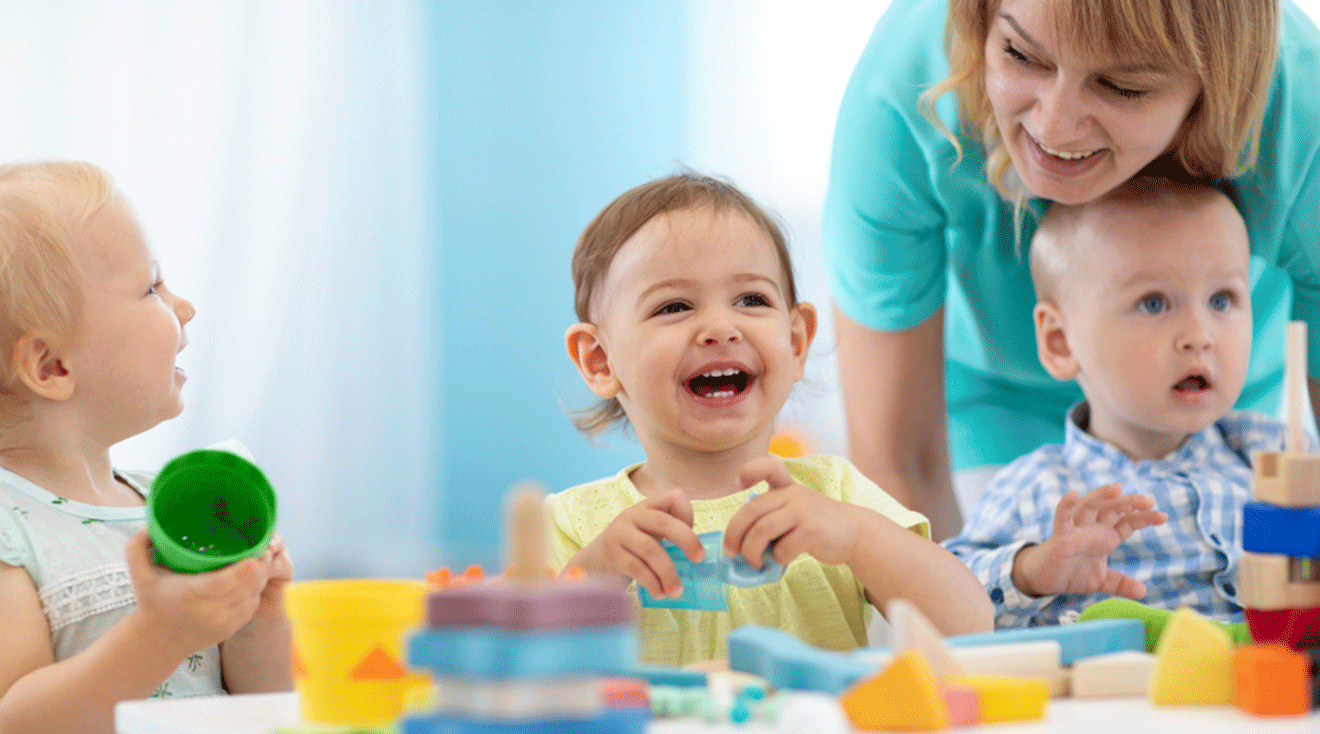
Credit: www.thebump.com
Newborn Sensory Exploration
Infants begin engaging with toys around three to four months old. At this stage, they enjoy reaching and grabbing. This interaction helps develop their motor skills and senses.
Newborns experience the world through their senses. Their early days are all about sensory exploration. This phase is crucial for their development. Infants use sight, sound, touch, taste, and smell to learn. Toys can enhance this sensory journey. They help babies understand their surroundings.Understanding Sight
Newborns can see high contrast colors. Black and white toys grab their attention. Bright colors also stimulate their vision. Toys with simple patterns are ideal.Exploring Sound
Babies respond to different sounds. Gentle rattles and musical toys are perfect. They help babies connect sound with movement. Soft lullabies can soothe and engage them.Touch And Texture
Newborns love feeling different textures. Soft toys and blankets are comforting. Rubber and fabric toys are intriguing. They learn by touching and grabbing.Taste And Smell
Infants explore with their mouths. Safe chew toys are beneficial. They discover taste and smell this way. Non-toxic materials are a must for safety.Movement And Coordination
Toys encourage movement and coordination. Simple mobiles above the crib are stimulating. They inspire reaching and grasping. This builds muscle control and coordination. Toys play a vital role in sensory exploration. They are essential tools for growth.Grasping And Holding Skills
Infants begin interacting with toys through basic grasping and holding skills. These skills are crucial for their development. They help infants explore the world around them. As their tiny fingers start to get stronger, they learn to hold various objects. This ability marks a significant milestone in their growth journey.
Understanding The Grasping Reflex
Newborns have a natural grasping reflex. Place your finger in their palm, and they will automatically hold it. This reflex is the foundation for later holding skills. It gradually transforms into voluntary control as they grow.
Development Of Voluntary Grasping
Around three to four months, infants start grasping intentionally. They reach out for toys and try to hold them. At this stage, their grip might still be clumsy. Yet, it is a critical step in developing fine motor skills.
Improving Hand-eye Coordination
Hand-eye coordination improves as infants practice grasping. They learn to reach for toys they see. This coordination is essential for playing and exploring. It also helps them understand spatial relationships.
The Role Of Different Textures And Shapes
Toys with various textures and shapes can enhance grasping skills. Soft, textured toys are easier for small hands to hold. Different shapes encourage infants to adjust their grip accordingly. This variety supports their sensory and motor development.
Encouraging Grasping Through Play
Parents can support grasping development through play. Offer toys that are easy to hold and safe to chew. Engage infants with colorful and interesting objects. This playful interaction nurtures their curiosity and skill growth.
Tummy Time Activities
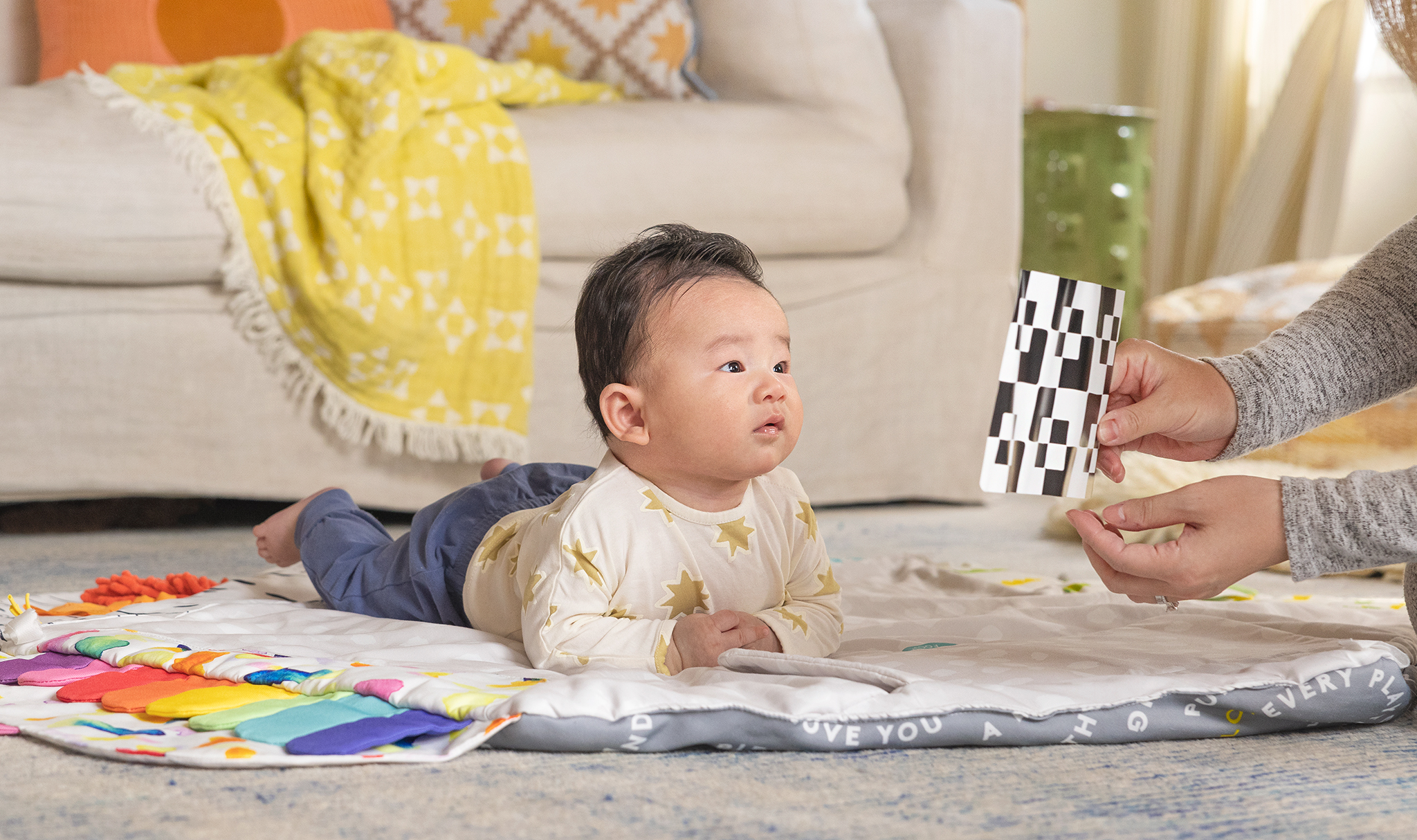
Infants often start playing with toys during tummy time around three to four months old. Introducing colorful, soft toys encourages them to reach, enhancing their motor skills and visual development.
Tummy time is essential for infants to develop their muscles. It helps strengthen neck and shoulder muscles. This activity also enhances motor skills. Introducing toys during tummy time can make it more fun. Infants become curious and engage actively. Here are some exciting tummy time activities with toys.Colorful Mats And Blankets
Lay a colorful mat on the floor. Use bright blankets that catch your infant’s eye. Colors stimulate visual senses. They encourage babies to lift their heads. This strengthens neck and back muscles.Mirrors For Exploration
Place a baby-safe mirror in front. Infants are fascinated by their reflections. They enjoy watching themselves. Mirrors encourage movement. They help in developing visual tracking skills.Soft Toys Within Reach
Use soft toys for safety. Place them within arm’s reach. Babies will try to grab them. This improves hand-eye coordination. It encourages stretching and reaching.Interactive Play Mats
Interactive mats have built-in toys. They produce sounds when pressed. These entertain babies. Sounds encourage movement. They help develop auditory skills.Textured Toys For Sensory Experience
Introduce toys with different textures. Soft, bumpy, or rough toys engage touch senses. Babies explore by feeling them. This enhances sensory development. It keeps them interested and active.Reaching And Grabbing
Infants begin playing with toys around 4 to 6 months old. At this stage, they start reaching and grabbing objects. This helps them develop hand-eye coordination and curiosity.
Reaching and grabbing are significant milestones in an infant’s development journey. These actions mark the beginning of their interaction with the world around them. Watching your baby reach out for a toy is not just adorable—it’s a sign of growing curiosity and coordination.Understanding The Milestones
Infants typically start showing interest in reaching and grabbing between 3 to 6 months of age. At first, their movements might be more reflexive. Gradually, you’ll notice more intentional attempts to touch and hold objects.The Role Of Tummy Time
Tummy time plays a critical role in building the muscles necessary for reaching and grabbing. It helps strengthen their neck, shoulders, and trunk. Encourage short sessions throughout the day to boost your baby’s ability to reach for toys.Choosing The Right Toys
Select toys that are easy to grasp and safe to chew. Soft rattles, colorful rings, and textured balls can captivate a baby’s attention. These toys not only motivate them to reach out but also provide sensory stimulation.Creating A Safe Environment
Ensure that the play area is safe and free from small objects that could pose a choking hazard. Keep toys within easy reach to encourage your baby’s attempts. A soft mat can cushion any accidental falls during play.Encouraging Interaction
Engage with your baby by holding toys just out of their reach. This encourages them to stretch and grab. Celebrate their efforts with smiles and cheers, reinforcing their achievements.Observing Progress
Take note of how your baby’s reaching and grabbing skills evolve over time. Notice their increasing precision and strength. These observations can offer insights into their developmental pace and highlight areas where they might need extra support. Remember, every child is unique and develops at their own pace. What new reaching and grabbing milestone has your baby achieved recently? Share your experiences and join the conversation!
Credit: eeveve.com
Cause And Effect Play
Infants begin engaging with toys around three to four months old. During this phase, they explore cause and effect. Grasping and shaking toys teaches them about reactions, enhancing their cognitive development.
Cause and effect play is an exciting stage for infants. It involves understanding actions and their outcomes. This type of play is crucial for cognitive development. Babies learn that their actions can lead to results. For example, pressing a button might make a toy light up. This play style helps with problem-solving and reasoning skills.Understanding Cause And Effect Play
Infants start cause and effect play around six months old. They become curious about their environment. Simple toys like rattles are perfect. Shaking a rattle makes a sound, which fascinates babies. They realize their actions can create noise. This discovery is joyful and educational.Benefits Of Cause And Effect Play
This play type enhances motor skills. Babies learn to grasp and shake objects. It also improves hand-eye coordination. As they explore, they develop critical thinking. They begin to predict what will happen next. This builds confidence and curiosity.Choosing Toys For Cause And Effect Play
Select toys that encourage interaction. Toys with buttons, levers, or switches are ideal. Consider toys that light up or make sounds. These features capture attention and promote learning. Ensure toys are safe and age-appropriate. Check for small parts or sharp edges. Safety is always a priority.Interactive Play And Social Development
Infants begin playing with toys around 4-6 months of age. This play enhances their social and cognitive development. Simple toys like rattles and soft dolls help them explore and interact.
Interactive play is crucial for infants’ social development. This type of play involves engaging with toys and people, fostering communication skills. Infants learn to interact through play, laying the foundation for future social relationships.Building Bonds Through Play
Interactive play helps infants connect with caregivers. Playing with toys can involve activities like peek-a-boo or stacking blocks. These actions create bonds and help infants understand social cues.Developing Communication Skills
Through play, infants start to mimic sounds and gestures. Parents can talk to their baby during playtime, encouraging responses. This interaction nurtures the infant’s ability to communicate.Understanding Emotions
Play allows infants to explore different emotions. Toys can evoke feelings of joy or curiosity. Parents can help infants understand these emotions by reacting to their expressions.Learning Through Observation
Infants watch others during play to learn new actions. They observe how toys are used and try to mimic the behavior. This observational learning is a key part of social development.Encouraging Cooperation
Playing with others teaches infants about sharing. Cooperative play can involve passing toys back and forth. This practice helps infants understand the concept of taking turns. Interactive play is essential for infants’ social growth. It builds connections, communication, and understanding, shaping their social abilities.Cognitive Growth Through Play
Infants begin playing with toys around three to six months. This marks the start of their cognitive exploration. Through play, babies develop sensory skills and understand their environment better.
Cognitive Growth Through Play From the moment infants begin interacting with toys, they embark on an exciting journey of cognitive development. Toys aren’t just sources of entertainment; they serve as tools that stimulate curiosity, enhance problem-solving skills, and encourage exploration. Whether it’s a colorful rattle or a soft plush toy, each playtime session contributes significantly to your baby’s mental growth.Understanding Cause And Effect
Playing with toys like blocks or simple musical instruments introduces your infant to the concept of cause and effect. When they push a block and it topples, or press a button and music plays, they learn that actions can lead to specific outcomes. This understanding forms the foundation for more complex cognitive processes later on.Enhancing Motor Skills
Manipulating toys helps infants refine their motor skills. Activities like stacking rings or squeezing soft toys improve hand-eye coordination. As these skills develop, your baby gains confidence in their ability to interact with the world around them.Encouraging Problem Solving
Puzzles and shape sorters are excellent for promoting problem-solving skills. As infants attempt to fit shapes into matching slots, they’re challenged to think critically. These toys encourage persistence and help your child learn how to tackle challenges, fostering a sense of achievement.Stimulating Imagination
Simple toys such as dolls and toy animals can spark your child’s imagination. Role-playing games, where a teddy bear becomes a tea party guest, nurture creativity. Through imaginative play, infants explore different scenarios, which aids in understanding various social dynamics.Developing Social Skills
When infants play with toys alongside others, they begin developing social skills. Sharing toys and engaging in cooperative play teaches them about empathy and communication. These interactions lay the groundwork for forming meaningful relationships later in life. Have you noticed how your baby reacts to different toys? Observing their choices can offer insights into their evolving personality and preferences. Each toy interaction is a stepping stone in their cognitive growth journey.Safety Tips For Infant Toys
Infants start interacting with toys as early as 3 months old. Ensure toys are safe, with no small parts or sharp edges. Choose toys that are age-appropriate to promote healthy play and development.
When infants start exploring toys, safety becomes a top priority. Parents must ensure toys are safe for their little ones. Toys designed for infants should be free from hazards. Here’s how to make sure toys are safe.Check For Small Parts
Infants explore by putting things in their mouths. Avoid toys with small parts. Ensure toys are larger than their mouths. This prevents choking hazards.Look For Non-toxic Materials
Infants often chew on toys. Choose toys made from non-toxic materials. Check labels for safety certifications.Avoid Sharp Edges And Points
Toys should have smooth surfaces. Avoid toys with sharp edges or points. This reduces the risk of injury.Ensure Durability
Toys should withstand rough handling. Choose durable toys that won’t break easily. Broken toys can become hazardous.Regularly Inspect Toys
Frequently check toys for wear and tear. Remove damaged toys immediately. This ensures continued safety.Use Age-appropriate Toys
Select toys suitable for your infant’s age. Age recommendations are on toy packaging. They guide safe choices for your child.
Credit: monkibox.com
Selecting Age-appropriate Toys
Choosing the right toys for infants is crucial for their development. Toys should match their age and developmental stage. This ensures safety and stimulates learning. As infants grow, their abilities and interests change. Selecting age-appropriate toys helps nurture their curiosity and skills.
Understanding Infant Development Stages
Infants progress through different stages in their first year. Each stage brings new skills and interests. At birth, infants are drawn to contrasting colors and sounds. Toys with bold colors and gentle sounds captivate them. As they reach three months, infants start exploring textures. Soft rattles and cloth toys are ideal.
Safety First: Choosing Safe Toys
Toy safety is paramount. Always check for small parts that might pose choking hazards. Ensure toys are made from non-toxic materials. Look for sturdy construction to withstand rough play. Avoid toys with sharp edges that could harm the infant. Safety standards should be met, especially for newborn toys.
Interactive Toys For Engagement
Interactive toys hold infants’ attention longer. Toys that produce sounds or light up are engaging. Activity gyms encourage movement and exploration. Soft books with crinkly pages intrigue curious hands. These toys can keep infants entertained for hours. They also aid in developing motor skills.
Educational Toys For Early Learning
Educational toys foster learning from an early age. Blocks and stacking toys teach hand-eye coordination. Shape sorters introduce basic concepts of geometry. Musical toys enhance auditory skills and rhythm recognition. These toys lay the foundation for future learning. Infants learn while playing, making education fun.
Frequently Asked Questions
When Do Infants Play With Toys?
Infants typically start interacting with toys around three to four months. At this stage, they begin grasping and exploring objects. Toys that stimulate sensory experiences, like soft textures and bright colors, are ideal. As they grow, infants develop motor skills, leading to more complex play.
Regular play enhances cognitive and physical development.
What Toys Are Best For Infants?
Soft, sensory toys are excellent for infants. Items like rattles, teething rings, and plush toys offer safe exploration. Toys with bright colors and different textures stimulate their senses. As they grow, introduce stacking toys or musical instruments. Always ensure toys are age-appropriate and free from small parts to prevent choking.
How Does Toy Play Benefit Infants?
Playing with toys boosts cognitive and motor skills. It encourages sensory exploration and helps infants understand cause and effect. Toys aid in developing hand-eye coordination. Interactive play fosters bonding with caregivers. Regular play contributes to emotional development and helps infants learn about their environment safely.
Can Infants Recognize Toys?
By three months, infants begin recognizing familiar toys. They show preference by smiling or reaching for them. Repetition and interaction help in recognition. Familiar toys provide comfort and stimulate memory. As recognition develops, infants engage more in play, enhancing their learning experiences and emotional connections.
Conclusion
Infants play with toys to explore their world. It starts around three months. Simple toys like rattles catch their interest. By six months, babies enjoy more interactive toys. They like stacking cups and soft blocks. Playtime helps develop their senses and skills.
Parents should choose safe and age-appropriate toys. Watching your baby play is rewarding. It shows their growth and curiosity. Play is essential for learning and bonding. Spend time playing with your baby. This strengthens your connection and supports development. Toys are more than fun; they are tools for growth.
Embrace this playful journey with your child.