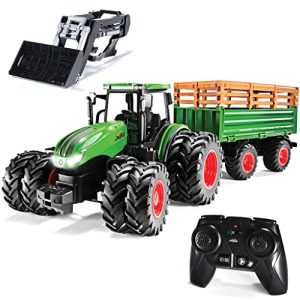
Are your kids’ toys scattered all over the yard, turning your outdoor space into a cluttered mess? You want to keep their favorite playthings safe and ready for the next adventure, but storing toys outside can be tricky.
You worry about weather damage, dirt, and pests ruining those special items. What if there was a simple way to protect your toys, keep your yard tidy, and make clean-up a breeze? You’ll discover practical tips and easy solutions to store toys outside effectively.
Keep reading, and you’ll transform your outdoor space into a neat, organized play zone everyone will love.
Choosing The Right Storage
Choosing the right storage for outdoor toys is essential to keep them safe and clean. Proper storage protects toys from weather damage and keeps your yard tidy. It also helps extend the life of the toys.
Weather-resistant Materials
Outdoor storage must resist rain, sun, and wind. Materials like plastic, metal, and treated wood work well. Plastic bins with tight lids stop water from getting inside. Metal containers should have rust protection. Treated wood can handle moisture without rotting. Avoid materials that absorb water or fade quickly.
Size And Capacity
Choose storage that fits the number and size of toys. Too small means toys will be crowded and damaged. Too large takes up unnecessary space. Measure the space where you want to place the storage first. Think about future toy additions. Stackable or modular storage helps save space and stay organized.
Safety Considerations
Storage should have no sharp edges or small parts that can hurt children. Make sure lids are easy to open but secure enough to prevent accidents. Ventilation is important to prevent mold and odors inside. Avoid heavy lids that could fall on little fingers. Check for stability to stop tipping over in strong winds.
Types Of Outdoor Storage Solutions
Storing toys outside needs smart solutions to keep them safe and tidy. Outdoor storage options vary by size, style, and durability. Choosing the right one depends on your space and the type of toys. Proper storage protects toys from weather and dirt. It also helps keep your yard organized and fun.
Storage Boxes And Bins
Storage boxes and bins are simple and affordable. They come in plastic or waterproof materials. These containers keep toys dry and easy to access. Some have wheels for easy moving. Stackable designs save space in small areas. Choose boxes with secure lids to protect toys from rain and bugs.
Sheds And Cabinets
Sheds and cabinets offer more space and better protection. They are great for larger toy collections. Made from wood, metal, or plastic, they resist weather well. Lockable doors add security for valuable items. Shelves inside help organize toys by type or size. Place sheds on flat ground for stability and easy access.
Toy Hammocks And Nets
Toy hammocks and nets work well for lightweight toys. Hang them under porches or trees to save floor space. They keep toys off the ground and allow air circulation. This reduces moisture build-up and mold growth. Nets are easy to install and remove. Best for balls, stuffed animals, and pool toys.
Protecting Toys From Weather
Protecting toys from weather is key for outdoor storage. Toys left outside face rain, sun, wind, and humidity. These elements can damage plastic, fabric, and metal parts. Proper protection keeps toys safe and lasts longer. Simple steps can shield toys from moisture, fading, and mold.
Waterproof Covers
Waterproof covers block rain and snow from soaking toys. Use heavy-duty tarps or fitted covers made for outdoor use. Look for covers with sealed seams and water-resistant materials. Secure covers tightly to stop water from seeping inside. Covers also protect toys from dirt and dust. Check covers often for tears or holes and replace if needed.
Uv Protection Tips
Sunlight can cause toys to fade and crack. Choose covers with UV protection to block harmful rays. Store toys in shaded spots under trees or awnings. Use UV spray on plastic toys to add a protective layer. Rotate toys to avoid constant sun exposure. Keeping toys cool helps prevent warping and brittleness.
Ventilation To Prevent Mold
Good airflow stops mold and mildew growth on toys. Avoid sealing toys tightly in plastic bags or containers. Use storage bins with ventilation holes or mesh sides. Leave lids slightly open or use breathable covers. Store toys on raised surfaces to improve air circulation. Regularly check toys for dampness and dry them if needed.

Credit: www.pinterest.com
Organizing Toys Efficiently
Organizing toys efficiently outside can turn a chaotic yard into a fun and inviting space for kids. Clear organization not only saves time but also protects toys from damage and weather. By setting up a smart system, you make playtime easier and cleanup faster.
Sorting By Toy Type
Grouping toys by type helps you keep things neat and find items quickly. Separate outdoor toys like balls, water guns, and sand tools into distinct piles. This way, you avoid mixing items that have different storage needs or sizes.
Think about how often each type is used. Place frequently played-with toys in easy-to-reach spots. Less-used items can go into deeper storage bins.
Labeling Containers
Labels are a simple trick to keep everyone on the same page. Use waterproof labels or laminated tags to withstand the weather. Clear, readable labels make it easier for kids to put toys back in the right place.
Try color-coding containers too. For example, blue labels for water toys and green for gardening tools. This visual system speeds up cleanup without much effort.
Creating Accessible Zones
Designate specific zones for different activities. One corner could be for active play items, another for creative toys like chalk or bubbles. This helps kids know exactly where to go for their favorite games.
Keep heavy or large toys at ground level to prevent accidents. Smaller, lighter items can be stored on shelves or in hanging baskets. Does your current setup allow kids to grab toys easily and return them without hassle?
Maintenance And Cleaning Tips
Keeping your outdoor toy storage clean and well-maintained saves you time and frustration. It also protects your toys from damage and extends their life. Simple habits can make a big difference in how your storage unit performs and how fresh your toys stay.
Regular Inspection
Check your storage unit weekly or at least once a month. Look for signs of moisture, mold, or pest activity. Small cracks or leaks can let water in, causing rust or mildew.
Ask yourself: Are there any sharp edges or broken parts inside the unit that could hurt the toys? Catching these issues early prevents bigger problems later.
Cleaning Storage Units
Empty the storage regularly and wipe down surfaces with a mild detergent and water. Avoid harsh chemicals that might damage the plastic or metal. Rinse thoroughly and allow everything to dry completely before putting toys back.
For wooden sheds, a quick sweep and ventilation reduce musty smells. Plastic bins can be sprayed with a diluted vinegar solution to keep them smelling fresh.
Toy Care Before Storage
Always clean toys before storing them outside. Dirt and moisture left on toys encourage mold growth. Use a damp cloth or hose off larger items, then dry them fully.
Consider applying a light coat of protective spray on metal toys to prevent rust. For fabric toys, make sure they are completely dry to avoid mildew.
Safety Tips For Outdoor Toy Storage
Keeping toys safe outside involves more than just putting them away. You need to think about security, harmful substances, and how easily your child can reach their playthings. These safety tips will help you create a storage setup that protects both your toys and your little ones.
Securing Storage Units
Make sure outdoor storage boxes or sheds have secure lids or doors that lock or latch tightly. This prevents toys from blowing away in strong winds and stops animals from making a mess inside. If you have younger kids, choose storage units that can be locked or are heavy enough to avoid tipping over.
Think about where you place the storage too. Avoid spots where water pools or where it’s hard to see, which can invite pests or create hidden dangers. Adding weather-resistant covers can extend the life of your toys and keep the area tidy.
Avoiding Hazardous Materials
Check the materials of your storage containers and toys for safety. Avoid units made with toxic paints or chemicals that can harm children or leach into the soil. Plastic bins labeled BPA-free and metal sheds with non-toxic coatings are good choices.
Also, keep cleaning supplies, fertilizers, or garden tools separate from toy storage. Mixing toys with these items can accidentally expose kids to harmful substances. Do you know exactly what is stored near your child’s play area?
Child-friendly Storage Access
Design storage that your child can use easily without risking injury. Keep lids lightweight or add soft-close hinges to prevent fingers from getting pinched. Low shelves or bins at your child’s height encourage independence and make cleanup fun.
Make sure the area around the storage is free from sharp edges or tripping hazards. Bright colors or labels can help kids recognize where their toys belong, adding a playful touch to safety. Have you noticed how small changes can make a big difference in your child’s outdoor playtime?
Budget-friendly Storage Ideas
Storing toys outside does not have to be costly. Plenty of budget-friendly ideas exist to keep toys safe and organized. These ideas use simple materials and smart designs. They save money and extend the life of toys.
Diy Storage Projects
DIY projects offer creative and cheap storage solutions. Use wooden crates to build shelves or toy boxes. Paint them with waterproof paint to protect against rain. Pallets can become a sturdy outdoor toy rack. Attach hooks for hanging items like jump ropes or helmets.
Make a bench with storage inside for dual use. Use rope handles on buckets for easy carrying. Seal all wood surfaces with outdoor varnish. This keeps toys dry and prevents damage.
Repurposing Household Items
Old household items can become useful toy storage. Turn unused laundry baskets into toy bins. Use large plastic containers with lids for water-safe storage. An old shoe organizer works well for small toys and art supplies. Hang it on a fence or wall outside.
Recycle metal buckets or tubs as storage for balls and outdoor games. Cover with a tarp if needed. Use sturdy cardboard boxes temporarily but avoid long-term exposure to moisture.
Affordable Store-bought Options
Several cheap store-bought items help organize outdoor toys. Plastic storage bins with tight lids keep toys dry. Look for stackable options to save space. Outdoor storage benches combine seating and storage. Choose weather-resistant materials like resin or metal.
Mesh bags hold sports balls and allow airflow. Hanging baskets or wall-mounted shelves work well in small outdoor spaces. These options offer convenience without high costs.

Credit: www.youtube.com
Credit: www.tiktok.com
Frequently Asked Questions
How Do I Protect Toys From Weather Outside?
Use waterproof storage bins or sealed containers to protect toys. Keep toys under covered areas to avoid rain and sun damage. Regularly check and dry toys to prevent mold and rust.
What Materials Are Best For Outdoor Toy Storage?
Durable plastic, metal, or resin storage boxes work best. These materials resist moisture, UV rays, and pests. Choose lockable containers for added security and longevity.
How Can I Organize Outdoor Toys Efficiently?
Sort toys by size and type for easy access. Use stackable bins and labeled containers. Keep frequently used toys within reach to save time and space.
Are There Safe Storage Tips For Wooden Toys Outside?
Keep wooden toys in shaded, dry areas to prevent warping. Apply protective sealant or varnish for extra durability. Avoid direct contact with soil or moisture.
Conclusion
Storing toys outside keeps your space neat and safe. Choose sturdy containers to protect toys from weather. Place them in shaded, dry spots for longer use. Regularly check for dirt or damage to maintain quality. Simple steps help toys last through all seasons.
Enjoy more playtime without clutter or mess. Easy storage makes outdoor fun stress-free and safe. Keep toys ready for the next adventure anytime.