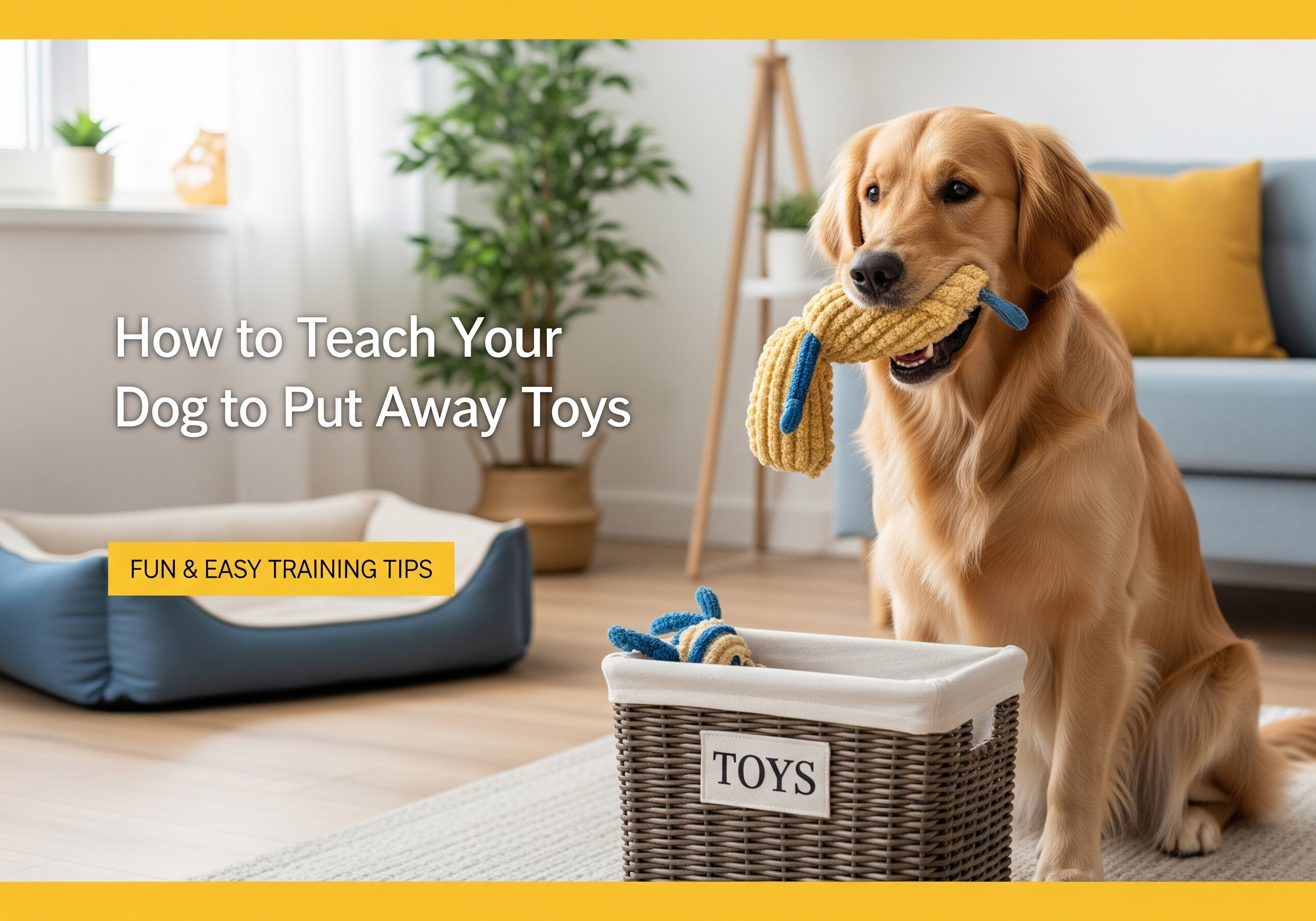
How to Teach Dog to Put Away Toys: Easy Steps
Imagine this: your living room is free from scattered toys, your dog knows exactly where they belong, and you have one less chore to think about. Sounds like a dream, right?
Well, it’s not only possible but also fun and rewarding for both you and your furry friend. Teaching your dog to put away toys is more than just a neat trick; it’s a great way to bond with your pet and boost their mental agility.
But how do you get started? In this guide, we’ll walk you through simple steps that will turn your playful pup into a tidy-up pro. You’ll discover practical tips and techniques that tap into the natural instincts of your dog, making the learning process enjoyable for both of you. Ready to transform your home and your dog’s routine? Let’s dive into the easy, step-by-step process that will have your dog mastering the art of tidiness in no time.
Credit: www.tiktok.com
Benefits Of Teaching Toy Cleanup
Teaching dogs to put away toys helps organize their space and boosts mental engagement. It fosters discipline, reduces clutter, and strengthens the bond between pet and owner.
Teaching your dog to put away toys can be fun and rewarding. It’s a great way to keep your home tidy. Plus, it strengthens your bond with your dog. This training offers many benefits for both you and your furry friend.
Improves Obedience And Discipline
Training your dog to clean up toys enhances obedience. It encourages discipline through structured activities. Your dog learns to follow commands consistently. This skill can transfer to other areas of training.
Boosts Mental Stimulation
Toy cleanup challenges your dog’s mind. It requires thinking and problem-solving. This mental exercise keeps your dog sharp and engaged. A mentally stimulated dog is a happier dog.
Encourages Physical Activity
Cleaning up toys gets your dog moving. It’s a fun way to encourage physical activity. Movement helps maintain a healthy weight. It also reduces the risk of obesity-related issues.
Enhances Bonding Time
Training sessions are a great time to bond. You and your dog work together as a team. This shared activity strengthens your relationship. It builds trust and understanding between you both.
Reduces Household Clutter
A tidy home is a happy home. Toy cleanup helps keep your space organized. Less clutter means a safer environment for everyone. It also makes daily cleaning much easier.
Teaches Responsibility
Dogs learn responsibility through cleanup tasks. They understand their role in keeping the house tidy. This sense of duty can improve their behavior overall. Responsible dogs are more well-behaved companions.
Choosing The Right Toys
Choose toys that are easy for your dog to carry and place in a basket. Use toys that are durable and safe. Make sure they are attractive and the right size for your dog.
Choosing the right toys for your dog is crucial for effective training. The toys should be engaging and suitable for your dog’s needs. This choice impacts the success of teaching your dog to put away toys. Let’s dive into the key factors to consider.
Size And Durability
The size of the toy should match your dog’s size. Small dogs need smaller toys that are easy to handle. Large dogs require bigger toys to prevent choking hazards. Durability is equally important. Strong materials withstand your dog’s chewing. This ensures the toy lasts longer and stays safe for your dog.
Safety Considerations
Safety is vital when selecting toys. Avoid toys with small parts that can be swallowed. Ensure the toy doesn’t have sharp edges. Non-toxic materials are a must. Choose toys made from safe, pet-friendly materials. This protects your dog from harmful chemicals. Regularly inspect toys for wear and tear. Replace damaged toys to maintain safety.
Preparing A Designated Toy Area
Preparing a Designated Toy Area Create a specific spot for your dog’s toys. Use simple commands and treats to encourage your dog. Practice daily to build a routine.
Creating a designated toy area for your dog is a fundamental step in teaching them to put away their toys. A well-planned space not only organizes the toys but also helps your dog understand where their belongings should go after playtime. This setup can transform tidying up into a fun and rewarding activity for both you and your furry friend.
Choosing The Right Spot
Select a location that’s easily accessible for your dog. Ideally, this should be an area where your dog frequently plays. Avoid cluttered corners or spaces that are hard to reach. A cozy corner in the living room or a special spot in their favorite room can work wonders.
Organizing The Area
Use a sturdy basket or box to store the toys. Make sure it’s big enough to fit all the toys but not so large that it’s overwhelming. It’s essential that your dog can easily drop toys into it. Consider using colorful containers to make it visually appealing for your dog.
Ensuring Visibility
Keep the toy area visible. Avoid hiding it behind furniture or in a closet. Your dog should be able to see it and recognize it as their toy zone. This visibility helps reinforce the association between playtime and cleanup.
Personalizing The Space
Add a touch of personalization. You might hang a small sign with your dog’s name or place a picture of them near the toy area. This small gesture can make the space feel special and encourage your dog to use it.
Maintaining The Area
Regularly check and maintain the toy area. Remove any broken or worn-out toys to prevent clutter. Keeping the area tidy ensures that your dog continues to see it as a pleasant and inviting space. Would you want to create a toy area that even a curious cat would envy?
Credit: www.tiktok.com
Basic Commands And Cues
Teaching a dog to put away toys involves basic commands and positive reinforcement. Begin with simple instructions like “pick up” and “drop. ” Reward your dog when they successfully follow the command. Consistent practice helps reinforce the behavior.
Teaching your dog to put away toys is not just a neat trick—it fosters discipline and strengthens your bond. The foundation of this training lies in mastering basic commands and cues. These commands are the building blocks that guide your dog through more complex tasks.
Sit And Stay
Start with the basics: Sit and Stay. These commands help your dog learn patience and focus. – Sit: Encourage your dog to sit by holding a treat above their head, moving it backward until they sit naturally. Reward them immediately. – Stay: Once sitting, say “Stay” and step back. If they remain still, reward them. Increase the distance gradually. Consistency is key. Practice these commands in different settings to reinforce their understanding. Have you ever noticed how a calm dog is more attentive? This is the magic of Sit and Stay.
Fetch And Drop
Fetch and Drop are essential for teaching your dog to put away toys. – Fetch: Use a favorite toy to get your dog excited. Throw it and encourage them to bring it back. Praise them when they do. – Drop: Once they return, say “Drop” while holding a treat near their nose. When they release the toy, reward them. Repetition makes these commands stick. Does your dog love playing fetch but hates giving the toy back? Focus on making the Drop command rewarding and fun. Teaching these commands might seem challenging at first. However, with patience and consistency, your dog will soon be cleaning up their toys like a pro. Imagine the satisfaction of watching your furry friend follow your cues with ease!
Introducing The Cleanup Command
Teaching a dog to put away toys can be a fun activity. Begin by associating a specific command with the action. Reward your dog with treats and praise to reinforce positive behavior.
Introducing the Cleanup Command Training your dog to put away toys can be fun. It creates a tidy home and strengthens your bond. Teaching the “cleanup” command involves patience and consistency. Start with simple steps and soon your dog will understand. The process is engaging and rewarding for both of you.
Using A Basket Or Box
Choose a basket or box for toy storage. It should be easy for your dog to access. Place it in a spot where you usually play. Begin by showing your dog how to drop toys into the basket. Use a favorite toy to demonstrate. Encourage your dog to mimic your action. Repeat this several times.
Positive Reinforcement Techniques
Reward your dog with praise and treats. Use a happy tone when your dog drops a toy in the basket. Positive reinforcement makes learning enjoyable. Treats can motivate and encourage your dog. Start by giving treats every time your dog succeeds. Gradually reduce treats as your dog learns. Use verbal praise to keep your dog engaged. This helps maintain enthusiasm and focus during training.
Credit: www.tiktok.com
Step-by-step Training Process
Training your dog to put away toys involves simple, consistent steps. Begin by showing the toy and the storage spot. Encourage your dog with a treat when they place the toy inside. Repeat this process regularly until your dog learns to tidy up independently.
Teaching your dog to put away toys can be a fun and rewarding experience for both of you. With a bit of patience and creativity, you can turn this task into an enjoyable routine. Let’s break down the training process into manageable steps to ensure success.
Initial Training Sessions
Begin with short and positive sessions. Start by introducing your dog to the concept of “clean up.” Use a specific command like “put away” or “tidy up.” Show your dog how to place a toy in the designated storage area. Use treats and praise to reinforce the action. Repeat this process until your dog understands the basic concept. It’s essential to keep these sessions brief to maintain your dog’s interest. A few minutes a day is enough to start building this habit.
Increasing Complexity
Once your dog is comfortable with the basic action, add more toys to the mix. Gradually increase the number of toys your dog needs to put away. This will challenge them and keep the training engaging. Introduce different types of toys to test your dog’s ability to generalize the command. Dogs learn by association, so having varied toys will help them understand that the command applies to all their toys. If your dog is struggling, break the task down into smaller steps. Help them by pointing to each toy, providing guidance as they learn.
Consistent Practice
Consistency is key. Make the “tidy up” routine a regular part of your day. Set aside a few minutes each day to practice, even after your dog has mastered the skill. Reinforce positive behavior with treats and affection. Your dog will look forward to these sessions as a bonding time with you. Ask yourself: how can you make this activity fun for both of you? Perhaps turn it into a game where you race to see who can put toys away faster! By keeping the training enjoyable and consistent, your dog will soon become a pro at putting away toys, making clean-up time a breeze.
Troubleshooting Common Challenges
Teaching your dog to put away toys can be fun and rewarding. Start with a simple command and reward system. Consistency is key to overcoming common challenges.
Teaching your dog to put away toys can be fun and rewarding. Yet, it might not always go smoothly. Some dogs face challenges that need special attention. Understanding these common issues can help you succeed.
Lack Of Interest
Some dogs show little interest in the toy-cleaning task. It’s important to make the activity exciting. Use treats or praise to motivate your dog. Try different toys to catch your dog’s attention. Be patient; each dog learns at their own pace.
Distractions
Dogs can easily get distracted during training. Choose a quiet environment for practice sessions. Remove any distracting items from the area. Keep training sessions short to maintain focus. Gradually increase the time as your dog improves.
Maintaining The Habit
Teaching a dog to put away toys requires patience and consistency. Begin with simple commands and positive reinforcement. Gradually, your furry friend will learn to tidy up after playtime.
Maintaining the habit of teaching your dog to put away toys is crucial. It ensures your furry friend doesn’t forget the skill. Consistency and patience are key. Reinforce the behavior with regular practice and rewards. This will create a lasting habit.
Regular Practice
Practice regularly to keep the habit alive. Short sessions work best. Aim for a few minutes each day. This keeps the activity fun and stress-free. Consistent practice helps reinforce the behavior in your dog’s memory.
Continuous Rewards
Reward your dog each time they put away a toy. Use treats or praise. Positive reinforcement motivates them to continue. Vary rewards to keep your dog interested. This ensures they remain eager to participate.
Engaging Games And Activities
Training dogs to tidy their toys is fun and interactive. Use treats to encourage the behavior. Praise them each time they drop a toy in its place.
Teaching your dog to put away toys can be an enjoyable and rewarding experience for both you and your furry friend. Incorporating engaging games and activities not only makes the learning process fun but also strengthens the bond between you and your dog. By turning training into playtime, you can keep your dog entertained and mentally stimulated.
Interactive Play
Interactive play is a fantastic way to teach your dog new skills while having fun. Start by using a favorite toy and encourage your dog to fetch it. Once they have the toy, guide them towards the toy box or designated storage area. Use commands like “put it away” as you point to the box. Reward them with treats and praise when they drop the toy in the correct spot. Repetition is key, so keep the sessions short and frequent to maintain their interest. Have you ever noticed how excited dogs get when they see a new toy? Use that excitement to introduce the concept of tidying up. Make sure the toys are easy for your dog to pick up and carry. Soft toys or rubber items with handles work well.
Advanced Toy Challenges
Once your dog masters the basics, you can introduce advanced toy challenges to keep them engaged. Consider setting up a small obstacle course leading to the toy box. This not only adds a fun twist but also encourages your dog to think and problem-solve. Create a reward system where each time your dog successfully completes the challenge, they earn a special treat. You might even use a clicker to mark the exact moment they do the task correctly. Another idea is to hide toys around the house and instruct your dog to find and put them away. This game taps into their natural hunting instincts, making it both challenging and satisfying. How can you make tidying up toys more exciting for your dog? Try varying the types of toys and rewards to keep things fresh and interesting. Remember, the key is to turn a mundane task into a playful adventure for your dog.
Frequently Asked Questions
How To Start Teaching A Dog To Clean Up Toys?
Begin by using a simple command like “tidy up. ” Reward your dog with treats or praise when they pick up a toy. Use positive reinforcement consistently to help your dog associate the action with the command. Practice daily to build the habit.
What Toys Are Best For Training Cleanup?
Choose toys your dog loves and is familiar with. Start with a few favorites to keep them engaged. Soft toys or balls are usually easier for dogs to pick up. Rotate toys occasionally to maintain interest and enthusiasm in the training process.
How Long Does It Take To Train A Dog?
Training duration varies based on the dog’s breed, age, and temperament. Most dogs can learn the basics in a few weeks with daily practice. Consistency and patience are key to successful training. Adjust your approach if your dog needs more time.
Can Puppies Learn To Put Away Toys?
Yes, puppies can learn this trick with patience and consistency. Begin training when they’re around three to four months old. Use simple commands and rewards to encourage them. Keep training sessions short to match their attention span and gradually increase complexity.
Conclusion
Teaching your dog to put away toys is rewarding. It strengthens your bond with your furry friend. Patience and consistency are key. Start with simple commands and gradually add complexity. Use positive reinforcement like treats or praise. Repetition helps your dog learn faster.
Make training sessions fun and short. Keep your dog engaged and motivated. Practice regularly to reinforce the behavior. Celebrate small successes along the way. Soon, your dog will be tidying up like a pro. Enjoy the time spent together while teaching this useful trick.
Happy training!