Was Star Wars Written to Sustain Toys: The Toy Empire
Imagine a galaxy not so far away, where the thrill of epic battles and the charm of beloved characters meet the gleam of plastic spaceships and action figures. If you’re a Star Wars fan, you’ve likely felt the irresistible pull of collecting toys that bring your favorite scenes to life.
But have you ever wondered if the saga was crafted with toys in mind? You’re about to uncover the fascinating intersection of storytelling and marketing. Why does Star Wars captivate not just your imagination but also your wallet? Dive into this intriguing exploration where we reveal the secrets behind the franchise’s lasting impact on toy sales.
Discover whether the Force was cleverly aligned with commerce, and how it might be influencing your own Star Wars experience more than you think.
The Birth Of Star Wars
Star Wars emerged as a cultural phenomenon, intertwining storytelling with the toy industry. Its creation sparked a wave of merchandise, blending cinematic magic with toy market strategies. This synergy sustained its legacy, captivating fans and collectors alike.
The birth of Star Wars marked a significant moment in cinematic history. George Lucas crafted a universe that captured the imagination of millions. This epic saga was more than just a film; it was a cultural phenomenon.The Vision Behind Star Wars
George Lucas had a unique vision. He wanted to create a world beyond reality. A place where space battles and Jedi knights could exist. His inspiration came from various sources. Old space operas and Japanese samurai films influenced him. This blend of ideas birthed the Star Wars universe.The Impact Of Special Effects
Star Wars revolutionized special effects. The film used groundbreaking techniques. Miniatures and models made space scenes believable. The use of practical effects added realism. Audiences were amazed by what they saw. This new level of realism set a high bar for future films.Star Wars And Its Cultural Influence
Star Wars became a cultural icon. The film’s release created a massive fan base. People connected with its characters and stories. The influence of Star Wars reached beyond cinema. It affected fashion, language, and even politics. The phrase “May the Force be with you” became universal.The Rise Of Star Wars Merchandise
Star Wars toys became highly popular. The film’s success led to a surge in merchandise. Action figures, ships, and costumes filled stores. Children and collectors wanted a piece of the galaxy. This demand showed the power of Star Wars beyond the screen.
Credit: www.reddit.com
George Lucas And Merchandising
George Lucas’s Star Wars became a merchandising phenomenon, sparking debates about its purpose. The film’s success fueled a massive toy industry, but Lucas’s storytelling was the true driving force behind its creation.
George Lucas, the mastermind behind Star Wars, revolutionized movie merchandising. His business acumen transformed how films generate revenue. Lucas saw potential beyond the big screen. He believed in the power of toys and merchandise. This vision reshaped the film industry.George Lucas: A Visionary Filmmaker
Lucas was not just a director. He was a visionary. He changed how movies and toys connect. His approach was groundbreaking at the time. He knew that toys could extend the movie’s universe. This added depth to the characters and story.The Birth Of Star Wars Toys
Star Wars toys were a sensation. They sold out quickly. Kids loved them. They wanted to be part of the Star Wars world. These toys became a cultural phenomenon. They were not just products. They were a way to live the adventure.The Impact On The Film Industry
Lucas’s strategy changed the movie business. It showed the value of merchandising. Other filmmakers followed his lead. They saw the profits toys could bring. This shifted the industry’s focus. Merchandise became a key revenue stream.Lucas’s Legacy In Merchandising
Lucas’s impact remains today. His vision lives on. Star Wars toys continue to sell well. They are more than just toys. They are a testament to Lucas’s genius. He merged storytelling with merchandising. This legacy endures in Hollywood.The Role Of Action Figures
Star Wars sparked a toy revolution with its action figures. The story was crafted to captivate fans and expand the universe through collectible toys. This synergy between film and merchandise built a lasting legacy.
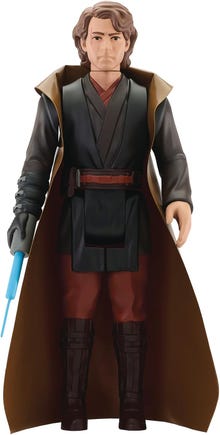
Action figures have played a pivotal role in the Star Wars saga, not just in the cinematic universe but in our living rooms, shaping childhood memories and influencing the toy industry. When Star Wars hit the big screen in 1977, it was a revelation, captivating audiences worldwide. But it wasn’t just the storyline or the special effects that kept the fans engaged; it was the tangible connection they could make with the characters through action figures. These miniature versions of beloved characters allowed fans to extend the adventure beyond the screen, sparking creativity and imagination.Kenner’s Revolutionary Deal
In a move that would forever change the toy industry, Kenner Products secured the rights to produce Star Wars action figures. This deal was revolutionary because it was struck at a time when movie-themed toys were not the norm. The agreement allowed Kenner to create a vast array of figures, making the characters accessible to fans of all ages. Kenner’s innovative approach included the introduction of the “Early Bird Certificate Package,” a clever solution to meet demand before the toys were fully developed. This strategy not only built anticipation but also solidified Star Wars toys as a must-have for every fan.Impact On Toy Industry
The success of Star Wars action figures set a new precedent in the toy industry. It demonstrated the immense potential of combining popular films with toy merchandise. This realization opened the floodgates for movie-themed toys, transforming how companies approached licensing deals. Consider how different your childhood might have been if iconic franchises hadn’t followed suit. The Star Wars model showed that toys could be more than just playthings; they could be collectibles that held value and nostalgia. With each release, the toy industry was learning and evolving, thanks in large part to the galaxy far, far away. As you reflect on the role these action figures played in your life, it’s clear they were more than just toys. They were gateways to imagination, creativity, and a shared universe that continues to expand. What action figure held a special place in your heart?Marketing Strategies
Star Wars is not just a cinematic masterpiece; it’s a marketing phenomenon. The franchise’s marketing strategies have played a pivotal role in its success. From the moment the first film hit theaters, Star Wars was not only about storytelling but also about creating a universe of merchandise that fans could own. Let’s dive into how these strategies were crafted to sustain an empire of toys.
Cross-promotion Techniques
Cross-promotion has been a cornerstone of Star Wars’ marketing prowess. The franchise seamlessly integrates its characters and stories across various platforms, creating a web of interconnected content. You might recall seeing Star Wars-themed cereal boxes or even exclusive content on streaming platforms featuring your favorite characters. These collaborations not only keep the franchise fresh but also drive toy sales as fans are constantly reminded of their beloved characters.
Think about the excitement of seeing a new Star Wars video game that features characters you can purchase as action figures. This synergy encourages fans to dive deeper into the universe, fostering a never-ending cycle of engagement and purchase. Have you found yourself buying merchandise just because it appeared alongside your favorite TV show?
Product Placement In Media
Product placement is another clever strategy employed by Star Wars. By embedding toys and merchandise within the narrative, the franchise ensures that these products aren’t just seen as collectibles but as integral parts of the story. Remember the iconic scenes with droids like R2-D2 and BB-8? Their presence in the films directly boosts their popularity in toy stores.
These characters become household names, making their toy counterparts irresistible to fans. It’s not just about selling a product; it’s about selling a piece of the story. Next time you watch a Star Wars movie, pay attention to how seamlessly toys are integrated into the action. Does it make you want to own a piece of that universe?
Expansion Into Other Products
The Star Wars universe isn’t just about epic space battles and the eternal struggle between the light and dark sides. It’s a vast galaxy that has expanded far beyond the silver screen into various other product lines. This expansion has not only sustained its cultural impact but has also fueled its commercial success. Let’s dive into how Star Wars has ventured beyond toys and tapped into other lucrative markets.
Video Games And Beyond
Star Wars video games have become a staple for fans, offering immersive experiences that allow players to become Jedi knights, bounty hunters, or even Sith lords. Titles like Star Wars: Knights of the Old Republicand Star Wars: Battlefronthave captivated players for decades, blending storytelling with engaging gameplay. Have you ever wondered how these games consistently remain at the top of charts? It’s their ability to adapt and innovate while staying true to the Star Wars lore.
The video game industry is just one facet of Star Wars’ expansion. From board games to virtual reality experiences, Star Wars continues to explore new frontiers. What other mediums could Star Wars conquer next, and how might they keep the force strong with fans both old and new?
Star Wars Collectibles
For the avid Star Wars fan, collectibles are more than just merchandise; they are cherished treasures. From action figures to limited edition statues, the market for Star Wars memorabilia is vast and varied. Imagine owning a replica of Luke Skywalker’s lightsaber or a model of the Millennium Falcon—these items aren’t just toys; they’re pieces of cinematic history.
The passion for collecting Star Wars items is not just about possession but also about nostalgia and connection. Each piece tells a story, often reminding collectors of childhood memories or bonding moments with fellow fans. What stories do your collectibles tell, and how do they add to your personal Star Wars journey?

Credit: borg.com
Fan Engagement And Community
Star Wars has captivated fans for decades, creating a vibrant community. This community thrives on shared experiences and connections, celebrating the saga’s impact. It supports the franchise beyond just the films, fueling an enduring passion. Fan engagement plays a significant role in sustaining interest and promoting merchandise, including toys. The excitement is palpable at conventions, in online forums, and through various fan activities.
Conventions And Gatherings
Conventions bring fans together to celebrate Star Wars. These events offer a chance to connect with fellow enthusiasts. Fans dress as their favorite characters, creating a lively atmosphere. Panels and discussions deepen appreciation for the saga. Merchandise stalls feature toys and collectibles. It’s a hub for sharing knowledge and passion. Conventions foster a strong sense of community. They unite fans in their love for Star Wars.
Online Fan Culture
Online forums and social media keep fans engaged year-round. They discuss theories, share fan art, and post reviews. Communities form around shared interests and favorite characters. These platforms provide a space to express creativity and connect globally. Fans organize virtual events and watch parties. Online interactions maintain excitement and deepen connections. This digital space is vital for sustaining interest in Star Wars toys and merchandise.
Economic Impact
The economic impact of Star Wars extends beyond the cinematic universe, transforming into a juggernaut in the toy industry. The franchise has not only captured the hearts of millions but also revolutionized how films can leverage merchandise for sustained economic benefits. This symbiotic relationship between film and toys has created a thriving ecosystem benefiting various stakeholders.
Revenue Generation
Star Wars toys have generated billions in revenue since their inception. The strategic release of action figures and collectibles following movie launches has driven both immediate sales and long-term brand loyalty. Consider how toys like the Millennium Falcon have become iconic, anchoring lucrative licensing deals.
Many fans eagerly await new releases, contributing to a steady stream of income for manufacturers. This anticipation and the resulting purchases have established Star Wars as a reliable source of economic gain. Could this model be replicated for other franchises?
Employment And Production
The production of Star Wars toys has created numerous jobs across various sectors. From designers to factory workers, the ripple effect of toy manufacturing is significant. Each new movie release heralds a surge in employment opportunities, as companies ramp up production to meet demand.
These jobs are not limited to toy production alone. Marketing, distribution, and retail all benefit, creating a diverse employment landscape. Have you considered how many industries are interconnected through this phenomenon?
Criticism And Controversies
The Star Wars franchise, beloved by millions, is not without its share of criticism and controversies. Many fans have questioned whether the series was written with the primary goal of sustaining a lucrative toy market. This debate touches on deeper issues of commercialization and its impact on storytelling.
Commercialization Concerns
When Star Wars was released, it quickly became a cultural phenomenon, and the toys were not far behind. You might remember the excitement of receiving a lightsaber toy or a Darth Vader action figure. But did these toys become a driving force behind the franchise’s direction? The concern is that commercial interests might overshadow creative storytelling.
Think about it: If decisions are made based on what sells best as merchandise, are we sacrificing quality narrative for profit? This commercialization could lead to prioritizing flashy characters and gadgets that translate well into toys, rather than focusing on plot depth or character development.
Impact On Storytelling
Some critics argue that the need to market toys influences the very essence of Star Wars storytelling. Consider how new characters are introduced with toy potential in mind, possibly affecting their roles and development in the storyline. This raises questions about authenticity and artistic integrity in the series.
Is the expansion of the Star Wars universe driven by a desire to explore new creative avenues, or by a need to generate merchandise revenue? It’s a question that fans and creators alike must grapple with. As you watch the latest installment, reflect on how storytelling choices might be swayed by commercial interests.
Ultimately, the balance between storytelling and commercialization is delicate. As a fan, your perspective on this issue can shape how you perceive the franchise’s future. Are toys dictating the narrative, or enhancing the experience? The answer may vary, but the conversation is crucial in understanding the evolving nature of the Star Wars saga.
Legacy And Future Of Star Wars Toys
Star Wars toys have captivated generations, intertwining with the franchise’s storytelling. The saga’s vast universe was designed to inspire endless toy creations. From iconic lightsabers to detailed action figures, these toys continue to spark imagination, bridging the legacy with future adventures.
The legacy of Star Wars toys is deeply intertwined with the saga’s cultural impact. Since the release of the first film in 1977, these toys have captured the imagination of fans young and old. They not only represent a piece of cinematic history but have also paved the way for a thriving collectibles market that continues to evolve today.Evolving Toy Market
The toy market has transformed dramatically since Star Wars toys first hit the shelves. In the past, action figures and playsets were the primary focus. Today, the market includes everything from high-end collectibles to interactive digital toys. Manufacturers now leverage technology to create immersive experiences, enhancing the appeal of Star Wars toys. Augmented reality and app integration are common features. This evolution keeps the franchise relevant to a tech-savvy audience. Consider how your own childhood toys compare to those available now. The shift shows how important it is for brands to adapt to technological advancements and consumer preferences.Sustaining The Franchise
Star Wars toys play a crucial role in sustaining the franchise’s popularity. They serve as a tangible connection to the films, allowing fans to bring their favorite characters into their homes. This connection fuels a lifelong passion for the universe. The continuous release of new films and series ensures a steady stream of fresh merchandise. This keeps fans engaged and attracts new audiences. It’s a strategic approach to maintaining the franchise’s enduring appeal. Have you ever considered how toys influence your perception of a franchise? They often serve as an entry point, sparking curiosity and deepening engagement with the storyline. The legacy and future of Star Wars toys highlight the power of merchandise in shaping pop culture. They remind us of the importance of adapting to change while staying true to the essence of a beloved saga.
Credit: www.instagram.com
Frequently Asked Questions
Why Was Star Wars Created In The First Place?
Star Wars was initially created by George Lucas as a film project. It aimed to revive the space adventure genre. The unexpected success of the film series led to an expansive universe. This included merchandise like toys, which became integral to its commercial success.
Did Star Wars Influence Toy Sales Significantly?
Yes, Star Wars greatly impacted toy sales worldwide. The film’s popularity led to unprecedented demand for related merchandise. Action figures and other toys became staples in children’s collections. This success demonstrated the powerful synergy between films and merchandise.
Was Star Wars Written With Toys In Mind?
While Star Wars wasn’t originally written for toys, merchandise potential became apparent. George Lucas retained merchandising rights. This strategic decision resulted in a lucrative toy industry. The film’s universe naturally lent itself to a wide range of toys and collectibles.
How Did Star Wars Change The Toy Industry?
Star Wars revolutionized the toy industry by popularizing movie tie-in merchandise. The success of action figures set new standards for film franchises. It established a business model that many other films would follow. This integration of storytelling and merchandising became industry standard.
Conclusion
Star Wars sparked a cultural phenomenon beyond the screen. The saga’s captivating tales and characters created a universe fans adore. Toys and merchandise became a natural extension of this universe. They offered fans tangible connections to their favorite galaxy far, far away.
The synergy between the films and toys fueled each other’s success. Many fans cherish both the stories and the collectibles. Star Wars continues to thrive, capturing hearts with its blend of adventure and imagination. Whether intended or not, the relationship between Star Wars and toys is undeniable and enduring.
A legacy beyond cinema.