Are Catnip Toys Safe for Kittens: Expert Insights
Imagine watching your playful kitten bouncing around with joy, chasing after a colorful toy. It’s a delightful sight that warms your heart.
But as a responsible pet owner, you might wonder: Are catnip toys safe for kittens? This question is crucial for ensuring your little feline friend’s well-being. You want to provide the best playtime experience without any worries. You’ll uncover the truth about catnip toys and their effects on kittens.
Get ready to explore the benefits, potential risks, and expert tips to keep your furry companion happy and safe. Don’t miss out on finding the perfect balance between fun and safety for your beloved kitten!

Credit: www.amazon.com
What Is Catnip?
Have you ever wondered why your kitten goes into a frenzy over a small toy filled with dried leaves? The secret lies in catnip, a plant that has fascinated cat owners for generations. Understanding what catnip is can help you decide whether catnip toys are safe for your playful kitty.
Origins And Composition
Catnip, known scientifically as Nepeta cataria, is part of the mint family. It’s native to Europe and Asia, but it can be found growing in various parts of North America today. The plant is easily recognizable by its heart-shaped leaves and lavender flowers.
The magic ingredient in catnip is nepetalactone, an oil found in the leaves, stems, and seeds. This compound is responsible for the euphoric effects it has on cats. Catnip can be used fresh or dried, and both forms can elicit reactions from your feline friend.
Effects On Cats
When cats encounter catnip, they may exhibit a range of behaviors. Some will roll around, meow, purr, or become hyperactive. Others might simply sit and enjoy the aroma, appearing more relaxed and content.
Interestingly, not all cats are affected by catnip. It’s estimated that only 50% to 70% of cats respond to the plant, and the sensitivity is hereditary. If your kitten doesn’t seem interested, it might not have inherited the trait to react to catnip.
Have you noticed your cat’s behavior when exposed to catnip? It’s fascinating to see how different cats react differently. While the effects are temporary, usually lasting about 10 to 15 minutes, it can provide great entertainment and stimulation.
But before you rush to buy a catnip toy for your kitten, consider how they react to it. Is their curiosity piqued, or do they seem indifferent? Knowing your kitten’s response can help you make informed choices about their playtime.
Kittens And Catnip
Catnip toys are a popular choice for kitten play. They provide entertainment and can stimulate young cats. Many pet owners wonder about their safety for kittens. This section explores the interaction between kittens and catnip.
Age Considerations
Kittens under three months often show little interest in catnip. Their sensory development is still in progress. Introducing catnip too early might not excite them. Older kittens, however, can start to react positively. Wait until your kitten is at least three months old before offering catnip toys.
Behavioral Reactions
Catnip can cause varied reactions in kittens. Some may become playful and energetic. Others might experience calmness or even mild aggression. These responses are normal. Monitor your kitten’s behavior when first introducing catnip. If the reaction seems too intense, limit exposure.
Safety Concerns
Catnip toys are a source of endless delight for many kittens, but safety concerns are worth considering. As a pet owner, you want to ensure your fluffy friend enjoys playtime without any risk. Understanding potential hazards and how to recognize overstimulation can help keep your kitten safe.
Potential Risks
While catnip is generally harmless, there are a few risks to be aware of. Some kittens might chew aggressively on their toys, leading to ingestion of non-edible parts. This can cause digestive issues or blockages.
Additionally, toys with small parts can become choking hazards. Always choose toys that are securely made and avoid those with detachable pieces.
Consider the durability of the toy. A flimsy toy might fall apart quickly, leaving sharp edges that can injure your kitten.
Signs Of Overstimulation
Overstimulation from catnip can lead to erratic behavior. You might notice your kitten running around wildly or vocalizing excessively.
Some kittens may become aggressive or overly excited, which can be distressing for both you and your pet. If your kitten seems agitated, it might be time to take away the toy and offer a calming environment.
Look for signs like rapid breathing or excessive drooling, which indicate your kitten might need a break. Watching for these signs can help ensure playtime remains safe and enjoyable.
Credit: www.amazon.com
Expert Opinions
Catnip toys are popular among kitten owners. But are they safe? Experts weigh in on this topic. Understanding their insights helps ensure kitten safety and joy.
Veterinarian Perspectives
Veterinarians often reassure pet owners about catnip toys. They consider them safe for kittens. These toys stimulate without causing harm. Still, moderation is key. Too much catnip can upset a kitten’s stomach. Monitoring playtime is essential. Veterinarians suggest introducing catnip toys gradually. This approach helps avoid any adverse reactions.
Animal Behaviorist Insights
Animal behaviorists provide valuable insights into catnip toy effects. They observe how kittens react during play. Catnip can enhance a kitten’s playfulness. It engages their natural hunting instincts. This stimulation supports healthy development. Behaviorists note the importance of supervised play. Watching kitten behavior can prevent overstimulation. Understanding each kitten’s limits ensures a positive experience.
Choosing Safe Catnip Toys
Choosing safe catnip toys for your kitten is crucial to ensure their well-being and enjoyment. The market is flooded with various options, making it essential to know what to look for. Safety isn’t just about avoiding hazards; it’s about providing your kitten with a delightful play experience that enriches their environment.
Material Considerations
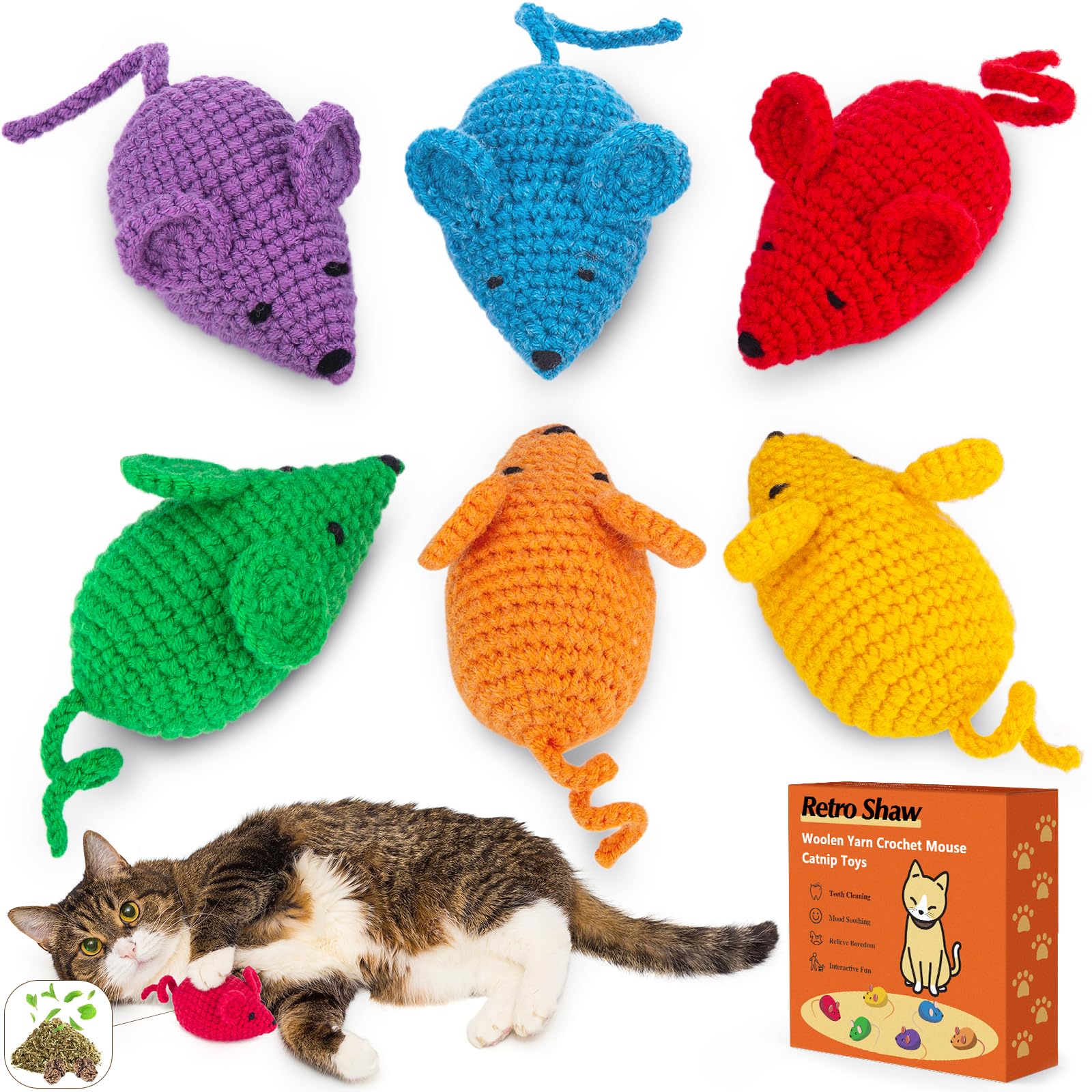
When picking catnip toys, the material plays a pivotal role in safety. Opt for toys made from non-toxic materials like cotton or felt. These are gentle on your kitten’s teeth and claws.
Avoid plastic toys with small parts that can be swallowed. Plush toys are a safe bet, but ensure they’re sewn securely to prevent the stuffing from coming out.
Natural fibers are preferable. They not only ensure safety but also offer a texture that kittens find appealing. Have you ever noticed how kittens love to chew on soft, fabric-like materials?
Recommended Products
Several brands offer safe and engaging catnip toys. Consider brands like Kong and Yeowww! known for their durable construction and high-quality catnip.
- Kong Catnip Toys:These toys are renowned for their robustness, ensuring they withstand playful kitten antics.
- Yeowww! Catnip Toys:Famous for their potent catnip, these toys provide endless entertainment.
- SmartyKat Catnip Toys:Known for eco-friendly materials, these toys are safe and sustainable.
Each of these options guarantees your kitten’s safety while keeping them entertained. Wouldn’t it be wonderful to see your kitten play joyfully without any worries?

Credit: www.amazon.com
Alternatives To Catnip
Exploring safe toys for kittens is important. While catnip toys are popular, some kittens might react differently. Consider alternatives like soft plush toys or interactive laser pointers to ensure safety and fun.
For many kitten owners, catnip toys are a delightful discovery. However, not all kittens respond to catnip, and some may even show signs of disinterest or overstimulation. If you’re seeking alternatives to keep your playful kitten entertained and engaged, you’re in luck. There are various options that can provide similar joy and stimulation without catnip.Herbal Options
Consider introducing your kitten to other safe herbs that can mimic the effects of catnip. Valerian root is a popular choice. It has a calming effect on many cats and can be found in toy form or as a dried herb. Another option is silver vine, which often elicits a stronger response than catnip and can be equally engaging for kittens. If you’re feeling adventurous, you can try honeysuckle wood. Known for its sweet aroma, it can captivate your kitten’s senses. Simply offer a small piece and watch how your kitten reacts. These herbal options can be a great way to discover what truly excites your furry friend.Interactive Toys
Interactive toys can be a fantastic catnip alternative that stimulates both mind and body. Toys that mimic prey, like feather wands or laser pointers, can encourage natural hunting instincts. These toys also provide an excellent opportunity for bonding as you play together. Puzzle toys can also be a hit. They challenge your kitten’s problem-solving skills and can keep them busy for hours. These toys often involve hiding treats, making playtime rewarding and fun. Have you ever noticed how a simple cardboard box can entertain a kitten for hours? The unpredictability and texture of everyday objects can sometimes offer the most engaging playtime. Your kitten’s playful spirit can turn anything into an adventure.Frequently Asked Questions
Is Catnip Safe For Young Kittens?
Yes, catnip is generally safe for young kittens. Most kittens don’t respond to catnip until they’re a few months old. It’s non-toxic and typically harmless if ingested. However, always supervise playtime to ensure safety. Introduce catnip toys gradually to observe any reactions or sensitivities.
How Do Kittens React To Catnip Toys?
Most kittens initially show little interest in catnip. As they mature, around 3 to 6 months, their reactions might change. Typical responses include playful behavior, rolling, or rubbing against the toy. Not all cats are affected by catnip; it’s inherited, affecting about 50-75% of cats.
Can Kittens Overdose On Catnip?
Kittens cannot overdose on catnip, but excessive exposure can cause mild digestive upset. Vomiting or diarrhea might occur if they ingest too much. It’s best to offer catnip toys in moderation. Always monitor your kitten’s behavior and adjust catnip exposure as needed for their comfort and safety.
How Often Should Kittens Play With Catnip Toys?
Introduce catnip toys to kittens a few times a week. Frequent exposure can reduce their interest over time. Each play session should be brief, around 10-15 minutes. Monitor their reactions and adjust frequency based on their enjoyment and engagement with the toys.
Conclusion
Catnip toys are generally safe for kittens. They love the playful experience. Always supervise playtime to ensure safety. Choose toys that are sturdy and free of small parts. This reduces any choking risks. Start with small amounts of catnip. Observe your kitten’s reaction.
Every kitten is different. Some may ignore catnip entirely. Others will enjoy it immensely. Providing safe toys enriches their environment. It keeps them entertained and happy. Regularly check toys for wear and tear. Replace them as needed. Happy kittens mean happy pet owners.
Prioritize safety to ensure peace of mind.