What to Clean Baby Toys With: Safe & Effective Solutions
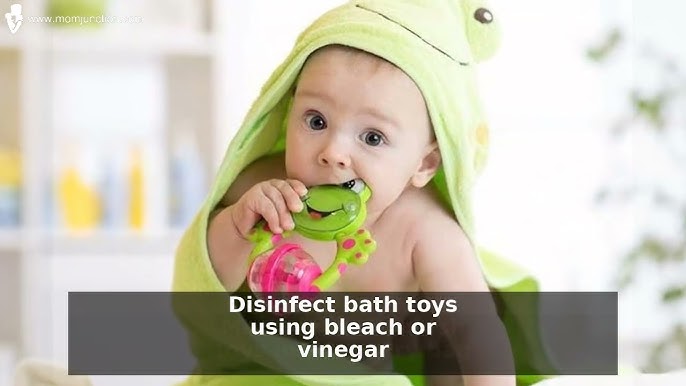
Keeping your baby’s toys clean is more than just a matter of appearance—it’s crucial for their health and safety. Babies explore the world with their senses, and toys often end up in their mouths.
You want to ensure these little explorers are safe from germs and harmful substances. You’ll discover the best ways to clean baby toys, using safe and effective methods that give you peace of mind. Imagine the relief of knowing your child is playing in a safe, clean environment.
Ready to dive in and learn how to make that happen? Let’s get started!

Credit: purezest.ca
Importance Of Cleaning Baby Toys
Maintaining clean baby toys is crucial for health and safety. Use mild soap and warm water to clean toys. For deeper sanitation, consider using a mix of vinegar and water or a baby-safe disinfectant.
Cleaning baby toys is crucial for maintaining a healthy environment. Babies explore the world through touch and taste, increasing exposure to germs. Toys can harbor bacteria, viruses, and dirt, posing health risks. Regular cleaning ensures toys remain safe and hygienic. This practice helps prevent illness and promotes overall well-being.Why Regular Cleaning Is Essential
Baby toys frequently touch mouths and hands. This transfers germs and dirt easily. Regular cleaning reduces exposure to harmful bacteria and viruses. It helps prevent colds, flu, and stomach bugs. A clean toy is a safe toy.Impact On Baby’s Health
Dirty toys can lead to infections and illnesses. Babies have developing immune systems, making them more vulnerable. Clean toys reduce these risks significantly. It contributes to stronger, healthier development.Maintaining Hygiene Standards
Proper cleaning practices help maintain hygiene. This reduces cross-contamination from toys to other surfaces. It helps keep the play area safe and clean. Consistent cleaning practices build a healthier environment.Choosing Safe Cleaning Products
Use non-toxic cleaners for safety. Avoid harsh chemicals that might harm babies. Opt for natural cleaning solutions. They are gentle and effective. This ensures toys are safe for play.Easy Cleaning Methods
Simple cleaning methods save time. Use warm water and mild soap for most toys. Disinfect with vinegar or baking soda for deeper cleaning. Wash cloth toys in the machine. These methods are quick and safe. Clean toys regularly to maintain hygiene. Daily cleaning is ideal for frequently used toys. Weekly deep cleaning ensures thorough sanitization. This routine keeps toys safe and germ-free.
Credit: www.youtube.com
Common Germs On Baby Toys
Babies explore the world with their hands and mouths. This means their toys collect germs easily. Understanding these germs is essential for keeping toys clean. Regular cleaning can prevent illness and keep your baby safe.
Common Germs Found On Baby Toys
Many germs live on baby toys. These include bacteria and viruses. Some bacteria cause common colds. Others might lead to stomach issues. Viruses like the flu can also spread from toys.
Salmonella And E.coli
Salmonella and E.coli are harmful bacteria. They can cause severe stomach problems. These germs often spread through contaminated surfaces. Toys on the floor or near food might have these bacteria.
Staphylococcus
Staphylococcus is a common skin bacteria. It can cause infections if it enters cuts. Babies can transfer it from their hands to toys. This makes cleaning toys important for preventing skin infections.
Respiratory Viruses
Respiratory viruses spread easily among children. Toys often carry viruses like the common cold and flu. When babies touch toys, they can catch these viruses. Keeping toys clean helps reduce the spread.
Fungal Spores
Fungi grow in damp conditions. Toys that get wet can develop fungal spores. These spores can cause allergies or respiratory issues. It’s crucial to dry toys thoroughly after cleaning.
Tips To Clean Baby Toys
- Use mild soap and water for most toys.
- Disinfect with a vinegar solution for deep cleaning.
- Check toy labels for specific cleaning instructions.
- Air dry toys completely to prevent mold.
Safe Cleaning Ingredients
Gentle soap and warm water work well for cleaning baby toys safely. Vinegar mixed with water is another natural option. Ensure thorough rinsing to remove any residue, keeping toys safe for little ones.
Cleaning baby toys safely is important for your child’s health. Using the right ingredients keeps germs away and protects your baby. Many parents seek options that are safe and gentle. Let’s explore some effective cleaning solutions.Natural Cleaners
Natural cleaners are a great choice for cleaning baby toys. They are safe and non-toxic. Vinegar is a popular choice. Mix equal parts of vinegar and water in a spray bottle. Spray the toys and wipe them clean. Vinegar is a natural disinfectant. It removes germs without harsh chemicals. Baking soda is another option. It gently cleans toys and removes odors. Mix baking soda with water to form a paste. Apply it to toys and scrub gently. Rinse well with water.Chemical-free Solutions
Chemical-free solutions are ideal for sensitive skin. They prevent allergic reactions and skin irritation. Castile soap is a favorite among parents. It is made from vegetable oils. Mix a few drops with warm water. Use a cloth to clean the toys. Rinse and dry them well. Essential oils add a pleasant scent. Choose oils like lavender or tea tree. They have natural antibacterial properties. Add a few drops to your cleaning solution.Diy Cleaning Products
DIY cleaning products are easy to make at home. They are cost-effective and safe for babies. Lemon juice is a natural cleaner. It is effective against bacteria and stains. Squeeze fresh lemon juice into a bowl of water. Soak a cloth in the mixture. Wipe the toys and let them air dry. Hydrogen peroxide is another option. It disinfects and is safe for most toys. Mix it with water in a spray bottle. Spray on toys and wipe clean. Always test new solutions on a small area first. This ensures they are safe for the materials.Effective Cleaning Methods
Cleaning baby toys is essential for your child’s health and safety. Germs and dirt can accumulate quickly. Effective cleaning methods ensure toys stay safe and hygienic. Let’s explore some easy and efficient ways to clean them.
Hand Washing
Hand washing is great for delicate toys. Use mild soap and warm water. Gently scrub the toy with a soft cloth or sponge. Rinse thoroughly to remove soap residue. Dry the toy completely before giving it back to your child. This method works well for toys with electronic parts.
Dishwasher Cleaning
Some toys are dishwasher safe. Check the manufacturer’s instructions first. Place these toys on the top rack of your dishwasher. Use a gentle cycle with no heated dry. This ensures thorough cleaning without damaging the toys. Make sure the toys are completely dry before use.
Machine Washing
Soft toys and plushies can often be washed in a machine. Use a pillowcase or laundry bag to protect the toys. Choose a gentle cycle with cold water. Add a small amount of mild detergent. Air dry the toys completely before returning them to your child. This keeps them fresh and clean.
Sanitizing And Disinfecting
Cleaning baby toys is essential for health. Use mild soap and warm water for washable toys. For non-washable toys, disinfect with a mix of water and vinegar.
Cleaning baby toys is more than just wiping off dust. It’s about ensuring they’re safe and germ-free. Babies explore the world with their mouths, making it crucial for you to keep their toys clean. This is where sanitizing and disinfecting come into play. Cleaning removes dirt, but sanitizing and disinfecting take it a step further by tackling germs and bacteria. Let’s dive into the differences and the right products to use for each.Differences Between Sanitizing And Disinfecting
Sanitizing reduces the number of germs to a safe level according to public health standards. It’s perfect for everyday cleaning of toys that aren’t visibly dirty. Think of it as a routine maintenance step. Disinfecting, on the other hand, kills most germs on surfaces. It’s your go-to after a playdate or when your baby has been sick. The goal is to ensure no harmful microbes remain. Understanding these differences helps you decide how to treat different toys. When was the last time you checked which method you were using?Appropriate Products For Each
For sanitizing, mild soap and water often do the trick. You can also use a solution of vinegar and water for a natural approach. These methods are gentle on toys and safe for your baby. Disinfecting requires stronger solutions. Products like diluted bleach or alcohol-based wipes are effective. However, always ensure toys are rinsed well after using such products to avoid residue. Not sure which to use? Consider the material and usage of the toy. Soft toys may only need sanitizing, whereas plastic toys might require disinfecting. Choosing the right method and product ensures your baby’s toys remain clean and safe. What products do you trust for cleaning your child’s toys?
Credit: www.amazon.com
Cleaning Specific Toy Types
Cleaning baby toys ensures a safe play environment. Use mild soap and warm water for plastic toys. For fabric toys, machine wash on a gentle cycle.
Cleaning baby toys is crucial for keeping your little one safe and healthy. Different toys require different cleaning approaches due to their materials and features. Each type demands attention to detail to ensure thorough cleaning without damaging the toy. Let’s dive into how you can clean specific toy types effectively.Plastic And Rubber Toys
Plastic and rubber toys are usually the easiest to clean. You can wash them with warm, soapy water and a soft cloth or sponge. Make sure to rinse them thoroughly to avoid soap residue. For deep cleaning, consider using a mix of water and vinegar. Alternatively, a dishwasher can be a convenient option for those dishwasher-safe toys. Always check labels to ensure they’re dishwasher-friendly.Stuffed Animals
Stuffed animals can be a bit tricky due to their fabric and stuffing. Use a gentle detergent and warm water for spot cleaning. For machine-washable ones, place them in a mesh laundry bag and wash on a delicate cycle. Drying is equally important; air dry them to maintain their softness. Do you have a stuffed animal that’s a family favorite? Make sure its cleaning routine is gentle to preserve its charm.Wooden Toys
Wooden toys require special care since they can’t be soaked in water. Wipe them with a cloth dampened with a mixture of water and vinegar. Avoid harsh chemicals that can damage the wood or affect the toy’s finish. Regularly check for any splinters or rough edges. Have you noticed how some wooden toys seem to develop a unique character over time? Ensuring they’re clean keeps them safe and charming.Electronic Toys
Electronic toys often come with intricate parts that require careful handling. Use a dry cloth to wipe them down. For more thorough cleaning, a slightly damp cloth can be used, but be cautious around battery compartments and openings. Consider using a cotton swab for small crevices. Are your child’s electronic toys a source of endless fun? Keeping them clean helps ensure they remain a safe part of playtime.Frequency Of Cleaning
Cleaning baby toys is important for your child’s health. The frequency of cleaning depends on how often the toys are used and where they are played with. Regular cleaning prevents germs and keeps toys safe for your baby. Let’s explore how often you should clean baby toys.
Daily Cleaning
Some toys need daily cleaning. These are toys babies chew or drool on. Use a damp cloth or baby-safe wipes for quick cleaning. This keeps germs from spreading. Daily cleaning is simple and fast.
Weekly Deep Cleaning
Once a week, do a deep clean for all toys. Use warm, soapy water or a baby-safe cleaner. Rinse thoroughly to remove soap residue. Let them air dry completely. This is great for toys that can’t be cleaned daily.
Seasonal Cleanings
Every season, clean out toy bins and shelves. Sort toys by age and usage. Clean toys that were not used often. Donate or store toys no longer needed. This keeps your baby’s play area organized and hygienic.
Tips For Maintaining Clean Toys
Disinfecting baby toys can be simple. Use mild soap and warm water for regular cleaning. For deeper sanitization, a mix of vinegar and water works well.
Keeping your baby’s toys clean is essential for their health and wellbeing. Toys are often a breeding ground for germs and bacteria, especially as babies love to explore them with their mouths. Maintaining clean toys can be a simple task if you know the right methods and products to use. Let’s delve into some practical tips that can make this process easier and more effective for you.Use Baby-safe Cleaning Products
When cleaning baby toys, always choose products that are safe for infants. Opt for non-toxic, fragrance-free cleaners or mild dish soap. You can also make a simple cleaning solution at home using vinegar and water. This ensures you’re not exposing your little one to harsh chemicals.Routine Cleaning Schedule
Establish a regular cleaning routine for the toys. Consider cleaning high-use items like teethers and rattles daily, while larger toys can be cleaned weekly. Having a schedule helps you stay on track and ensures toys remain hygienic.Inspect And Toss Regularly
Frequently inspect toys for damage or wear and tear. A toy with cracks or holes can harbor bacteria that are hard to clean. If a toy is beyond cleaning or repair, it’s time to toss it for your baby’s safety.Embrace The Dishwasher
Many toys are dishwasher safe, making cleaning a breeze. Check the manufacturer’s guidelines, and if suitable, place the toys on the top rack for a thorough wash. This method is perfect for hard plastic toys and saves you time.Wipe Down Electronic Toys
Electronic toys require a different approach. Use a damp cloth with a bit of soap to wipe them down carefully. Avoid submerging them in water to protect the internal components.Outdoor Toys Need Attention Too
Don’t forget about outdoor toys. These can collect dirt and germs from outside play. Periodically hose them down and scrub with soapy water to keep them clean.Teach Good Habits
As your child grows, teach them the importance of keeping their toys clean. Encourage them to help with simple tasks like wiping toys or putting them away. This builds good habits and makes cleaning a fun activity. Are there toys in your home that could use a bit of extra attention? Implement these tips to maintain a cleaner, safer play environment for your baby.Frequently Asked Questions
What Is Safe To Clean Baby Toys?
Use mild soap and water for cleaning baby toys. Avoid harsh chemicals that can irritate sensitive skin. A mixture of vinegar and water can be effective and safe. Ensure toys are rinsed well to remove any residue. Always dry toys thoroughly to prevent mold growth.
How Often Should Baby Toys Be Cleaned?
Clean baby toys weekly to maintain hygiene. Toys that are frequently used or mouthed may need daily cleaning. Regular cleaning prevents the buildup of germs and bacteria. Always clean toys immediately after illness to avoid spreading infections. A consistent cleaning routine keeps toys safe for your baby.
Can Vinegar Be Used For Cleaning Toys?
Yes, vinegar is a natural disinfectant for baby toys. Mix equal parts of vinegar and water for a safe cleaning solution. Vinegar is effective in killing germs without harsh chemicals. It’s eco-friendly and safe for your baby. Rinse toys well after cleaning to remove any vinegar smell.
Is It Necessary To Sanitize Baby Toys?
Sanitizing is crucial for toys used during teething. It prevents the spread of germs and bacteria. Regular sanitizing helps maintain a clean environment. Always sanitize toys after playdates or sickness. Use safe sanitizing products specifically designed for baby items.
Conclusion
Keeping baby toys clean keeps your child safe. Use mild soap or vinegar. Both options are gentle and effective. Rinse toys well after cleaning. Dry them completely to prevent mold. Check toy labels for specific cleaning instructions. Avoid harsh chemicals that can harm your baby.
Regular cleaning stops germs from spreading. It also extends the life of toys. Remember, clean toys mean healthy playtime. Make cleaning part of your routine. Your baby deserves a safe environment. Simple steps make a big difference. Protect your little one’s health today.
Happy cleaning!