Why Doesn’T My Dog Like Toys: Unraveling the Mystery
Have you ever noticed your dog turning its nose up at toys that other pups seem to adore? You eagerly present your furry friend with a shiny new squeaky toy, only to watch them walk away disinterested, leaving you puzzled and maybe even a little concerned.
You’re not alone in wondering why your dog doesn’t light up at the sight of toys. Understanding this can feel like unraveling a mystery, but it’s one that many pet owners share. Delving into the reasons behind your dog’s toy indifference can not only satisfy your curiosity but also strengthen the bond you share with your canine companion.
By discovering what truly captivates your pup, you can enhance playtime and enrich their life. Read on to explore the fascinating reasons behind this behavior and find solutions that can bring joy to both you and your dog.

Credit: www.ellevetsciences.com
Dog’s Natural Preferences
Understanding your dog’s natural preferences is key to figuring out why they might not be interested in toys. Every dog is unique, and their likes and dislikes can vary widely. Some dogs prefer interactive play with humans or other animals, while others might enjoy exploring their environment more than engaging with toys.
Individual Personality Traits
Just like people, dogs have distinct personalities. Some dogs are naturally more curious and playful, while others might be reserved or cautious. If your dog tends to be shy or anxious, they might not feel comfortable playing with toys. Consider your dog’s temperament. Are they more relaxed and laid-back, or are they energetic and lively?
Think about how your dog behaves in different situations. If they tend to be cautious or hesitant, they might not be drawn to toys that require a lot of interaction or movement. On the other hand, if your dog is highly energetic, they might prefer toys that challenge them physically.
Breed-specific Behaviors
Breed can play a significant role in your dog’s toy preferences. Some breeds are known for their playful nature and love of toys, while others might be more focused on other activities. For example, retrievers might enjoy fetch toys, while terriers might prefer toys that mimic hunting or digging.
Consider the breed-specific instincts your dog might have. Are they a breed known for herding or guarding? If so, they might enjoy toys that simulate these activities. It’s important to align the type of toy with the natural instincts of your dog’s breed to ensure it captures their interest.
Have you noticed certain behaviors that align with their breed tendencies? If so, tailor your toy choices to suit these instincts, and you might find your dog more engaged and interested.

Credit: www.tiktok.com
Health And Wellness Factors
Have you ever wondered why your dog shows no interest in toys? While it may be tempting to label your furry friend as picky, health and wellness factors could be playing a significant role. Let’s dive into some specific health issues that might be affecting your dog’s ability to enjoy playtime.
Dental Health Issues
If your dog avoids toys, it might be due to dental problems. Issues like gum disease or broken teeth can make chewing painful. Imagine trying to enjoy a meal with a toothache—your dog might be feeling the same way. Regular dental check-ups are crucial to ensure that your dog’s mouth is healthy and pain-free.
Pay attention to signs such as bad breath, excessive drooling, or reluctance to eat dry food. These could indicate dental issues. By addressing these problems, you can help your dog rediscover the joy of playing with their toys.
Mobility Challenges
Mobility issues can also deter your dog from playing with toys. Arthritis or joint pain may make it difficult for your dog to chase, fetch, or even pick up toys. Picture yourself trying to run with a sprained ankle—it’s not fun.
Look for signs like limping, stiffness, or hesitation to move. A vet can suggest treatments or exercises to improve mobility. By managing these challenges, you can help your dog regain their playful spirit.
Sensory Impairments
Is your dog less interested in toys than they used to be? Sensory impairments like hearing or vision loss might be the reason. Dogs rely heavily on their senses to interact with their environment, and any changes can affect their play behavior.
Watch for changes in how your dog navigates their surroundings. Do they bump into things or seem startled easily? Sensory impairments can be managed with the right support and adjustments, enabling your dog to enjoy playtime once again.
Understanding these health and wellness factors can help you take steps to make playtime enjoyable for your dog. By being attentive and proactive, you can ensure that your furry friend stays happy and healthy.
Past Experiences And Training
Understanding why your dog may not be interested in toys can often lead back to their past experiences and training. Dogs, like humans, are shaped by their early interactions and memories. If your furry friend seems indifferent to toys, it might be worth considering what they’ve been through and how they’ve been taught.
Lack Of Early Socialization
Socialization during a dog’s early life is crucial for developing their interests and habits. Puppies that aren’t exposed to toys or playtime activities may grow up without recognizing toys as fun or engaging. Imagine growing up in a world where play was never introduced—how would you know the joy of a simple game?
One practical approach is to introduce toys during socialization sessions. Start with soft, safe toys and gradually introduce more interactive ones. You might find that your dog slowly begins to associate toys with fun and companionship.
Negative Associations With Toys
Past experiences can also lead to negative associations with toys. If your dog had a bad experience, such as a loud noise or an injury related to a toy, they might avoid toys altogether. Have you ever shied away from something because of a single unpleasant memory?
Addressing this requires patience and understanding. Try reintroducing toys in a calm, safe environment. Consider using toys similar to those your dog enjoys, like a ball or a plush toy. Show them that toys are safe and can be part of a positive experience.
Engage with your dog by playing alongside them. Sometimes, seeing you enjoy a toy can spark their interest and help them form new, positive associations.
Credit: pethelpful.com
Environment And Lifestyle Influences
Your dog’s disinterest in toys might not be a reflection of their personality but rather the environment and lifestyle they experience daily. Sometimes the setting where your dog spends most of their time can significantly impact how they engage with toys. Examining these factors can help you understand and address your furry friend’s lack of enthusiasm for playtime.
Limited Space Or Freedom
Living in a cramped apartment can limit your dog’s ability to play freely. Without enough room to run around, toys may seem less appealing. Consider how a lack of space might make playtime seem more like a chore than fun.
Imagine being stuck in a small room with only a few options for entertainment. Would you feel motivated to play? Providing a designated area for play can sometimes reignite their interest in toys.
Inadequate Stimulation
Dogs, like humans, crave variety and mental challenges. If their environment lacks stimulating activities, toys can quickly become boring. Think about how often you introduce new toys or rotate them to maintain interest.
Have you ever noticed how a new toy captures their attention briefly? This novelty can wear off if not supported by diverse activities. Ensuring your dog receives adequate mental and physical exercise can make toys more appealing.
Reflect on your dog’s daily routine. Are there enough opportunities for exploration and problem-solving? Engaging their senses and curiosity can transform how they perceive playthings.
By tweaking their environment and daily experiences, you can help your dog rediscover the joy of toys.
Toy Selection And Variety
Choosing the right toys for your dog can sometimes feel like navigating a maze. Not every dog will instantly fall in love with the toys you pick, and it could be due to various factors. Understanding your dog’s preferences and needs can help in selecting toys that will keep them engaged and happy. Let’s dive into the key aspects of toy selection and variety that might influence your dog’s interest in toys.
Material And Texture Preferences
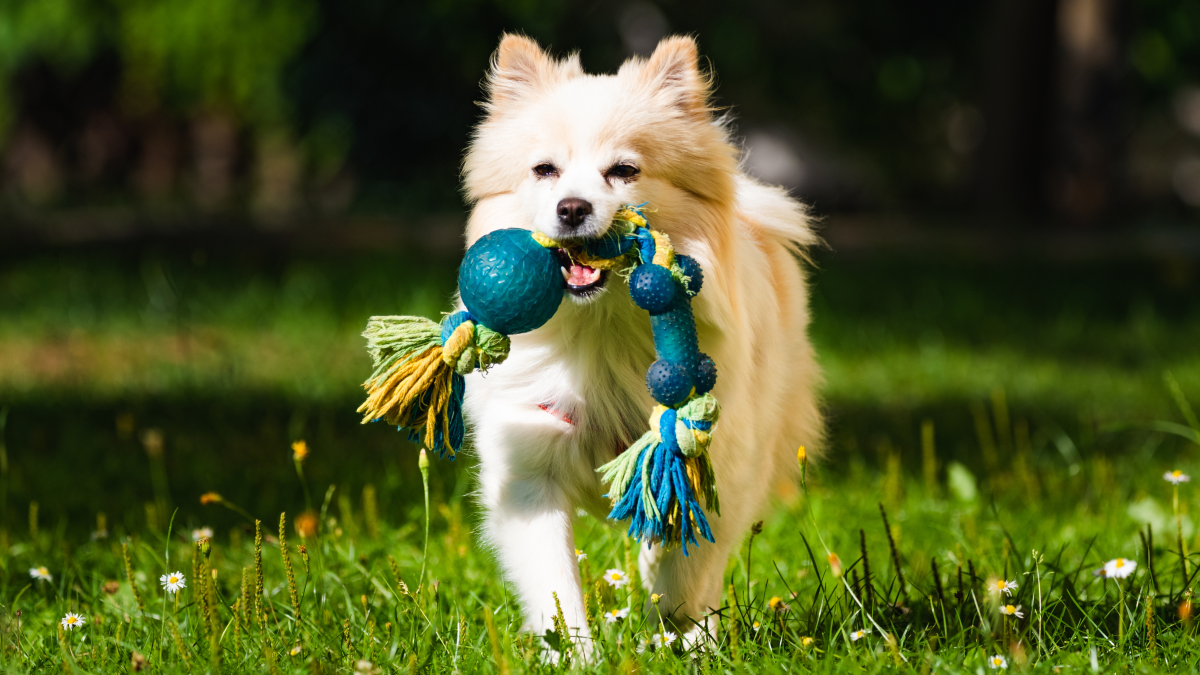
Dogs, much like humans, have unique preferences for the material and texture of their toys. Your dog might favor soft plush toys, while others might prefer the durability of rubber or plastic. Observing what your dog likes to chew on can give you clues. If your dog enjoys chewing on furniture or soft items, plush toys might be the way to go. On the other hand, if they go for harder surfaces, rubber toys could be a better match.
Size And Shape Considerations
Toy size and shape play a crucial role in your dog’s interest. Small dogs may struggle with large toys, while bigger dogs can find small toys uninteresting. The shape of the toy is equally important; some dogs enjoy chasing round balls, while others might prefer the challenge of oddly shaped toys that don’t roll predictably. Experimenting with different sizes and shapes can help you find the perfect toy that fits your dog’s play style.
Scent And Sound Appeal
Scent and sound can be enticing for many dogs. Toys that make noise, like squeakers, can capture a dog’s attention and make playtime more engaging. Some toys are designed with particular scents that mimic food or other natural smells, which can be appealing to dogs with a keen sense of smell. Consider toys that combine scent and sound to provide a multi-sensory experience that might intrigue your dog.
Building Interest In Toys
Dogs may not like toys due to unfamiliar textures or scents. Some dogs prefer interactive play over toys. Understanding your dog’s preferences can help in choosing suitable toys.
Building Interest in Toys Not every dog is naturally drawn to toys. This can be puzzling for owners eager to engage their pets in play. But with patience and creativity, you can spark your dog’s interest in toys, making playtime fun and beneficial for both of you.Positive Reinforcement Techniques
Positive reinforcement can be a game-changer. Reward your dog with treats or affection whenever they show interest in a toy. This creates a positive association with toys. Try using a high-value treat they don’t often get. This makes the reward more enticing, encouraging your dog to explore the toy further. Consistency is key. Regular praise and rewards will reinforce their curiosity and engagement with toys.Interactive Play Sessions
Interactive play sessions can boost your dog’s interest in toys. Play with them using the toys, making it a shared activity. Use toys that mimic prey-like movements, such as squeaky toys or those that roll unpredictably. This taps into your dog’s natural instincts, making playtime more exciting. Involve yourself actively. Dogs often mirror your enthusiasm, so your engagement can motivate them to play.Incorporating Toys Into Daily Routine
Include toys in your dog’s daily routine to normalize their presence. This helps your dog view toys as part of their everyday life. Place toys in areas your dog frequents, like their bed or favorite lounging spot. This increases the chance of them engaging with the toy. During walks or outdoor play, bring along a toy. This introduces variety and keeps your dog curious about the toy’s role in different environments. Have you noticed your dog showing more interest in a particular type of toy?When To Seek Professional Advice
Dogs not playing with toys can be concerning. Sometimes, professional advice is needed. A vet or dog behaviorist can offer guidance. They help address underlying issues. Let’s explore when it might be time to seek their expertise.
Persistent Lack Of Interest
If a dog shows no interest in toys for weeks, it might be a sign of a deeper issue. Toys are important for mental stimulation. They help prevent boredom and destructive behavior. Long-term disinterest can impact a dog’s well-being. It’s essential to determine if there’s a physical or emotional reason behind it. A vet can rule out health problems. They can also suggest activities that might engage your dog.
Behavioral Assessment
A professional can assess your dog’s behavior. They identify triggers affecting your dog’s interest in toys. Sometimes, past trauma or anxiety can cause disinterest. An expert can help modify behavior. They tailor solutions to suit your dog’s needs. This can include new types of toys or play strategies. A behavioral assessment can provide insights into your dog’s preferences and fears. Understanding these can lead to a happier, more engaged pet.
Frequently Asked Questions
Why Doesn’t My Dog Play With Toys?
Some dogs may not show interest in toys due to lack of familiarity. They might not know how to interact with them. Sometimes, the toy’s texture or smell might not appeal to them. Experiment with different types of toys to find what your dog prefers.
Are Certain Toys More Appealing To Dogs?
Yes, dogs can have preferences for specific toys. Some might like squeaky toys, while others prefer chewable ones. Soft textures and interactive toys often attract dogs more. Understanding your dog’s preferences can help in selecting the right toys for them.
Can Age Affect A Dog’s Interest In Toys?
Age can impact a dog’s interest in toys. Puppies are usually more playful and curious. Older dogs might lose interest due to reduced energy or dental issues. Offering age-appropriate toys can help maintain their interest and engagement with toys.
How Do I Encourage My Dog To Play?
To encourage play, try interactive games like fetch or tug-of-war. Engage with your dog using the toy to create excitement. Positive reinforcement with treats can also motivate them to play. Experiment with different activities to find what excites your dog.
Conclusion
Understanding your dog’s toy preference can strengthen your bond. Each dog is unique. Some prefer cuddles over toys. Others might enjoy interactive play. Observing your dog’s behavior helps. Try different toys and activities. Sometimes, a simple change works wonders. Patience is key.
Encourage play without forcing it. Consult a vet if concerns persist. They can provide helpful insights. Remember, a happy dog is what matters most. Your love and attention are the best toys. Keep exploring what brings joy to your furry friend.
Enjoy the journey together!