Imagine the joy on your child’s face when they create their very own toy from just a piece of paper. It’s not just a fun activity; it’s a magical experience that sparks creativity and imagination.
Making paper toys is a delightful way to spend time together while crafting something unique and personal. You don’t need fancy materials or expert skills—just a bit of paper, some scissors, and your creativity. With a few simple steps, you can transform ordinary paper into extraordinary toys that tell your story.
As you read on, you’ll discover easy techniques to create paper toys that will not only entertain but also educate and inspire. Get ready to unlock the world of paper crafting, where every fold can lead to a new adventure. Dive into the article and find out how you can turn simple paper into a playground of possibilities!
Benefits Of Making Paper Toys
Crafting paper toys offers a creative outlet that enhances fine motor skills. These eco-friendly creations encourage imaginative play and reduce waste.
Making paper toys is not just about folding and cutting; it’s about creating something with your own hands, something that carries a piece of your creativity and imagination. This hands-on activity provides more than just a fun way to pass the time. It offers numerous benefits that can enhance your skills, strengthen relationships, and even improve your well-being.Develops Fine Motor Skills
Crafting paper toys requires precision and careful movement, which helps improve your fine motor skills. Each fold and cut trains your fingers to be more dexterous. This is especially beneficial for children, as it aids in their hand-eye coordination and prepares them for tasks that require detailed hand movements.Boosts Creativity And Imagination
Creating paper toys opens a world of endless possibilities. You can transform a flat sheet of paper into anything you dream up. This process stimulates your imagination and encourages innovative thinking. What will you create next—a fierce dragon or a whimsical fairy?Encourages Problem-solving Skills
As you navigate through the steps of making paper toys, you’ll encounter challenges that require problem-solving. Figuring out how to make a design stable or how to recreate a complex structure pushes you to think critically. It’s like a puzzle, where the satisfaction lies in finding the perfect solution.Provides An Affordable Hobby
Paper is one of the most accessible and affordable materials available. Unlike many hobbies that require expensive tools, paper toys can be made with simple supplies found around your home. This makes it an ideal hobby for anyone on a budget.Fosters Social Interaction
Making paper toys can be a collaborative activity. Invite friends or family to join you in crafting, and you’ll find it’s a fantastic way to bond. Sharing this creative space promotes communication and teamwork, enriching relationships in a fun and productive setting.Offers A Sense Of Accomplishment
There’s a unique satisfaction in transforming a simple piece of paper into a finished toy. Completing a project gives you a sense of achievement and boosts your confidence. Each paper toy you create is a tangible result of your effort and creativity.Promotes Mindfulness And Relaxation
Focusing on the intricate details of crafting can be meditative. It allows you to be present in the moment, which reduces stress and anxiety. The rhythmic process of folding and cutting can serve as a calming ritual, providing a break from the hustle and bustle of daily life. What about you? Have you ever tried making a paper toy? It might just be the perfect blend of creativity, challenge, and relaxation you need.
Credit: www.youtube.com
Essential Materials
Creating paper toys involves gathering essential materials like colorful paper, scissors, and glue. Precision and creativity bring these paper creations to life. Simple folds and cuts turn ordinary sheets into playful, imaginative toys.
Creating paper toys is a fun and creative activity for all ages. The joy of transforming simple materials into playful objects is truly rewarding. Before diving into crafting, gather the essential materials for a seamless experience. Having the right supplies ensures your paper toys are sturdy and well-made.Paper Types
Choose the right paper for your project. Use construction paper for sturdy toys. Origami paper offers vibrant colors and patterns. Cardstock is ideal for more durable creations.Cutting Tools
Quality scissors are crucial for clean cuts. Opt for safety scissors for young children. A craft knife can be useful for intricate designs.Adhesives
Glue sticks are easy to handle and mess-free. Liquid glue provides stronger bonds for complex toys. Double-sided tape is perfect for quick assembly.Decorative Elements
Markers and crayons add color to your toys. Stickers offer fun embellishments. Glitter can make your creations sparkle.Measuring Tools
A ruler ensures precise measurements. Use a pencil for marking guidelines. Templates can assist in achieving uniform shapes.Safety Gear
Protect your workspace with a mat. Consider finger guards when using sharp tools. Always supervise children during crafting sessions.Storage Solutions
Keep materials organized in a box. Use folders for paper storage. Label containers for easy access.Basic Techniques
Creating paper toys involves simple cutting and folding techniques. Use colorful paper and follow easy patterns. Perfect for fun crafting activities with children.
Creating paper toys is a delightful craft that combines creativity with simple techniques. Whether you’re crafting a paper airplane or an intricate animal figure, understanding the basic techniques is essential to bring your creations to life. This section will guide you through the fundamental skills needed, ensuring your paper toys are both sturdy and aesthetically pleasing.Folding Methods
Mastering folding methods is key to crafting paper toys. The classic mountain and valley folds are your starting points; these are the backbone of origami. Think of each fold as a building block in your design. For a clean fold, use the edge of a ruler or a bone folder to create crisp lines. This precision prevents paper from tearing, especially with thicker materials. Experiment with different folding techniques like reverse folds or squash folds to add complexity and dimension to your toys. Each fold adds character, so how will you transform a simple sheet into something extraordinary?Cutting Tips
Cutting is another crucial technique, ensuring pieces fit perfectly together. Sharp scissors or a precision craft knife make all the difference. A cutting mat protects surfaces and helps achieve clean edges. For intricate designs, consider using a stencil or template to guide your cuts. This ensures uniformity and accuracy, which is especially important in symmetrical designs. Always keep your cutting tools clean and sharp to avoid ragged edges that can detract from the final look. What tools do you prefer for achieving precision in your cuts?Gluing And Assembling
Gluing requires patience and precision. Choose the right adhesive; a simple glue stick works well for lightweight paper, while stronger glue is needed for heavier cardstock. Apply glue sparingly to prevent warping or wrinkling the paper. Use a toothpick or small brush for detailed areas to ensure even distribution. Assembling the pieces is where your creation comes to life. Follow the instructions carefully, and consider using clips or weights to hold pieces in place while the glue dries. How do you ensure your creations stand strong and true?Simple Paper Toy Ideas
Crafting paper toys is a delightful way to spark creativity. Fold, cut, and assemble paper into fun shapes. Simple ideas include paper airplanes, boats, or animals. Enjoy making these easy toys with just paper and scissors. Perfect for kids and adults alike.
Creating paper toys is a delightful way to spend time, exercise creativity, and produce something tangible and fun. Simple paper toy ideas offer a great starting point, especially for those new to paper crafting. These projects require minimal materials, just paper and a bit of imagination, making them accessible to everyone. Let’s dive into some simple yet exciting paper toy ideas that you can try today!Paper Boats
Paper boats are a timeless classic. They are easy to make and can float, adding an element of play. Start with a rectangular piece of paper. Fold it in half to create a crease, then unfold. Next, fold the corners to the center crease, forming a triangle. Fold the bottom edges up on both sides. Carefully pull the sides apart, forming a square. Lastly, pull the top corners outward to form a boat shape. You can experiment with different paper types to see which floats best. Imagine racing them in a small pool or a bathtub. Does yours float faster?Paper Airplanes
Paper airplanes are not just about making something fly; they teach you about balance and aerodynamics. Begin with an A4 sheet of paper. Fold it in half lengthwise, then unfold. Fold the top two corners down to the center crease, forming a triangle. Fold the angled edges to the center again to create a sharper nose. Fold the plane in half along the center crease. Finally, fold the wings down, ensuring they are symmetrical. Test your airplane’s flight in an open space. How far can it glide?Origami Animals
Origami animals are a step up in complexity but immensely rewarding. They require precision and patience. Start with a square piece of paper. A simple origami animal to try is a crane. Fold the paper in half diagonally. Unfold and fold in the opposite direction. Create a kite shape by folding the edges to the center crease. This is just the beginning of the crane, but there are many resources online to guide you through the intricate steps. Once mastered, origami animals can serve as delightful decorations or gifts. What animal will you create next? Engage with these simple paper toy ideas and let your creativity soar. Which project will you start with?Intermediate Projects
Create delightful paper toys with intermediate crafting skills. Explore various folding techniques and colorful designs to transform plain paper into unique creations. Engage in this fun project to develop creativity and improve hand-eye coordination.
Intermediate projects in paper toy making offer exciting challenges. These projects are perfect for those with some basic skills. They allow for creativity and a sense of accomplishment. Intermediate projects include 3D paper models, pop-up cards, and moving paper toys. Each type has its unique charm and complexity. Let’s explore each one.3d Paper Models
Crafting 3D paper models involves assembling paper pieces into a three-dimensional form. Start with a template. Cut out each part carefully. Fold along the dotted lines. Glue tabs to connect pieces. Watch your creation come to life. Popular models include animals, buildings, and vehicles. Precision and patience are key.Pop-up Cards
Pop-up cards add an element of surprise. Begin with a card base. Create cut-out shapes for the pop-up design. Fold and glue them inside the card. Open the card to reveal the pop-up effect. Simple designs work best for beginners. Use vibrant colors for a lively touch. Great for birthdays and celebrations.Moving Paper Toys
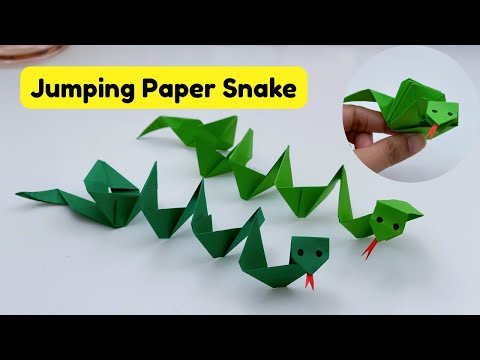
Moving paper toys are fun and interactive. They often involve simple mechanisms. Use templates to cut out parts. Assemble them with glue or tape. Create levers or wheels for movement. Test the toy to ensure smooth action. Designs can range from spinning tops to jumping frogs. They bring joy and movement to paper creations.
Credit: www.youtube.com
Advanced Creations
Creating paper toys can be a delightful hobby. As skills improve, you can explore advanced creations. These projects require patience and precision. They offer a rewarding challenge and stunning results. Let’s dive into some intricate paper creations.
Paper Automata
Paper automata are moving models made from paper. They often depict playful scenes or characters. Building them involves gears, levers, and cranks. Each piece must fit perfectly. This ensures smooth movement. Start with simple designs. Gradually try more complex mechanisms. Materials include sturdy paper and glue. Patience is key. The end result is a mesmerizing piece that moves with a turn of a handle.
Miniature Paper Houses
Miniature paper houses are charming and detailed. They require precise cutting and folding. Each house tells its own story. Use colorful paper and pens for decoration. Windows and doors add realism. These houses can be part of a paper village. Create different styles, like cottages or skyscrapers. This project enhances creativity and spatial awareness.
Intricate Origami Sculptures
Origami sculptures push creative boundaries. They start with a single sheet of paper. No cuts, just folds. Designs range from animals to abstract art. The key is understanding paper’s potential. Use diagrams or video tutorials for guidance. Practice basic folds first. Then move to advanced techniques. Patience and practice lead to mastery. Each sculpture is a testament to skill and precision.
Safety Tips For Kids
Creating paper toys can be fun and safe with simple guidelines. Use child-friendly scissors to avoid cuts. Ensure kids work in a well-lit area to prevent eye strain.
Creating paper toys can be a delightful activity for kids. It sparks creativity and fine motor skills. While engaging in this fun craft, safety should always come first. Here are some important safety tips to keep in mind.Use Child-safe Scissors
Always choose scissors designed for kids. They have rounded tips and are easier to handle. This reduces the risk of cuts or injuries.Supervise Glue Usage
Kids love using glue, but it can be messy. Ensure they use non-toxic glue. Supervise their work to prevent accidental ingestion or spills.Maintain A Clean Workspace
A tidy area prevents accidents. Keep paper scraps and tools organized. This helps kids focus on their crafting.Avoid Small Parts
Small pieces can be a choking hazard. Avoid using tiny decorations or parts with young children. Opt for larger, safer items instead.Ensure Proper Lighting
Good lighting is crucial for crafting. It helps kids see clearly and avoid mistakes. Position their workspace near a window or use a lamp.Wash Hands After Crafting
Always wash hands after crafting. This removes glue and any other residue. It’s a simple step to ensure safety and hygiene. These tips ensure a safe and enjoyable crafting experience. Encourage creativity while keeping safety in mind.Encouraging Creativity
Creating paper toys is a wonderful way to foster creativity in children and adults alike. It invites individuals to express their imagination through simple materials like paper, scissors, and glue. This hands-on activity not only entertains but also develops problem-solving skills and artistic abilities. Encouraging creativity through paper toys can lead to unique designs that reflect personal style and preferences.
Incorporating Colors And Patterns
Colors and patterns breathe life into paper toys. Choosing vibrant hues can make the toys more appealing and engaging. Patterns add depth and character, transforming a simple toy into a work of art. Experiment with stripes, polka dots, or floral designs. Combining different colors and patterns can result in striking visual effects.
Personalizing Designs
Personalization is key to making paper toys truly special. It allows creators to infuse their personality into each piece. Add initials or favorite shapes to your designs. Use themed stickers or stamps for a personalized touch. This makes the toy unique and meaningful.
Creative Display Ideas
Displaying paper toys creatively enhances their charm. Arrange them in a shadow box for a three-dimensional effect. Create a mobile by hanging them with strings. Use a decorative shelf to showcase a collection. These display ideas not only highlight the toys but also add aesthetic value to any space.
Sharing And Collaborating
Sharing and collaborating on paper toy creations can transform a solitary hobby into a vibrant community activity. Whether you’re gathering with friends in person or connecting with enthusiasts online, collaboration can spark creativity and inspire new ideas. Let’s explore some ways you can share your passion for paper toys with others and build connections.
Organizing Paper Toy Workshops
Hosting a paper toy workshop is a fantastic way to bring people together. You don’t need a fancy venue; your living room or a local community center can serve as the perfect spot. Provide basic materials like scissors, glue, and paper, and encourage participants to bring their own supplies too.
Workshops can be tailored for different age groups and skill levels. For children, simple designs are perfect, while adults might enjoy more complex projects. Consider inviting a local artist or experienced hobbyist to lead the session, adding an expert touch to the experience.
Community Crafting Events
Community crafting events are an excellent opportunity to meet fellow enthusiasts and share your love for paper toys. These events can be standalone gatherings or part of larger community fairs and festivals. Reach out to local libraries, schools, or community centers to see if they’re interested in collaborating on an event.
At these events, set up a table or booth where people can stop by and try their hand at making a paper toy. Provide templates or pre-cut designs for those who may be new to the craft. This not only spreads the joy of paper toys but also fosters a sense of community and connection.
Online Sharing Platforms
The internet is a treasure trove of platforms where you can share your paper toy creations and collaborate with others globally. Websites like Pinterest and Instagram allow you to showcase your work and draw inspiration from others. Consider joining online forums or Facebook groups dedicated to paper crafts to exchange tips and ideas.
Think about starting a blog or YouTube channel where you can share tutorials and document your projects. Engaging with others online can lead to collaborations and friendships with people who share your passion. What unique designs will you inspire others to create?

Credit: www.youtube.com
Frequently Asked Questions
What Materials Do I Need For Paper Toys?
To make paper toys, you’ll need colorful paper, scissors, glue, and markers. You might also use a ruler for precise cuts. Optional materials include stickers or decorative tape for added flair. Having a basic template or design can also be helpful in guiding your creativity.
How Do I Start Making Paper Toys?
Begin by selecting a simple paper toy design or template. Cut the paper according to the design, then fold and glue it as directed. Ensure the edges align correctly to create a sturdy toy. Customize with colors and decorations for a personal touch.
Can Children Make Paper Toys Safely?
Yes, children can safely make paper toys with supervision. Choose age-appropriate designs and provide child-safe scissors and glue. Encourage creativity while ensuring they follow safety guidelines. This activity can improve their fine motor skills and provide a fun, educational experience.
What Are Some Easy Paper Toy Ideas?
Some easy paper toy ideas include paper airplanes, origami animals, and simple pop-up cards. These projects require minimal materials and are beginner-friendly. You can find templates online or create your own designs. Experiment with different colors and patterns for unique creations.
Conclusion
Creating paper toys is fun and rewarding. It allows creativity to flourish. Kids and adults enjoy the process equally. Following simple steps makes it easy for everyone. From folding to decorating, every step is exciting. These toys also make great gifts.
Personalized and handmade, they hold special value. Crafting together can strengthen family bonds too. Remember to use safe materials for kids. Practice makes perfect, so keep trying different designs. Explore your imagination and have fun with paper toys. Your creativity knows no bounds.
Start crafting today and enjoy the adventure.