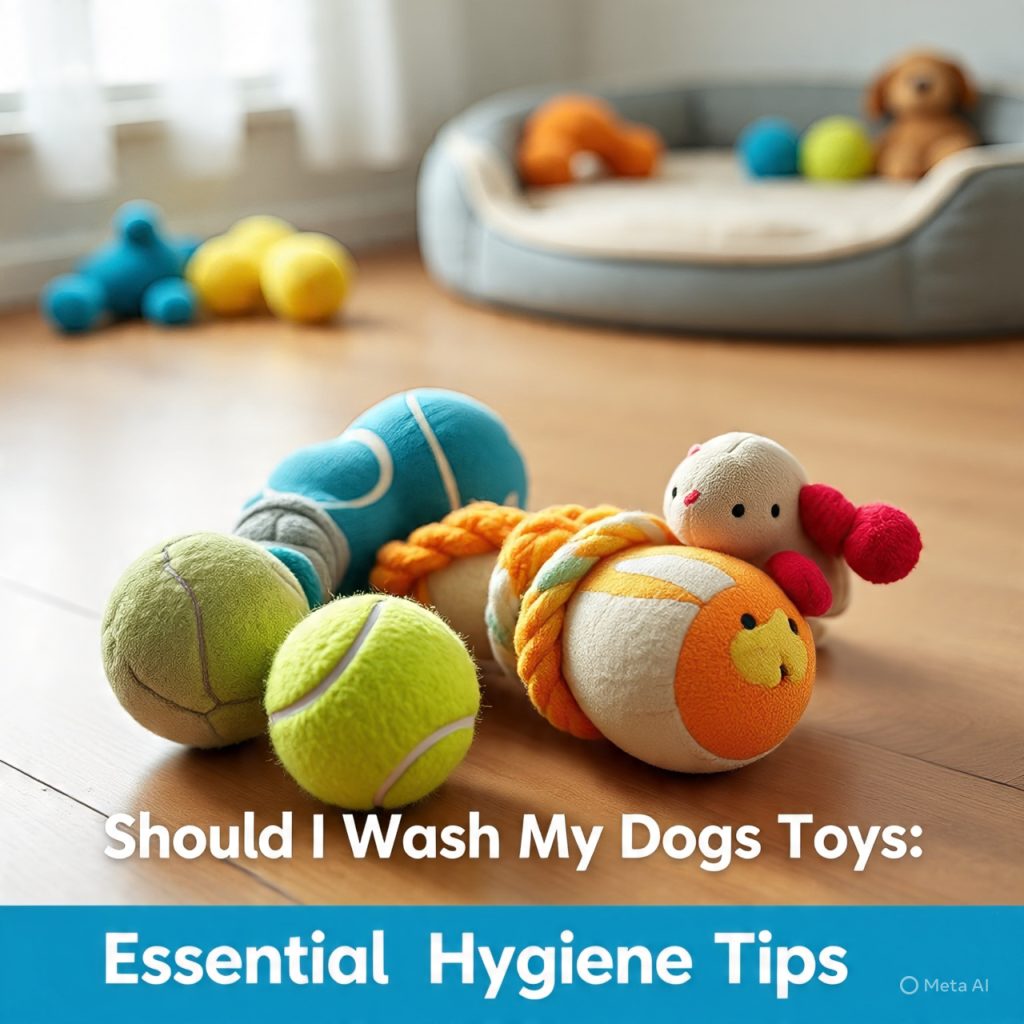
Imagine this: your dog gleefully pounces on its favorite toy, and it brings an instant smile to your face. But have you ever stopped to wonder about the cleanliness of that beloved squeaky or chew toy?
If you’re like most dog owners, you probably haven’t given it much thought. However, the cleanliness of your dog’s toys can directly impact their health and happiness. In this blog post, we’re diving into a topic that often flies under the radar: “Should I Wash My Dog’s Toys?
” You might be surprised at how this simple action can make a big difference in your furry friend’s life. We’ll explore why washing those toys is more important than you might think, and how it can prevent issues you never saw coming. Keep reading to discover how just a few minutes of your time can contribute to your dog’s well-being, ensuring their playtime is as safe and fun as it should be.
Importance Of Cleaning Dog Toys
Cleaning dog toys is crucial for maintaining your pet’s health. Dirty toys can harbor bacteria and germs, risking infections. Regular washing ensures safe playtime and keeps your dog happy and healthy.
Cleaning your dog’s toys might not be on your daily to-do list, but it holds significant importance for your pet’s health. Over time, toys can become breeding grounds for germs and bacteria, especially if your dog loves to slobber or chew them. A clean toy not only ensures your dog’s safety but also prolongs the toy’s lifespan, saving you money in the long run.Why Cleanliness Matters
Dog toys are like magnets for germs. Every time your dog plays, chews, or drags them around the yard, they pick up dirt and bacteria. These can lead to infections or upset stomachs. Have you ever noticed your dog getting sick without any apparent reason? The culprit might be those unwashed toys.Protecting Your Pet’s Health
Your dog’s immune system is strong, but regular exposure to bacteria can wear it down. Cleaning toys regularly reduces the risk of infections and keeps your dog healthier. It’s a small step with big rewards. Imagine the peace of mind knowing your pet is safe.Extending Toy Life
A clean toy lasts longer. Dirt and grime can degrade toy materials, leading to quicker wear and tear. By washing them, you ensure they stay in good condition, maintaining their shape and function. Isn’t it satisfying to see your dog’s favorite toy remain intact for months?Easy Cleaning Tips
Washing dog toys doesn’t have to be a chore. Some toys can go in the dishwasher, while others need a simple soak in warm, soapy water. Check the toy’s material before cleaning. A few minutes of care can save hours of worrying about your dog’s health.Creating A Routine
Make toy cleaning part of your regular routine. Perhaps every weekend or whenever you notice grime build-up. It’s simple, effective, and ensures your dog always has fresh toys to play with. Wouldn’t you want a clean play area too?Encouraging Healthy Play
A clean toy invites your dog to play more. Dogs love exploring new scents and textures, but a clean toy can be equally enticing. Encourage playtime with toys that smell and feel fresh. Your dog will thank you with wagging tails and happy barks.Common Germs On Dog Toys
Dog toys can harbor germs like E. coli, Salmonella, and yeast. Regular washing helps keep your pet safe and healthy. Use mild soap and warm water to clean these toys frequently.
Dog toys are an essential part of your furry friend’s life, providing entertainment, comfort, and even helping with dental health. However, these beloved items can also become a breeding ground for germs. Just like any other surface your dog frequently touches, toys can accumulate bacteria, fungi, and other microorganisms. Being aware of common germs on dog toys can help you decide whether it’s time to give them a good wash.Staphylococcus
Staphylococcus bacteria, commonly found on dog toys, can lead to infections in both pets and humans. These bacteria thrive in moist environments, making slobbery toys a perfect home. Regular washing can help reduce the risk of exposure to these potentially harmful germs.Salmonella
Salmonella is another germ that can hitch a ride on your dog’s toys. Dogs often use their mouths to explore the world, increasing the chance of transferring this bacteria to their toys. Washing toys frequently can minimize the risk of salmonella spreading throughout your home.Mold And Mildew
Mold and mildew can grow on toys left in damp or humid conditions. These fungi not only damage the toys but can also cause respiratory issues in your pet. Ensuring toys are thoroughly dried after each wash can help prevent mold and mildew growth.Coliform Bacteria
Coliform bacteria, often found in the intestines of animals, can easily spread onto toys. This type of bacteria can be particularly concerning if your dog plays with toys outside. Washing and sanitizing toys regularly can help keep coliform bacteria at bay.Yeast
Yeast can develop on toys, especially those made from fabric or plush materials. Dogs’ mouths are naturally warm and moist, creating the perfect environment for yeast to grow. Regular cleaning can prevent yeast buildup and keep toys fresh and safe for play. Considering these common germs, have you checked your dog’s toys lately? Perhaps it’s time to incorporate toy cleaning into your routine. Regular washing not only keeps toys looking and smelling fresh but also protects your pet from potential health risks.Signs Toys Need Cleaning
Dirty toys can smell bad and change colors. Your dog might lose interest in them. These signs show it’s time for a wash.
As a dog owner, you know how much your furry friend loves their toys. They chew, tug, and carry them everywhere. But have you ever wondered if those toys need cleaning? Dirty toys can harbor germs, bacteria, and even parasites, which can make your dog sick. Identifying the signs that your dog’s toys need cleaning can help keep them healthy and happy.Visible Dirt And Grime
When you notice a layer of dirt or grime on your dog’s toys, it’s time for a wash. Toys that are used outdoors can quickly become caked in mud and debris. Even indoor toys can accumulate dust and saliva, making them less appealing.Unpleasant Odor
If your dog’s toys start emitting a foul smell, they definitely need cleaning. Bad odors can be a sign of bacterial growth or leftover food particles stuck in the toy. A quick sniff can help you determine if it’s time for a bath.Sticky Or Slimy Texture
A sticky or slimy texture on your dog’s toys is a clear indication they need attention. This can be due to saliva buildup or remnants of treats. Handling these toys can be unpleasant for both you and your pet.Change In Color
Toys that have changed color, especially if they’ve become darker or yellowed, might be harboring bacteria or mold. Regular cleaning can prevent discoloration and ensure the toys remain safe for play.Loss Of Shape Or Structure
If a toy has lost its shape or appears to be falling apart, it might be time for more than just cleaning. While washing can help maintain quality, some toys might need replacing if they are too worn out.
Credit: www.instagram.com
Safe Cleaning Methods
Keeping your dog’s toys clean is important for their health. Dirty toys can harbor germs and bacteria. Regular cleaning helps in maintaining a safe environment for your furry friend. Here are some safe cleaning methods to ensure your dog’s toys remain hygienic and safe.
Washing Machine Tips
Many soft toys can be cleaned using a washing machine. Place the toys in a pillowcase or laundry bag. Use a gentle cycle with cold water. Add a mild detergent. Avoid using fabric softeners or bleach. After washing, air dry the toys completely. This prevents mold and ensures safety for your pet.
Hand Washing Techniques
Hand washing is effective for delicate or hard toys. Fill a basin with warm water. Add a few drops of mild soap. Scrub toys gently using a soft brush. Rinse thoroughly to remove soap residue. Dry them well before giving back to your dog. Regular hand washing keeps toys fresh and clean.
Dishwasher Use
Some hard toys are dishwasher safe. Place them in the top rack. Use a normal cycle without detergent. Heat from the dishwasher sanitizes the toys. Ensure toys are made from materials that can withstand high temperatures. Always check manufacturer’s instructions before using this method.
Choosing Cleaning Products
Dirty toys can carry germs and bacteria. Choosing gentle cleaning products keeps your dog’s toys safe. Regular washing helps maintain hygiene.
Choosing the right cleaning products for your dog’s toys is crucial. You want to ensure their safety while keeping germs at bay. Selecting suitable cleaning agents can make a huge difference in maintaining hygiene.Natural Cleaning Solutions
Natural cleaners are a safe choice for dog toys. Vinegar is a popular option. It disinfects and removes odors effectively. Mix equal parts water and vinegar. Soak the toy and rinse thoroughly. Baking soda is another good choice. Sprinkle it on toys and scrub gently. It deodorizes and cleans without harsh chemicals. Lemon juice is antibacterial. Squeeze lemon juice onto the toy and wipe clean. These solutions are gentle yet effective.Avoiding Harmful Chemicals
Many cleaning products contain harmful chemicals. These can be dangerous for your pet. Always check labels for toxic ingredients. Avoid products with bleach and ammonia. They can irritate your dog’s skin and mouth. Opt for non-toxic and pet-friendly labels. Ensure proper rinsing after cleaning. Residues can pose a risk if ingested. Prioritize your dog’s safety by choosing wisely.
Credit: www.facebook.com
How Often To Clean
Keeping your dog’s toys clean ensures their health and safety. Wash them every one to two weeks, depending on usage. Regular cleaning prevents bacteria buildup and extends the lifespan of the toys.
Deciding how often to clean your dog’s toys can feel like a guessing game. However, a regular cleaning schedule can help maintain your pet’s health and prolong the life of their favorite playthings. Understanding the frequency and methods for cleaning can make this task easier and more effective.Weekly Cleaning Schedule
A weekly cleaning routine is a good rule of thumb for most dog toys. Consider setting a specific day each week to tackle this task. This consistency will help you remember and ensure that toys are always fresh and safe for your pet. Toys that are frequently outdoors or in contact with dirt might need more attention, but a weekly schedule is a solid start.Spot Cleaning Needs
Not all cleaning needs to be a full wash. Spot cleaning is perfect for those quick fixes when a toy gets a little too grimy mid-week. Keep a damp cloth handy to wipe off drool or dirt, ensuring your dog can continue to play happily without waiting for the next full clean. Are there certain toys your dog loves more than others? These might need more frequent spot cleaning, as they’re likely to get dirtier faster.Storing Clean Toys
Cleaning dog toys prevents bacteria buildup and keeps them safe for play. Regular washing with mild soap and water is essential. Store clean toys in a dry, accessible place to maintain hygiene and ensure your dog’s health.
Storing clean toys effectively is just as important as washing them. Your dog’s toys can harbor bacteria if they’re not stored properly, even after a thorough cleaning. It’s crucial to ensure these toys remain hygienic until your furry friend is ready to play again. So, how do you store clean toys to maintain their freshness and safety?Choose The Right Storage Location
Select a dry place to keep your dog’s toys. Moisture can lead to mold growth, undoing all your cleaning efforts. Consider using a high shelf or a dedicated toy box that allows airflow. This prevents humidity from accumulating and keeps the toys in good condition.Organize By Toy Type
Grouping toys by type can make storage more efficient. Separate soft plush toys from hard rubber ones. This not only helps you find the right toy easily but also prevents damage to softer toys that might occur from being squished by heavier ones.Use Airtight Containers
For toys that are less frequently used, airtight containers are a great option. They keep dust and other particles from settling on the toys. Moreover, these containers can be a lifesaver if you have limited space.Regularly Inspect The Storage Area
A quick check of your storage area can reveal any issues like moisture or pests. Regular inspections help you maintain a clean environment for the toys. If you spot any problems, address them immediately to keep the toys safe.Label And Rotate Toys
Labeling storage containers can be a game changer. It saves time and keeps you organized. Rotate toys regularly to prevent boredom and wear. This way, your dog enjoys a variety of toys and you get to maintain cleanliness with less hassle. In what ways have you tackled toy storage challenges? Have you found a creative solution that works for you and your pet? Sharing your insights could be just what another pet owner needs!
Credit: www.instagram.com
Signs To Replace Toys
Dog toys show signs of wear and tear like frayed edges or missing parts. Unpleasant odors or discoloration can indicate bacteria buildup. Washing might help, but sometimes replacement is necessary for safety.
Signs to Replace Toys Dogs love their toys. These toys keep them entertained and happy. But toys don’t last forever. Knowing when to replace them is important. Worn-out toys might pose risks. They can break easily and harm your dog. Look for signs that say, “It’s time for a new toy.”Broken Or Loose Parts
Toy parts should stay attached. Loose parts can be swallowed. This is dangerous for your dog. Check toys regularly for any signs of damage. Broken toys should be replaced immediately.Visible Wear And Tear
Toys show signs of wear after some time. Frayed edges or missing chunks are common signs. These damaged toys can hurt your dog. Replace them to ensure safety.Loss Of Interest
Dogs get bored with old toys. If your dog ignores a toy, it might be time for a new one. New toys can re-ignite their interest and excitement.Unpleasant Odor
Toys can develop bad smells over time. This smell can indicate bacteria growth. Smelly toys should be thrown out. A fresh toy will be safer and more appealing.Size Changes
Puppies grow fast. Toys that were once safe might now be too small. Small toys can become choking hazards. Ensure toys are the right size for your dog’s age and breed.Frequently Asked Questions
Why Should I Wash My Dog’s Toys?
Washing your dog’s toys helps remove dirt, bacteria, and germs. Clean toys prevent infections and keep your pet healthy. Regular cleaning prolongs the toys’ lifespan. It also reduces unpleasant odors. Ensuring toys are clean contributes to a safer play environment.
How Often Should I Clean Dog Toys?
Cleaning frequency depends on the toy type and usage. Plush toys should be washed weekly or bi-weekly. Hard toys can be cleaned monthly. Always check for visible dirt or odors. Adjust cleaning based on your dog’s habits and toy exposure.
Can Dirty Toys Make My Dog Sick?
Yes, dirty toys can harbor harmful bacteria and germs. These can lead to infections or stomach issues. Keeping toys clean helps prevent health problems. Regular washing minimizes risks and ensures your dog’s safety during playtime.
What Is The Best Way To Clean Dog Toys?
Use warm water and mild detergent for most toys. Plush toys can be machine washed. Hard toys can be scrubbed manually. Rinse thoroughly to remove soap residue. Always check the manufacturer’s instructions for specific cleaning guidelines.
Conclusion
Keeping your dog’s toys clean matters. Dirty toys can hold germs. These germs might make your dog sick. Washing toys is simple. Use mild soap and warm water. Rinse them well and let them dry. Clean toys mean a healthier pet.
Regular cleaning extends toy life. It also keeps bad smells away. Check toys for damage while cleaning. Broken toys can hurt your dog. Make cleaning a routine. Your dog will love fresh toys. You’ll enjoy peace of mind. Happy dog, happy home.
Remember, a little care goes a long way.