Who Invented Toys: Unveiling the Creative Minds
Imagine a world without toys. Quite hard, isn’t it?
Toys are more than just playthings; they are companions in your childhood adventures and the tools of your early learning. As you hold a teddy bear or a toy car, have you ever wondered who came up with the idea of toys?
This question has intrigued many, and the answer is fascinating. Knowing who invented toys can change the way you see those beloved objects that have brought joy across generations. By understanding the origins of toys, you gain a deeper appreciation for these simple yet powerful creations that have shaped countless childhoods, including your own. So, are you ready to uncover the story behind your favorite toys? Keep reading to discover the surprising roots of the toy industry and the inventive minds that brought joy into our lives.

Credit: table.media
Ancient Origins Of Toys
Toys have ancient origins, dating back thousands of years. Early civilizations crafted simple dolls and figures from wood, stone, and clay. These creations served as entertainment and learning tools for children, sparking joy across generations.
Toys have been an integral part of human culture since ancient times, serving as companions and tools for learning. The origins of toys date back thousands of years, offering a fascinating glimpse into the lives of our ancestors. As we explore the ancient roots of toys, you’ll discover how these simple objects have evolved over time to shape childhood experiences across cultures.Ancient Egyptian Toys
In ancient Egypt, toys were crafted from materials readily available in their environment, such as wood, stone, and clay. Children played with dolls, which were often made from fabric stuffed with papyrus or straw. These dolls sometimes even had movable limbs, showcasing the advanced craftsmanship of the time.Greek And Roman Playthings
The Greeks and Romans also cherished toys, emphasizing their role in education and development. Greek children played with yo-yos, one of the oldest known toys, made from terracotta disks. Meanwhile, Roman children enjoyed playing with dolls, balls, and mini chariots, reflecting the social and cultural values of their time.Chinese Innovations In Toys
China’s rich history in toy-making is evident from the early production of kites and spinning tops. Chinese children used these toys not only for entertainment but also to develop skills and agility. The intricate designs and use of bamboo and silk in kites exemplify the artistic heritage of ancient Chinese culture.Indigenous Toys From Around The World
Indigenous communities worldwide have also contributed to the history of toys, often using natural materials. For instance, Native American children played with corn husk dolls, which were both durable and biodegradable. These toys reflected their connection to nature and resourcefulness in utilizing available materials. Toys from ancient times were more than just playthings; they were essential tools for learning and cultural expression. They reveal how early societies understood the importance of play in child development. As you reflect on your own childhood toys, consider how they connected you to a broader historical and cultural narrative. What stories do your toys tell about your own heritage and values?Credit: www.bellinghamherald.com
Cultural Influence On Toy Development
Cultural Influence on Toy Development Toys reflect cultural values and traditions. Ancient civilizations crafted toys from natural materials. These creations laid the foundation for modern toys.
Cultural influences have significantly shaped toy development through time. Toys often reflect the values, traditions, and lifestyles of their creators. Different societies have unique toys that tell stories about their culture. This connection between culture and toys makes them more than just playthings.Impact Of Ancient Civilizations
Ancient civilizations like Egypt and Greece had unique toys. Egyptian toys included dolls made from wood and clay. Greek children played with small animal figurines. These toys mirrored the daily lives and beliefs of these cultures.Role Of Traditions And Festivals
Many toys link to specific traditions and festivals. Chinese culture celebrates the Lunar New Year with dragon toys. These toys represent luck and prosperity. During Indian festivals, children receive traditional wooden toys. Such toys are part of cultural rituals.Influence Of Technology And Modernization
Technology has transformed toy creation. Modern toys often include electronic components. Cultures embrace digital advancements, influencing toy trends. Video games and interactive toys are popular globally. They reflect the modern lifestyle and technological progress.Regional Variations In Toy Preferences
Different regions have distinct toy preferences. In Japan, toys often have anime themes. In Africa, handmade toys are common. These preferences show cultural uniqueness and creativity. Regional toys offer insight into local traditions and values.Impact Of Globalization On Toy Design
Globalization has mixed cultural influences on toys. Toys now blend elements from various cultures. Companies design toys appealing to a global audience. This exchange enriches toy diversity and creativity. It allows cultural stories to reach worldwide markets.Pioneers Of Modern Toys
The history of toys is rich with innovation. The pioneers of modern toys changed the way children play. Their creations brought joy and learning into young lives. Let’s explore their impact and contributions.
Industrial Revolution Impact
The Industrial Revolution sparked a new era for toys. Mass production made toys more affordable. Factories could produce toys quickly. This meant more children had access to them. Wooden toys became less common. Instead, toys made of metal and plastic emerged. This shift allowed for greater variety and creativity in toy design.
Key Inventors And Their Creations
Many inventors left a mark on the toy industry. Milton Bradley created the first popular board game, “The Checkered Game of Life.” It was a hit and still loved today. Frank Hornby introduced the “Meccano” building sets. These sets inspired generations of young engineers.
Another significant inventor was Ruth Handler. She co-founded Mattel and created the Barbie doll. Barbie became an icon and changed how dolls were perceived. Then there’s Ole Kirk Christiansen. He founded LEGO, which became a staple in imaginative play. These inventors shaped the landscape of modern toys.
Innovations In Toy Design
The origins of toys date back to ancient times, created by unknown artisans to entertain children. Over centuries, toy design evolved, integrating creativity and technology, shaping the playful landscape we know today.
Toys have evolved through creative and innovative designs. These changes keep children engaged and curious. Over the years, toy design has adapted to include technology and sustainability. This evolution makes toys more exciting and responsible.Technological Advancements
Technology has transformed toys in unimaginable ways. Interactive toys now respond to voice and movement. Drones and robots are popular among children. These toys teach coding and problem-solving skills. Virtual reality toys offer immersive experiences. Kids can explore new worlds with VR headsets.Sustainability And Eco-friendly Toys
Eco-friendly toys are gaining popularity. They focus on using sustainable materials. Wooden toys come from responsibly sourced forests. Recycled plastic toys reduce waste. They are safe for children and the planet. These toys promote an eco-conscious mindset in kids. Parents appreciate their positive impact on the environment.Global Toy Industry Leaders
The global toy industry is a vibrant and dynamic sector, continuously evolving to capture the imaginations of children and adults alike. With a plethora of creative minds behind it, this industry has been shaped by influential leaders who have set trends and standards across the world. As you explore the major companies that have become household names and the iconic toys that have left a lasting impact on generations, consider how these innovators have made play an essential part of human culture.
Major Companies And Brands
Among the giants of the toy industry, few have had the impact of LEGO, Mattel, and Hasbro. LEGO, a Danish company, has transformed the simple brick into an endless universe of creativity and learning. Its sets range from cityscapes to iconic movie scenes, allowing you to build and imagine without limits.
Mattel, known for Barbie and Hot Wheels, has captured the hearts of millions through storytelling and innovation. Barbie has evolved over decades to reflect social changes, while Hot Wheels keeps the thrill alive with ever-new car models and track designs.
Hasbro, with its diverse portfolio, offers everything from board games to action figures. Brands like Monopoly and Transformers showcase its ability to blend nostalgia with modern entertainment. Through strategic partnerships and adaptations, these companies continue to lead the market and influence global play patterns.
Iconic Toys That Shaped Generations
Toys like the Rubik’s Cube and Teddy Ruxpin have become symbols of their times. The Rubik’s Cube, a puzzle that challenges the mind, has inspired competitions and a dedicated community of solvers worldwide. Its simple yet complex design encourages problem-solving and persistence.
Teddy Ruxpin, the storytelling bear, revolutionized interactive play. With its ability to narrate stories, it bridged the gap between traditional toys and technology, creating a novel experience for children.
Action figures like G.I. Joe and Star Wars characters have brought fantasy worlds to life. They allow you to reenact epic battles and adventures, fueling imagination and storytelling. These toys have not only shaped childhood memories but also influenced pop culture, proving the power of a well-crafted toy.
Consider how these toys have impacted your own experiences. Did they inspire creativity, teach valuable skills, or connect you with others? Reflecting on these questions can deepen your appreciation for the ingenuity behind the toys we cherish. As the industry continues to innovate, what new play experiences will emerge to captivate future generations?
The Role Of Play In Child Development
Toys have been an integral part of human culture for centuries, serving as more than just objects of entertainment. In the context of child development, play is a powerful tool that contributes significantly to a child’s growth in various dimensions. When children engage with toys, they aren’t just passing time; they are learning, exploring, and developing critical skills that shape their future.
Educational And Cognitive Benefits
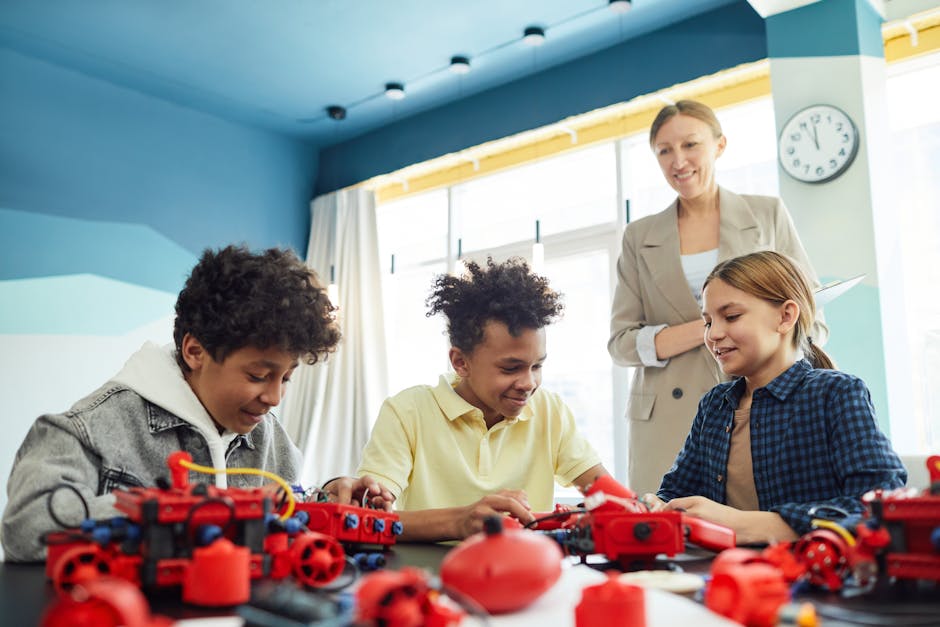
Playing with toys can spark curiosity and creativity in children. Consider a simple set of building blocks. It challenges kids to think spatially and logically as they construct different shapes and structures.
Moreover, toys like puzzles and board games enhance problem-solving skills. Children learn to strategize and make decisions, which are vital cognitive abilities. Aren’t these the skills we all wish we had mastered early on?
Interactive toys, such as electronic learning devices, can also provide educational content in an engaging way. They introduce concepts like numbers, letters, and colors, laying a foundation for academic learning.
Emotional And Social Growth
Playtime is more than just fun; it’s a window into a child’s emotional world. When children role-play with dolls or action figures, they express feelings and navigate scenarios, which can help them understand and manage emotions.
Toys also serve as a medium for social interaction. When kids play together, whether it’s sharing toys or collaborating in a game, they learn essential social skills like cooperation, empathy, and communication.
Have you noticed how a simple game of tag can teach kids about taking turns and following rules? These interactions are crucial for developing a sense of community and belonging.
Ultimately, toys and play are not just about keeping children occupied. They are about fostering a holistic development that prepares kids for life’s complexities. What role do you think toys played in shaping who you are today?
Future Of Toy Innovation
The future of toy innovation explores the origins of toys, tracing back to ancient civilizations. Various cultures have contributed to the diverse range of toys we see today. As technology evolves, toy creators continue to blend tradition with modern advancements, shaping the future of play for generations.
The world of toy innovation is rapidly evolving, driven by technological advancements and changing consumer expectations. As we step into the future, toys are no longer just about play—they’re about learning, interaction, and connection. The future of toy innovation promises exciting possibilities, but it also presents unique challenges and opportunities.Trends In Interactive And Digital Toys
Interactive and digital toys are transforming playtime into an immersive experience. These toys engage children in ways that were unimaginable just a decade ago. Think of toys that use AI to learn from a child’s behavior, adapting to provide new challenges and learning experiences. Augmented reality (AR) and virtual reality (VR) are making their way into toy chests. Imagine a board game that springs to life through your tablet, turning your living room into a vibrant game world. The integration of technology in toys is making play more dynamic and personalized. Kids today are digital natives, growing up with technology at their fingertips. This familiarity creates a demand for toys that are not just interactive but also educational. Parents look for toys that encourage learning while keeping their children engaged.Challenges And Opportunities Ahead
The rise of digital toys brings its own set of challenges. Privacy concerns are at the forefront, as toys that connect to the internet can potentially expose data. Manufacturers must ensure robust security measures to protect children’s information. On the flip side, digital toys present a huge opportunity for personalized learning. By tracking a child’s progress, these toys can tailor educational content to suit individual needs. This customization can transform how children learn and develop. Sustainability is another challenge facing toy innovation. With increasing awareness about environmental issues, there’s a push for toys made from sustainable materials. This shift is not only necessary but also an opportunity for companies to lead in eco-friendly practices. As you look forward to the future of toys, consider how these innovations will impact the next generation. What kind of world do we want to create for our children through the toys they play with? The answers lie in balancing technology with safety, learning with fun, and innovation with sustainability.
Credit: www.youtube.com
Frequently Asked Questions
Who First Invented Toys?
The origin of toys dates back to ancient civilizations. The earliest known toys were found in Africa and Europe, made from natural materials. These toys included dolls, small figurines, and miniature tools. While specific inventors are unknown, toys have been a part of human culture for thousands of years.
What Were The First Toys Made Of?
The first toys were crafted from natural materials like wood, stone, and clay. Ancient civilizations used these materials to create dolls, animal figures, and small tools. These early toys were simple yet played a crucial role in child development and entertainment.
Why Were Toys Invented?
Toys were invented to entertain and educate children. They help in developing motor skills, imagination, and social interaction. Toys also reflect cultural and societal values, providing insight into the history and evolution of play.
How Have Toys Evolved Over Time?
Toys have evolved from simple handmade objects to complex, technologically advanced gadgets. Initially made from natural materials, toys now include plastics and electronics. This evolution reflects changes in manufacturing and cultural trends, enhancing play experiences for children worldwide.
Conclusion
The journey of toy invention fascinates many. From simple playthings to complex gadgets, toys evolved significantly. Creativity and innovation shaped the toys we love today. Every toy has a story and legacy. They bring joy, teach, and entertain across generations.
Inventors constantly push boundaries, making toys more engaging. Childhood memories often revolve around favorite toys. These cherished items are part of growing up. Understanding their origins enriches our appreciation. Toys will continue to evolve and surprise us. The magic of toys lies in their ability to spark imagination.
They are timeless companions in the adventure of life.