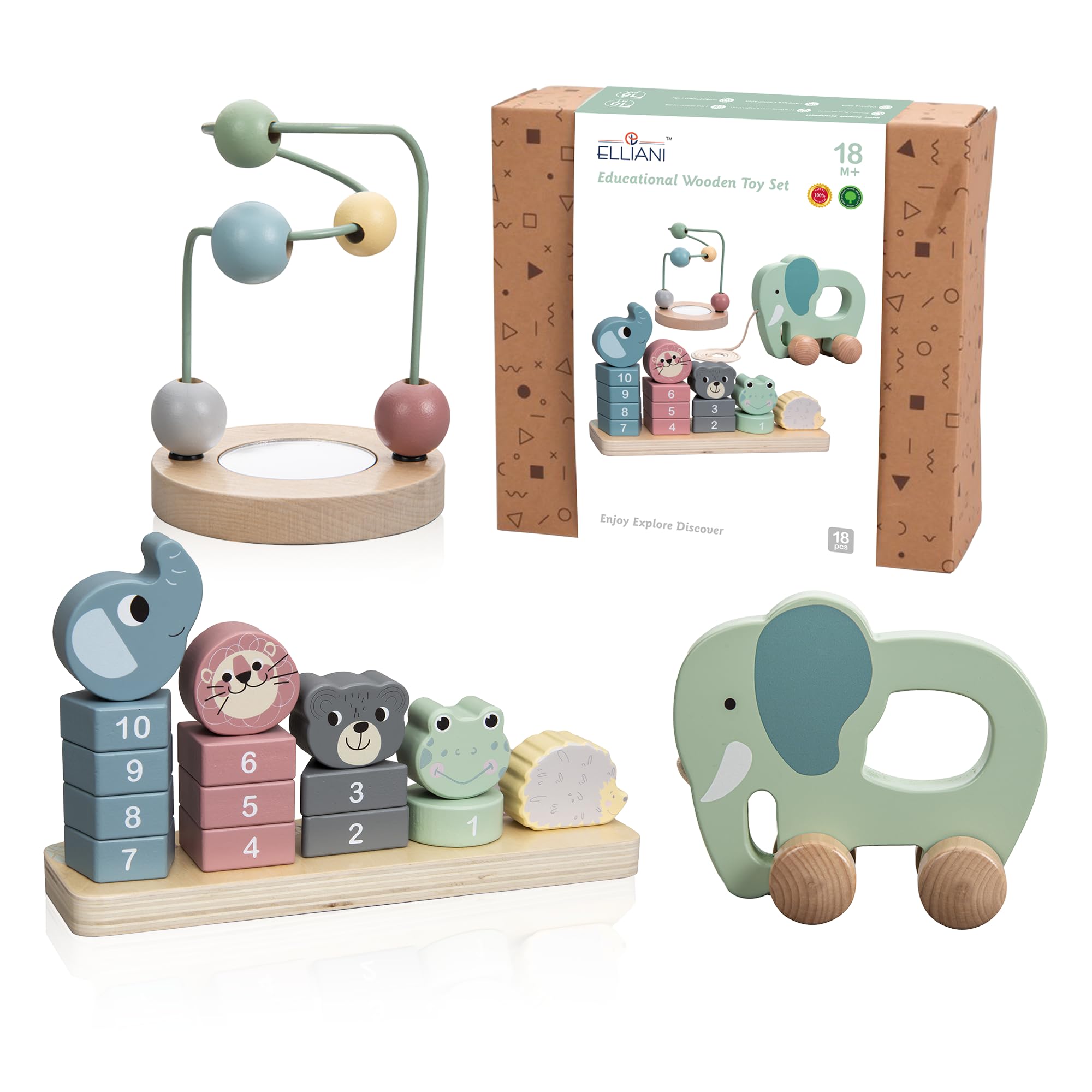
What is Montessori Toys: Unlocking Child Creativity
Have you ever wondered why some toys seem to hold your child’s attention longer than others? Or why certain playthings help them learn and grow in ways you hadn’t imagined?
The secret might just lie in Montessori toys. These specially designed toys are more than just fun and games. They are tools that foster independence, creativity, and critical thinking in children. By using simple, natural materials and focusing on self-directed play, Montessori toys can transform the way your child learns and interacts with the world.
Curious to find out how these toys work their magic? Read on to discover what makes Montessori toys a must-have for nurturing your child’s development.
Montessori Toys Basics
Montessori toys focus on fostering independence and creativity in children. These toys encourage hands-on learning through exploration and play. Designed to be simple yet engaging, they promote cognitive and sensory development.
Understanding the basics of Montessori toys can open up a new world of learning and development for your child. These toys are designed to stimulate a child’s natural curiosity and promote self-directed learning. But what exactly makes a toy “Montessori”? Let’s dive into the core principles and features that define these educational tools.What Are Montessori Toys?
Montessori toys are not your typical flashy, battery-operated gadgets. They are simple, often made from natural materials like wood, and focus on encouraging real-life skills. These toys are designed to be hands-on and sensory-based, allowing children to engage directly with their environment.Key Characteristics Of Montessori Toys
Montessori toys are rooted in real-world experiences. They often mimic everyday objects, like a miniature kitchen set or gardening tools, promoting practical life skills. The emphasis is on touch, feel, and interaction, which helps children understand the world around them.How Do Montessori Toys Support Learning?
These toys encourage independent play, allowing children to explore at their own pace. This fosters decision-making skills and boosts confidence. By engaging with Montessori toys, children learn through trial and error, which is a crucial aspect of cognitive development.Choosing The Right Montessori Toys For Your Child
When selecting toys, consider your child’s interests and developmental stage. A simple stacking toy can teach balance and coordination, while puzzles can enhance problem-solving skills. Always look for toys that challenge but do not frustrate your child.Personal Experience With Montessori Toys
I remember giving my niece a set of wooden blocks. Initially, she just stacked them, but soon she began creating intricate structures. Watching her imagination and skills blossom was a testament to the power of Montessori toys. Have you noticed a similar transformation with your child? Montessori toys offer a unique approach to learning that respects a child’s natural development. By choosing these toys, you provide an enriching environment that fosters growth, curiosity, and independence. What Montessori toy will you introduce to your child today?
Credit: www.tinylandus.com
Principles Of Montessori Education
Montessori toys encourage learning through play, supporting a child’s natural curiosity. They are designed to be simple, engaging, and educational, fostering independence and creativity. These toys help develop essential skills like problem-solving and coordination, aligning with Montessori education principles.
The principles of Montessori education are revolutionary in their approach to childhood learning, aiming to cultivate a natural and holistic environment for children’s development. They focus on nurturing independence, curiosity, and a love for learning, crafting an educational experience that respects each child’s unique path and pace. This method encourages active engagement, allowing children to explore and learn through interaction with thoughtfully designed materials and experiences.Child-centered Learning
At the heart of Montessori education is the belief that children are naturally eager to learn when given the opportunity to explore. This approach prioritizes the child’s interests and needs, creating a tailored educational journey. Imagine a classroom where your child chooses activities that captivate their curiosity, sparking a genuine love for learning. How might this impact their motivation and confidence?Hands-on Exploration
Montessori toys are designed to be tactile, encouraging children to use their senses to understand the world around them. These toys often incorporate natural materials like wood and fabric, which offer a more sensory-rich experience compared to plastic alternatives. Consider the difference in engagement when your child builds a tower with wooden blocks versus plastic ones. Which do you think might provide more satisfaction and learning?Freedom Within Limits
While Montessori education offers freedom, it also emphasizes structure and boundaries. This delicate balance ensures that children learn to make choices while understanding the consequences of those choices. Envision a space where your child learns to clean up after playtime because it’s part of the routine, not because they’re told to do so. How might this instill responsibility and independence in your child?Characteristics Of Montessori Toys
Montessori toys are unique in their design and purpose. They are crafted to support a child’s natural development. These toys encourage exploration, creativity, and independence. Understanding their characteristics helps in choosing the right toys for your child.
Natural Materials
Montessori toys often use natural materials. Wood, cotton, and metal are common choices. These materials are safe and eco-friendly. They provide a sensory-rich experience. Children can feel different textures and weights. This enhances their learning and curiosity.
Purposeful Design
These toys have a thoughtful design. Each toy has a specific purpose. They are created to teach a skill or concept. Montessori toys often focus on real-life applications. This makes learning practical and relatable. Simple designs avoid distractions. They help children focus on the task.
Focus On Sensory Development
Sensory development is crucial for young minds. Montessori toys stimulate the senses. They engage sight, touch, and sound. This boosts cognitive growth. Toys may include colors, shapes, and sounds. These elements encourage exploration and discovery. Sensory play lays the foundation for complex learning. Children learn to process information from their environment.

Credit: erenjoy.com
Benefits Of Montessori Toys
Montessori toys help children learn by encouraging creativity and independent play. They focus on real-world skills and sensory development. Simple designs and natural materials make them appealing and educational.
The benefits of Montessori toys are vast and impactful, offering your child a unique developmental experience that traditional toys might not provide. Designed to be simple yet purposeful, these toys focus on fostering essential skills in young minds. As parents, you might be surprised at how these toys can transform your child’s playtime into a valuable learning journey. Let’s dive into how Montessori toys can encourage independence, enhance creativity, and develop problem-solving skills in your little one.Encouraging Independence
Montessori toys are crafted to empower children to play independently. By offering minimal instructions and open-ended play, these toys allow your child to explore and learn at their own pace. Imagine your toddler figuring out how to stack blocks without constant guidance. This autonomy builds confidence, teaching them that they can rely on their abilities. How often do you see children lost in their play, oblivious to the world around them? Montessori toys foster this concentration. The freedom to make choices during playtime instills a sense of ownership and responsibility, preparing them for real-world situations.Enhancing Creativity
Creativity blossoms when children are given the tools to express themselves. Montessori toys, with their simple designs, encourage imaginative play. A set of wooden blocks, for instance, can transform into a castle, a train, or even a spaceship. These toys provide a blank canvas for your child’s imagination. Without the distraction of flashing lights or loud noises, children are free to invent stories and scenarios. Have you ever watched a child turn a simple toy into an elaborate tale? That’s creativity at work, and Montessori toys make it possible.Developing Problem-solving Skills
Montessori toys are excellent at nurturing problem-solving skills. They often require your child to think critically, whether it’s fitting pieces together or balancing structures. By tackling these challenges, children learn persistence and adaptability. Consider a puzzle designed without a picture guide. Your child must determine how pieces fit together using spatial awareness and logical thinking. This trial-and-error approach teaches them that mistakes are part of learning—a lesson beneficial throughout life. Your child’s ability to solve problems independently is crucial. Montessori toys make problem-solving an engaging and rewarding part of play, setting the foundation for skills that will serve them well in school and beyond. Through these benefits, Montessori toys offer more than just fun—they provide valuable life skills. Are you ready to see your child’s potential unfold with these incredible learning tools?Popular Montessori Toys
Montessori toys are designed to foster learning through play. These toys encourage creativity, independence, and problem-solving skills. They are simple and made with natural materials. This aligns with the Montessori method’s emphasis on hands-on learning. Let’s explore some popular Montessori toys that are favorites among children and parents alike.
Wooden Blocks
Wooden blocks are timeless Montessori toys. They come in various shapes and sizes. Children stack, build, and create with them. This enhances their spatial awareness and fine motor skills. Wooden blocks are durable and safe for little hands. They inspire imaginative play and exploration.
Sorting And Stacking Toys
Sorting and stacking toys teach children about colors and shapes. These toys help develop coordination and concentration. Kids learn to organize objects by different criteria. This boosts their logical thinking and problem-solving abilities. Many sorting toys use rings, cubes, or pegs.
Musical Instruments
Musical instruments are integral to Montessori education. They introduce rhythm and sound. Instruments like xylophones and tambourines are popular choices. Playing music enhances auditory skills and creativity. Children express themselves through sound and movement. Music also fosters a sense of harmony and teamwork.

Credit: www.amazon.com
Choosing The Right Montessori Toy
Montessori toys are designed to encourage self-directed learning and exploration. These toys focus on developing skills like problem-solving, creativity, and independence through hands-on play. Selecting the right Montessori toy involves considering the child’s interests and developmental stage.
Choosing the right Montessori toy can greatly influence your child’s development. These toys are designed to nurture learning through play. Selecting the right one requires attention to several key factors. Let’s explore these elements to make an informed decision for your child.Age Appropriateness
Montessori toys should match your child’s developmental stage. Younger children need simple, sensory-based toys. Older children benefit from more complex toys that challenge their thinking. Check the recommended age range before purchasing.Educational Value
Montessori toys should encourage learning and exploration. Look for toys that promote skills like problem-solving and fine motor skills. Toys that inspire creativity and imagination are also valuable. Choose toys that align with your child’s interests and needs.Safety Considerations
Safety is crucial when selecting toys for children. Ensure the toy is made from non-toxic materials. Avoid toys with small parts for young children to prevent choking hazards. Inspect the toy for any sharp edges or loose parts. Always prioritize your child’s safety when choosing a toy.Integrating Montessori Toys At Home
Montessori toys encourage learning through play, focusing on hands-on activities and natural materials. These toys foster creativity, independence, and problem-solving skills in children. Integrating them at home can create an enriching and stimulating environment for young minds.
Integrating Montessori Toys at home can be a delightful journey for both you and your child. These toys are designed to foster learning through play, and their integration into your home can create an enriching environment for exploration and growth. By making thoughtful choices, you can transform everyday spaces into areas filled with creativity and discovery.Creating A Montessori Space
Designating a specific area in your home for Montessori activities can greatly enhance the play experience. Consider using low shelves and accessible bins to keep toys within your child’s reach. This accessibility encourages independence and allows your child to choose their activities, promoting decision-making from a young age. Natural light and a calm atmosphere can make the space inviting. Including a small table and chairs can provide a comfortable area for your child to engage with puzzles, blocks, or art supplies. Remember, simplicity and order are key, allowing the child to focus on the task at hand without unnecessary distractions.Encouraging Play And Exploration
Montessori toys are designed to promote hands-on learning, so encourage your child to explore at their own pace. Rotate toys regularly to maintain interest and introduce new challenges. This simple strategy keeps playtime fresh and stimulating without overwhelming your child with too many options at once. Observe your child’s interests and provide toys that align with their current curiosities. If they show an interest in building, offer a variety of blocks or construction sets. By tuning into what captivates them, you’re fostering a love for learning and exploration that extends beyond playtime.Balancing Structure And Freedom
Balancing structure and freedom is crucial in a Montessori-inspired home. Establish routines that provide a sense of security and predictability for your child. For instance, setting specific times for play, meals, and rest helps create a balanced daily rhythm. At the same time, allow room for spontaneity and choice. Encourage your child to follow their interests and explore new activities. This balance between structure and freedom nurtures creativity, independence, and a love for learning. Integrating Montessori toys at home is not just about the toys themselves; it’s about creating a nurturing environment that supports your child’s natural desire to learn and explore. How can you adapt these ideas to fit your own home and lifestyle?Frequently Asked Questions
What Are Montessori Toys?
Montessori toys are designed to promote learning through play. They focus on sensory experiences and hands-on activities, encouraging children to explore and learn independently. These toys are usually made from natural materials and aim to develop fine motor skills, problem-solving abilities, and creativity.
Why Use Montessori Toys For Children?
Montessori toys foster independence and self-directed learning. They encourage children to explore and discover at their own pace. These toys help develop critical thinking, creativity, and fine motor skills. By engaging in hands-on activities, children build confidence and enhance cognitive development.
How Do Montessori Toys Benefit Development?
Montessori toys promote cognitive, physical, and emotional growth. They encourage children to explore and learn independently. These toys help build fine motor skills, problem-solving abilities, and creativity. By engaging in sensory experiences, children enhance their understanding of the world around them.
Are Montessori Toys Safe For Toddlers?
Yes, Montessori toys are safe for toddlers. They are designed with child-friendly materials and promote safe play. These toys focus on simplicity and are free of small parts that pose choking hazards. They encourage toddlers to explore and learn in a secure environment.
Conclusion
Montessori toys nurture a child’s natural curiosity. These toys inspire exploration and creativity. Simple designs make them easy to use. Children learn at their own pace. They develop essential skills and confidence. Montessori toys promote independence and decision-making. Parents appreciate their educational benefits.
These toys offer a balanced approach to learning. They focus on real-world activities and experiences. Montessori toys are a valuable addition to any child’s playtime. They support growth and development in a natural way. Choosing Montessori toys can enhance a child’s learning journey.
Consider these toys for a thoughtful play environment.