How Many Toys R Us are Left: Uncover the Surprising Truth
Remember the magic of walking into a Toys R Us store, eyes wide with wonder at endless aisles filled with toys? Maybe you’re curious if that nostalgic experience is still possible today.
You’re not alone. Many people are eager to know how many Toys R Us stores are left and if they can still find a piece of their childhood. This curiosity stems from a deep emotional connection, a yearning to relive those joyful moments or perhaps share them with the next generation.
Understanding the current status of Toys R Us can help you plan your own nostalgic trip or simply satisfy your curiosity. Keep reading to discover the current landscape of these iconic toy stores and what it means for you and your family.
Rise And Fall Of Toys R Us
Toys R Us once dominated the toy industry but faced a steep decline. Today, only a few locations remain worldwide, marking the end of an era for the beloved toy retailer.
The story of Toys R Us is a fascinating tale of a beloved brand that once stood as a giant in the toy industry. From its humble beginnings as a children’s furniture store to becoming a household name across the globe, Toys R Us captured the hearts and imaginations of millions. However, despite its powerful brand recognition, the company couldn’t withstand the changing tides of the retail landscape, leading to its dramatic fall.Origins And Expansion
Toys R Us began in 1948, founded by Charles Lazarus. Initially, it was a baby furniture store, but Lazarus quickly saw the potential in selling toys. By the 1980s, Toys R Us had expanded globally, becoming the go-to destination for toys and games.The Golden Age
During the 1990s, Toys R Us was at the peak of its success. It was synonymous with childhood joy, offering a wide array of toys for every interest. Many of us fondly remember walking through the aisles, dreaming of which toy we’d take home.Challenges And Competition
The rise of big-box retailers like Walmart and Target posed significant challenges for Toys R Us. These competitors offered lower prices and a broader range of products, enticing customers to shop elsewhere. The arrival of e-commerce giants like Amazon further eroded the market share.Struggles With Debt
One of the critical issues that plagued Toys R Us was its debt. The company took on substantial amounts of debt during a leveraged buyout in 2005. This financial burden stifled its ability to innovate and invest in its stores, leading to a gradual decline.Efforts To Revive
Toys R Us made several attempts to revitalize its brand. This included revamping stores, enhancing online presence, and introducing new experiences for customers. However, these efforts were too late and insufficient to counteract its mounting challenges.Closure And Legacy
In 2018, Toys R Us announced the closure of its US stores, marking the end of an era. While the brand has seen a few attempts at revival, it remains a shadow of its former self. The legacy of Toys R Us, however, still lingers in the memories of those who grew up with it. The story of Toys R Us prompts reflection on how businesses must adapt to survive. What lessons can modern retailers learn from its rise and fall?
Credit: www.mirror.co.uk
The Brand’s Global Footprint
The Brand’s Global Footprint Toys R Us still operates in over 900 locations worldwide. Its presence spans across 25 countries, showcasing resilience and adapting to changing markets.
The Brand’s Global Footprint Toys “R” Us, a name synonymous with childhood nostalgia, still holds a significant place in the global toy market, despite facing challenges. The brand’s journey from being a retail giant to a more selective presence is intriguing. Understanding its current global footprint offers insights into its resilience and adaptability.International Presence
Toys “R” Us has strategically chosen its locations around the world, maintaining a presence in key markets. Countries in Asia, particularly Japan and China, continue to host several stores. These regions often showcase the brand’s ability to blend traditional retail experiences with digital innovations. In Europe, the brand has not entirely vanished. Certain countries, like Germany and Spain, still enjoy the iconic toy stores, albeit with fewer locations than in its heyday. This selective presence often caters to specific consumer demands and preferences.Regional Variations
Different regions have embraced Toys “R” Us in unique ways, adapting the stores to local cultures and shopping habits. In the Middle East, for instance, the brand has seen success by aligning with regional festivities and traditions, offering tailored products and experiences. Meanwhile, in North America, the brand has taken a more experimental approach. Smaller, boutique-style stores have emerged, focusing on interactive play areas and exclusive toy lines. This shift reflects an understanding of the evolving retail landscape, where experience often trumps sheer product variety. Have you ever wondered how a global brand adapts to diverse markets? It’s fascinating to see how Toys “R” Us has redefined its presence, maintaining its charm while evolving with the times. This adaptability raises a compelling question: can other traditional retailers learn from this strategic evolution?Factors Leading To Store Closures
Toys R Us, once a beloved haven for children’s toys and games, has seen significant changes in recent years. Many stores have shut down, leaving people wondering how this iconic brand dwindled to its current state. Understanding the factors that led to these closures provides insight into the evolving landscape of retail and consumer preferences.
Economic Challenges
One major factor contributing to the closures of Toys R Us stores was economic challenges. The company faced mounting debts and financial obligations that became increasingly difficult to manage. As costs soared, profits plummeted, making it nearly impossible for the brand to stay afloat in a competitive market.
Reflect on your own experience—have you ever had to make tough financial decisions when faced with unexpected expenses? This was a similar predicament for Toys R Us, as they struggled to balance their books while maintaining inventory and staff.
Competition From E-commerce
The rise of e-commerce giants like Amazon dramatically shifted the retail landscape. Consumers flocked online for convenience, variety, and often lower prices. Toys R Us was slow to adapt to the digital age, resulting in a significant loss of market share.
Consider your own shopping habits—how often do you choose to shop online instead of visiting a physical store? This trend left Toys R Us grappling to meet changing consumer expectations and compete with online retailers.
Shifts In Consumer Behavior
Consumer behavior has evolved, with preferences leaning towards experiences rather than just products. Parents and children are looking for interactive and engaging experiences, not just items on a shelf. Toys R Us struggled to innovate and provide such experiences in-store.
Think about the last time you chose an experience over a product. How did that choice impact your satisfaction and spending habits? This shift in focus has forced retailers like Toys R Us to rethink their strategies, or face the consequences of closures.
Understanding these factors can help you anticipate future shifts in retail dynamics. Can traditional stores adapt to modern demands, or will more fall by the wayside like Toys R Us? The answer depends on their ability to innovate and meet consumer needs head-on.
Current Store Count
Toys R Us once ruled the toy world. Now, its presence is a shadow of its former self. Many wonder how many stores remain. This section explores the current count.
Existing Locations
The iconic toy retailer still operates several stores worldwide. These locations continue to offer a range of toys and games. In the United States, a few stores still serve customers. Globally, Toys R Us maintains a presence in Canada, Australia, and parts of Europe. Each location seeks to capture the magic and nostalgia of the brand.
New Store Openings
Toys R Us is not entirely stagnant. The company plans to open new stores. These openings focus on smaller, more interactive spaces. They aim to attract new generations of toy lovers. Recent openings hint at a fresh approach to retail. The brand is striving to rebuild its legacy. Keep an eye out for new store announcements. They might pop up in unexpected places.
Revival Strategies
Toys R Us has a few remaining stores in the United States. These stores are part of a revival strategy to bring back the beloved brand. Their focus is on creating engaging shopping experiences for families.
Toys R Us, once a beloved name in toy retail, is making efforts to regain its place in the industry. Despite store closures, the brand is exploring new strategies to revive itself. These strategies focus on forming partnerships, embracing digital change, and enhancing customer experience. Each approach is designed to rebuild the brand’s presence and connect with today’s consumers.Partnerships And Collaborations
Toys R Us is teaming up with popular brands to attract customers. Collaborations with toy manufacturers bring exclusive products to stores. These partnerships create exciting shopping experiences for families. By working with well-known names, Toys R Us aims to regain trust and loyalty. Joint promotions and events further strengthen these collaborations. This approach helps the brand stay relevant in a competitive market.Digital Transformation
Embracing digital technology is vital for Toys R Us’s revival. The brand is improving its online shopping experience with user-friendly features. A refreshed website offers easy navigation and product recommendations. Mobile apps allow customers to shop conveniently from their devices. Social media platforms engage audiences with interactive content and special offers. Toys R Us uses data-driven insights to understand customer preferences. This digital shift aims to attract tech-savvy shoppers while maintaining the brand’s playful spirit.Consumer Sentiments
Consumer sentiments towards Toys R Us have evolved significantly over recent years. As the landscape of retail changes, understanding how people feel about this iconic brand can provide insights into its future potential. Let’s dive into the various aspects of these sentiments.
Public Perception
The public perception of Toys R Us has been a mix of skepticism and hope. While some consumers are doubtful about its ability to compete in a digital-first world, others believe a revival is possible. The brand still holds a strong place in the hearts of many, which can be a powerful catalyst for its resurgence.
People often wonder if the magic of walking through aisles filled with toys can be replicated online. This question reflects a broader concern about the loss of tangible shopping experiences. It’s a challenge for Toys R Us to bridge the gap between digital convenience and nostalgic in-store experiences.
Nostalgia Factor
Nostalgia plays a significant role in consumer sentiments towards Toys R Us. For many, it’s not just a store; it’s a cherished part of their childhood. Memories of visiting the store with family or friends are powerful emotional anchors that can influence shopping decisions.
Consider how you felt walking into a Toys R Us store as a child. That sense of wonder and excitement is something digital platforms struggle to replicate. This emotional connection could be the key to reigniting interest in the brand.
Revisiting these memories can stir a longing for simpler times. It’s an opportunity for Toys R Us to tap into this nostalgia and offer something unique that resonates with both past and new generations.
Future Of Toys R Us
Amid changing market dynamics, Toys R Us maintains a limited presence with approximately 900 stores worldwide. Despite closures, the iconic brand continues to adapt, focusing on unique customer experiences and strategic partnerships to sustain its legacy in the toy industry.
The future of Toys R Us is a topic of great interest. The iconic toy retailer faced challenges but remains a beloved brand. Its revival efforts aim to capture the magic of childhood again.Potential Growth Areas
Toys R Us can explore digital transformation. An online presence can reach more customers. E-commerce platforms attract tech-savvy shoppers. Interactive websites enhance user experiences. They can offer virtual tours and exclusive online deals. Another growth area is experiential retail. Physical stores can become play zones. Kids can try new toys before purchase. This creates memorable visits for families. Partnerships with toy manufacturers can boost exclusivity.Challenges Ahead
One challenge is fierce competition. Big retailers dominate the toy market. They offer competitive prices and deals. Toys R Us must find a niche. Adapting to changing consumer preferences is vital. Kids today prefer tech gadgets and games. The retailer must stay relevant in this digital age. Building strong brand loyalty is essential for survival.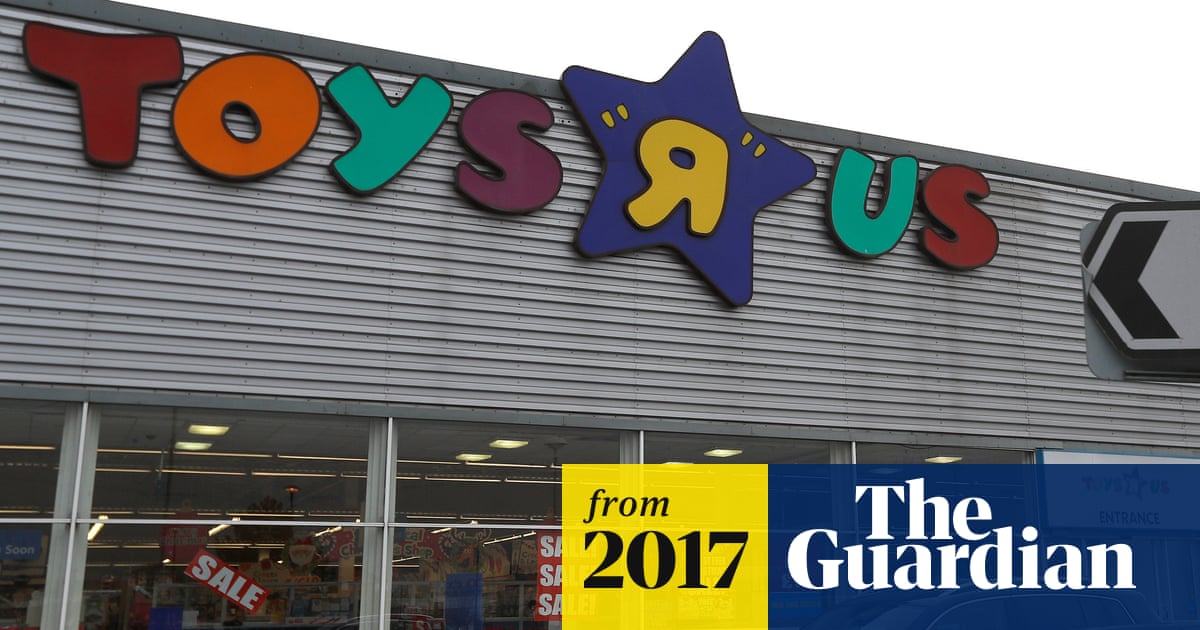
Credit: www.theguardian.com

Credit: www.tiktok.com
Frequently Asked Questions
How Many Toys R Us Stores Are Open?
Currently, Toys R Us operates a limited number of stores globally. Most locations were closed after bankruptcy. They have reopened some stores in select areas, including pop-up shops. Check local listings or their official website for updates on specific store locations near you.
Where Can I Find Toys R Us Locations?
Toys R Us locations can be found through their official website. They provide a store locator tool for easy access. Additionally, some larger retail chains host Toys R Us pop-up shops. It’s best to verify with local retailers for any nearby store presence.
Are Toys R Us Stores Reopening In The Us?
Yes, Toys R Us is slowly reopening in the US. They’ve partnered with Macy’s to open in-store shops. These locations offer a curated selection of toys. Check Macy’s website for specific stores hosting Toys R Us sections.
What Happened To Toys R Us In 2023?
In 2023, Toys R Us continued to expand through strategic partnerships. They focused on smaller, experiential stores and online sales. New openings are often part of larger retail chains. Their goal is to adapt and reach more customers with a fresh approach.
Conclusion
Toys R Us has changed over the years. Many stores closed. But some locations still exist. They offer toys and childhood memories. People still visit these stores. They hope for a revival. Online presence helps too. It connects with fans worldwide.
Nostalgia drives interest. Toys R Us holds a special place in hearts. It reminds us of happy times. The brand’s future is uncertain. Yet, hope remains. Toys R Us continues to adapt. It strives to stay relevant. Changes may happen soon.
Keep an eye out. The legacy lives on.