How Do You Make Toys: Unleash Creativity & Fun
Have you ever wondered how toys are made? The little figures, the stuffed animals, the intricate puzzles—all these delightful creations once started as mere ideas.
Imagine having the power to create something that brings joy to children and adults alike. The process is not just about assembling parts; it’s an art that combines creativity with precision. In this guide, you’ll discover the steps to bring your toy ideas to life.
Whether you’re an aspiring toy maker or simply curious, you’ll find insights that could spark your next creative project. Get ready to dive into the enchanting world of toy making, where imagination meets craftsmanship, and learn how you can create your own magic.
Toy Design Basics
Crafting toys begins with understanding children’s interests and safety. Design involves sketching ideas, choosing materials, and assembling parts. Testing ensures durability and enjoyment.
Toy design is an exciting journey that combines creativity, functionality, and a touch of magic. When you start designing a toy, you’re not just crafting an object; you’re creating a world of possibilities for a child. Understanding the basics of toy design can help you create toys that are not only fun but also safe and educational.Understanding Your Audience
Who will play with your toy? A toddler, a preschooler, or a preteen? Each age group has different needs and interests. For instance, toddlers love bright colors and simple shapes, while older kids might enjoy more complex toys that challenge their problem-solving skills.Choosing The Right Materials
The materials you choose play a significant role in the toy’s success. Plastic is durable and easy to clean, but wood offers a classic feel that many parents appreciate. Have you considered using eco-friendly materials? They can set your toy apart in a market that’s growing increasingly conscious of sustainability.Ensuring Safety And Durability
Safety is paramount in toy design. Ensure that all parts are securely attached and that there are no sharp edges. Have you tested your toy to withstand rough play? Durability is crucial because kids can be tough on their toys.Designing For Educational Value
Toys aren’t just for fun—they can be great educational tools. Think about how your toy can help develop a child’s skills, whether it’s motor skills, language, or problem-solving. A puzzle, for example, can enhance spatial reasoning, while a musical toy might improve auditory skills. Once you have a design, create a prototype to test your ideas. This is where the magic happens. You might find that what looked great on paper doesn’t work in reality. Gather feedback from real users and be ready to make changes.Creating A Unique Design
What makes your toy different from others on the market? A unique design or an innovative feature can make your toy stand out. Reflect on personal experiences or interests. Maybe your childhood love for dinosaurs inspires a new line of prehistoric playsets.Iterating And Improving
Toy design is an iterative process. After testing, refine your design based on feedback. It’s normal to go through several versions before getting it right. Each iteration brings you closer to the perfect toy that kids will love.
Credit: www.momsandcrafters.com
Materials And Tools
Creating toys requires basic materials like wood, fabric, and plastic. Essential tools include scissors, glue, and paintbrushes. Simple designs come to life using these items, sparking creativity and fun.
In the world of toy making, materials and tools are essential. The right choices lead to safe, fun, and durable toys. Crafting toys requires a balance of creativity and practicality. Selecting the right materials and tools ensures the toys are both safe and engaging.Choosing The Right Materials
Selecting materials is crucial for toy safety and function. Wood is popular for its durability and natural feel. It’s ideal for blocks, puzzles, and pull toys. Ensure it’s sanded smooth to avoid splinters. Plastic offers versatility and vibrant colors. It’s used in action figures and building sets. Choose BPA-free plastic for safety. Cotton fabric works well for soft toys. It’s washable and safe for children. Metal can add strength to certain toy parts. Use it for axles or small components. Ensure it’s rust-resistant and smooth-edged. For eco-friendly options, consider recycled materials. They’re sustainable and teach kids about the environment.Essential Tools For Toy Making
Having the right tools makes toy making efficient and fun. A saw is essential for cutting wood. Choose a small hand saw for precision. Sandpaper smooths edges and surfaces. It’s vital for wooden toys. A drill helps create holes for axles or string. Use a small one for delicate tasks. A sewing machine is crucial for making plush toys. It speeds up the process and ensures strong seams. Glue is needed for assembling parts. Choose non-toxic glue for safety. Paints and brushes add color and detail. Opt for water-based, non-toxic paints. Measuring tape ensures accurate dimensions. It’s key for consistency in your designs. With these tools, creating toys becomes an enjoyable craft.Safety Considerations
Prioritize using non-toxic materials to ensure toy safety. Small parts can pose choking hazards for young children. Regularly check for sharp edges or loose pieces to prevent injuries.
Safety considerations are crucial when making toys. As a toy maker, your responsibility is to create toys that not only entertain but also ensure the well-being of their users. Carefully selecting materials and designs can prevent accidents and promote a safe play environment.Non-toxic Materials
Using non-toxic materials is a fundamental step in toy safety. Children often explore toys with their mouths, especially toddlers, so it’s imperative to use materials that are free from harmful chemicals. Look for certifications that guarantee the materials are safe for children, such as ASTM or EN71 standards. Consider using natural materials like wood or organic cotton. These materials are less likely to contain harmful substances compared to some plastics and synthetic fabrics. For example, if you’re making plush toys, opting for organic cotton not only ensures safety but also appeals to environmentally conscious parents.Age-appropriate Design
Designing toys with age-appropriate features is essential for safety. Each age group has different abilities and safety needs, so tailor your designs accordingly. For babies and toddlers, avoid small parts that could pose a choking hazard. Opt for larger pieces that are easy to grasp and difficult to swallow. For older children, consider the complexity and functionality of the toy. Does it challenge their skills without causing frustration or risk? By understanding the developmental stages of your target age group, you can craft toys that are both safe and engaging. Have you ever noticed how some toys have labels that specify age ranges? These aren’t just for marketing—they’re crucial safety guidelines. Adhering to these can prevent accidents and ensure children have a rewarding play experience.Inspiration And Ideas
Creating toys begins with imagination and a design plan. Gather materials like wood, fabric, or plastic. Assemble pieces using glue or screws, adding details like paint or stickers. Test the toy for safety and fun.
Inspiration and ideas are the heart of toy creation. They breathe life into simple materials, transforming them into delightful playthings. Imagining new toys begins with observing the world around us. Everyday objects can spark creativity. Think of a cardboard box. With imagination, it becomes a spaceship or a castle. Nature also offers inspiration. Leaves, rocks, and branches can become parts of a toy. Observing children’s play reveals their interests and needs. Their preferences guide toy makers in creating engaging toys.Exploring Classic Toys
Classic toys hold a timeless appeal. They bring nostalgia and comfort. Wooden blocks encourage creativity and problem-solving. Dolls teach empathy and care. Board games foster social skills. These toys remain popular due to their simple designs. They adapt easily to new trends. Their versatility offers endless possibilities. Makers often study classic toys to understand their enduring success.Modern Trends In Toy Design
Toy design evolves with technology. Interactive toys are popular now. They use lights, sounds, and movement to engage. STEM toys teach science, technology, engineering, and math concepts. Sustainability is another trend. Eco-friendly toys use recycled materials. Educational toys blend fun with learning. They teach skills while entertaining. Makers explore these trends to create innovative toys.Prototyping And Testing
Creating toys involves designing prototypes and testing them for safety and durability. The process ensures toys are engaging and suitable for children. Prototyping helps refine the toy’s design before mass production.
Creating toys is a fascinating journey that mixes creativity with practicality. The prototyping and testing phase is crucial in transforming ideas into tangible, safe, and enjoyable products. This stage can determine the success of a toy, ensuring it not only captivates young minds but also withstands their playful vigor. Let’s dive into the world of prototyping and testing, where imagination meets reality.Creating Prototypes
Creating prototypes is where your toy concept takes its first steps into the real world. A prototype is essentially a rough version of your toy, allowing you to visualize and refine your idea. You’ll want to start with simple materials like clay, cardboard, or 3D printing to shape your concept. Think about how the toy will function. Does it move, light up, or produce sound? Incorporate these elements into your prototype to see how well they work. Getting feedback is vital at this stage. Share your prototype with a small group of children or fellow designers. Watch how they interact with it. Their reactions can guide you in making necessary adjustments.Testing For Durability And Safety
Testing your toy’s durability and safety is non-negotiable. Children’s toys must endure rough play and meet strict safety standards. Begin with basic stress tests to check if the toy can withstand drops or pressure. This will help ensure it doesn’t break easily or pose any hazards. Consider the materials used. Are they non-toxic and free from sharp edges? Ensure all parts are securely attached to prevent choking hazards. Safety certifications may be required before your toy hits the market. Research relevant regulations and standards in your area to ensure compliance. Are there scenarios you hadn’t considered that could make your toy unsafe? Always question and test, as this will safeguard your product and reputation. By focusing on these aspects, you can create toys that not only spark joy but also offer peace of mind to parents.
Credit: www.youtube.com
Manufacturing Process
Creating toys involves designing, molding, assembling, and painting. Each step ensures toys are safe and fun for kids. Quality checks guarantee durability and safety standards.
The manufacturing process of toys is a fascinating journey from raw materials to the final product. It involves creativity, precision, and a deep understanding of the target audience. Whether you’re crafting toys on a small scale or mass-producing them for global markets, each step in the process requires careful planning and execution.Small-scale Production
Small-scale toy production often starts with a spark of creativity. Perhaps you have a unique idea or a special skill in handcrafting. The process usually begins with designing a prototype, which might be made from simple materials like clay, wood, or fabric. This prototype serves as a model to refine your design. Once the prototype is ready, you can use simple tools and equipment to produce a limited number of toys. This might include sewing machines for plush toys or basic carving tools for wooden toys. The charm of small-scale production lies in the personal touch and attention to detail. Quality control is crucial here. Every toy must meet safety standards, especially if they’re intended for children. You’ll need to ensure that all materials are non-toxic and that parts are securely attached. Have you considered testing your toys with a focus group to get valuable feedback?Mass Production Techniques
Mass production of toys requires a completely different approach. The process starts with a detailed design and prototype, which are then transformed into molds for large-scale manufacturing. Factories use advanced machinery to produce thousands of toys efficiently. Injection molding is a common technique for plastic toys, where molten plastic is injected into molds to form precise shapes. For plush toys, automated sewing machines can stitch patterns at high speed. The goal is to maintain consistency across thousands of units. Assembly lines are integral to mass production. Each stage, from assembling parts to painting and packaging, is streamlined to maximize efficiency. Quality control is an ongoing process, with inspections at various stages to ensure safety and durability. One challenge in mass production is maintaining creativity and uniqueness. How can you ensure your toys stand out among millions? Consider incorporating unique features or customizable options that appeal to your audience. In both small-scale and mass production, the manufacturing process is a blend of art and science. Your passion and attention to detail can turn a simple idea into a cherished toy for children around the world.Eco-friendly Toy Making
Craft toys using sustainable materials like wood and fabric. Prioritize non-toxic paints and dyes for safety. Incorporate recycled components to minimize waste and promote environmental friendliness.
Eco-friendly toy making is a growing trend that combines creativity with sustainability. As more people become conscious of environmental impacts, crafting toys using eco-friendly methods not only helps the planet but also encourages healthier play for children. Imagine creating toys that are not only fun but also teach your kids about the importance of caring for the environment. Let’s dive into some practical ways you can make this happen.Sustainable Materials
Choosing sustainable materials is a key step in eco-friendly toy making. You can start by using natural fibers such as cotton, wool, or bamboo. These materials are biodegradable and often safer for children to play with. Consider using wood from responsibly managed forests. This ensures that your toys contribute to the preservation of natural habitats. Wooden toys are durable, classic, and have a timeless appeal. Non-toxic paints and finishes are essential. They not only protect the toy but also ensure that your child’s health is safeguarded. Look for certifications on packaging that guarantee these eco-friendly attributes.Recycling And Upcycling
Recycling and upcycling are creative ways to turn old items into new treasures. Transforming packaging materials into toy elements can be a fun activity. Cardboard boxes, for example, can become castles or race cars with a little imagination. Old fabric scraps can be sewn into unique dolls or stuffed animals. This not only saves waste but also adds a personal touch to each creation. You can even involve your children in choosing fabrics and designing their toys. Collecting and reusing plastic bottles and containers can lead to innovative toy designs. These materials are easy to cut and shape into various forms, providing endless possibilities for creative play. Have you ever thought about the environmental impact of the toys your children play with? Making toys from sustainable and recycled materials not only offers a great opportunity for creative expression but also instills important values in the next generation.Marketing And Distribution
Creating toys involves designing, manufacturing, and distributing them to stores worldwide. Effective marketing strategies ensure these toys reach the right audience. Proper distribution channels help in delivering toys on time, boosting sales.
Marketing and distribution are pivotal in turning your toy creation from a mere prototype into a household name. Understanding the nuances of branding and finding your niche audience can make all the difference. With the right strategies, your toy can capture the hearts of children and parents alike, and find its place on store shelves globally.Branding Your Toy
Creating a memorable brand for your toy is like giving it a unique identity. Think about what makes your toy special. Is it the vibrant colors, the educational aspect, or the fun factor? Once you’ve pinpointed these elements, use them to craft a compelling story around your toy. Your brand should evoke emotions and tell a tale that resonates with your audience. Consistency in your branding is key. From the toy’s packaging to its online presence, ensure every touchpoint reflects your brand’s essence. This builds trust and recognition over time.Reaching The Right Audience
Identifying your audience is crucial. Are you targeting toddlers, school-age children, or perhaps a niche market like eco-conscious parents? Once you know who your audience is, tailor your marketing efforts to reach them effectively. Social media platforms like Instagram and TikTok can be powerful for engaging younger audiences and parents alike. Consider partnerships with influencers or bloggers who align with your brand values. Their endorsement can significantly expand your reach and credibility. Engage directly with your audience through feedback and interactive content. This not only helps in refining your product but also builds a community around your brand. What unique approach will you take to ensure your toy stands out in a crowded market?Diy Toy Projects
DIY Toy Projects offer a delightful way to unleash your creativity while crafting fun and engaging toys. With the right guidance, you can transform everyday materials into playful masterpieces. Whether you’re a beginner looking to dip your toes in the world of DIY or an enthusiast seeking a challenge, there’s a project waiting for you.
Simple Projects For Beginners
Starting your DIY journey with simple toy projects can be incredibly rewarding. Think about creating a sock puppet using old socks, buttons, and fabric scraps. It’s a quick project that brings joy and laughter.
Another idea is crafting a paper kite. Using lightweight paper, wooden sticks, and a bit of string, you can make a kite that dances in the wind. Imagine the thrill of seeing your creation soar high in the sky!
Don’t underestimate the fun of making a play dough from flour, salt, water, and food coloring. It offers endless possibilities for molding shapes and figures. Wouldn’t it be exciting to see what unique creations you can come up with?
Advanced Projects For Enthusiasts
If you’re ready to take on more challenging projects, consider building a wooden toy car. With some woodworking skills, you can create a sturdy and unique toy. It’s a project that requires precision and patience, but the result is worth it.
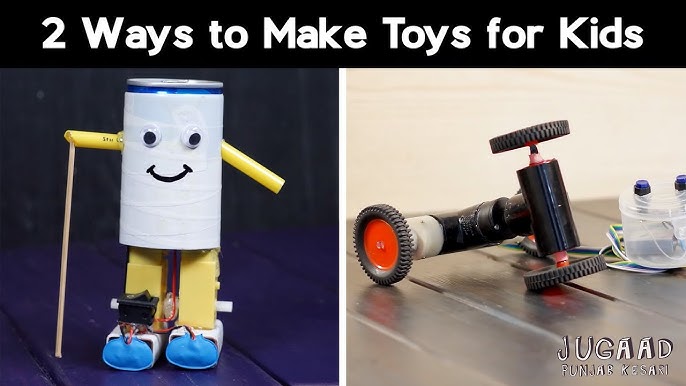
Another advanced idea is designing a mini robot using electronic components like motors and sensors. This project tests your technical skills and creativity. Imagine the sense of achievement as your robot comes to life and performs simple tasks!
For a blend of art and engineering, try constructing a marble run from cardboard tubes and hot glue. This intricate project allows you to design complex paths for marbles to travel. Can you create a maze that challenges and entertains?
DIY Toy Projects are not just about crafting toys; they’re about experiencing the joy of creation and sharing it with others. With each project, you learn, innovate, and bring a smile to someone’s face. What toy will you create today?

Credit: www.youtube.com
Frequently Asked Questions
What Materials Are Best For Toy Making?
The best materials for toy making include wood, plastic, and fabric. Wood is sturdy and eco-friendly, while plastic offers versatility. Fabric is ideal for soft, plush toys. Choose non-toxic, durable materials for safety and longevity. Consider the age group and purpose of the toy when selecting materials.
How Do You Design A Toy Prototype?
Start by sketching your toy idea on paper. Create a detailed blueprint with dimensions and features. Use modeling software to refine the design. Make a physical prototype using clay or 3D printing. Test the prototype for functionality and safety. Adjust the design based on feedback and testing results.
What Tools Are Needed For Toy Making?
Common tools for toy making include scissors, sewing machines, and 3D printers. You’ll also need paintbrushes and carving tools for detailed work. Hot glue guns are useful for assembly. Choose tools based on the toy materials and complexity of the design.
Ensure safety gear is available during the process.
How Do You Ensure Toys Are Safe?
Ensure toys are safe by using non-toxic materials. Follow industry safety standards and guidelines for design and manufacturing. Test toys for choking hazards and sharp edges. Conduct rigorous durability tests to prevent breakage. Regularly review and update safety measures based on feedback and regulations.
Conclusion
Crafting toys is a delightful journey. It involves creativity, patience, and skill. From design to production, each step matters. Choosing the right materials ensures safety and durability. Attention to detail brings toys to life. Experiment with colors and shapes for unique creations.
Learn from mistakes to improve your craft. Share your toys with loved ones for joy and smiles. Toy making can be a rewarding hobby or business. Explore different techniques and styles. Keep your imagination alive. Enjoy the process and spread happiness with your handmade toys.